
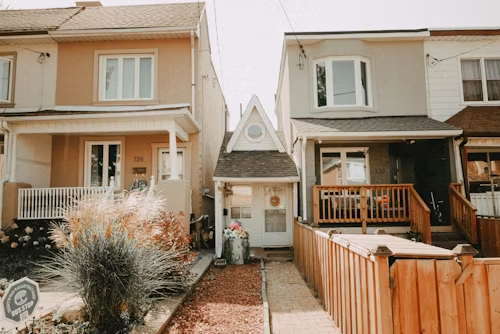
For many homeowners in the GTA, deciding where to begin a home renovation project can feel overwhelming. Should the focus be on modernizing living spaces inside the home, or improving the structure and curb appeal outside. This question is central to any successful Toronto home renovation, because budget allocation, building permits, resale value, and long term durability all depend on the order in which improvements are made. Understanding the benefits, costs, and regulatory requirements of both interior and exterior projects helps homeowners make strategic decisions that maximize comfort and property value.
The Value Equation Behind Interior vs Exterior Renovations
Every renovation decision in Toronto ultimately comes down to a balance between daily usability and long term protection of the property. Interior renovations typically focus on improving the spaces homeowners interact with the most. Kitchen remodels, bathroom upgrades, finished basements, and open concept living areas increase functionality while also enhancing the emotional appeal of the home. These projects often create immediate lifestyle improvements and are highly attractive to buyers when a property enters the market.
Exterior renovations serve a different but equally important role. They protect the structural integrity of the property and defend it against Toronto’s harsh climate conditions. Roof replacements, siding upgrades, improved insulation, and modern windows help maintain the building envelope and prevent costly issues such as water intrusion or heat loss. While interior upgrades improve daily living, exterior investments preserve the foundation of the home and ensure interior improvements remain protected for years to come.
Comparing Costs and ROI in Toronto: Detailed Breakdown
Below is a clear comparative list summarizing typical cost ranges and return expectations for common Toronto renovation categories. Exact numbers depend on materials, layout, age of the home, and city permit requirements.
Interior renovation investments
- Kitchen remodel: 35,000 to 95,000 with ROI often between 60 percent and 80 percent
- Bathroom remodel: 18,000 to 45,000 with ROI between 55 percent and 75 percent
- Basement finishing or legal secondary suite creation: 50,000 to 150,000 with potential ROI up to 85 percent depending on rental income
- HVAC upgrades: 7,000 to 25,000 with ROI linked to long term efficiency savings and improved home comfort
- Flooring replacements: 10,000 to 40,000 with ROI varying by material quality
Exterior renovation investments
- Roof replacement: 9,000 to 25,000 with ROI near 60 percent but crucial for long term durability
- Window replacement: 12,000 to 35,000 with ROI tied to energy savings and noise reduction
- Exterior siding or stucco: 25,000 to 70,000 with ROI around 65 percent
- Deck or patio construction: 12,000 to 45,000 with ROI near 55 percent depending on size and material
- Driveway resurfacing or replacement: 5,000 to 18,000 that improves perception of property care and overall curb appeal
Interior projects usually deliver more immediate emotional satisfaction. Exterior upgrades protect your investment and set the stage for future renovations. The best option depends on your goals, timeline, and structural condition of the home.
Permit Requirements and Toronto Bylaws Homeowners Must Know
Many renovation projects in Toronto require permits to ensure compliance with the Ontario Building Code and municipal safety regulations. Interior renovations that involve structural changes, plumbing relocation, electrical upgrades, or basement underpinning usually require official permits and inspections. For example, converting a basement into a legal secondary suite requires meeting strict rules regarding ceiling height, fire separation, emergency exits, and electrical capacity.
Exterior renovations can also trigger zoning reviews depending on the scale of the work. Decks above certain heights, additions, porch reconstructions, or façade alterations often require approval to ensure they respect setback rules and property line distances. Because zoning requirements vary by neighborhood, professional contractors typically review city guidelines before construction begins to avoid costly delays or stop work orders.
Weather, Material Durability, and Seasonal Planning
Toronto’s climate directly influences renovation planning. Cold winters, sudden spring thaws, high humidity in the summer, and freeze thaw cycles require durable materials and precise scheduling. The table below summarizes how interior and exterior projects interact with the city’s seasonal conditions.
| Renovation Factor | Interior Considerations | Exterior Considerations |
| Ideal Season | Year round with minimal seasonal restriction | Late spring to early fall for optimal curing and material stability |
| Material Durability | Flooring, drywall, insulation, cabinetry unaffected by weather during installation | Roofing, siding, decks, and masonry affected by temperature, precipitation, and humidity |
| Contractor Access | Fewer site restrictions, minimal need for exterior scaffolding | Requires safe outdoor access, weather resistant equipment, and temporary coverings |
| Impact on Occupants | Dust, noise, partial room shutdown | Larger disturbances with potential for limited yard access or temporary walkway closures |
| Risk Factors | Supply chain delays or unforeseen conditions inside walls | Weather related delays, material expansion contraction issues, and safety protocols during storms |
| Typical Toronto Challenges | Older wiring, plumbing surprises, asbestos in older homes | Ice buildup, soil movement, water drainage patterns, and wind exposure |
This seasonal framework helps homeowners understand why exterior work often benefits from early planning. Meanwhile, interior upgrades can proceed year round, which makes them ideal for winter projects.
Which Renovations Increase Toronto Property Value the Fastest
Interior renovations often generate the fastest impact on resale value because buyers focus heavily on kitchens, bathrooms, and overall layout. In many Toronto homes built decades ago, outdated floor plans limit natural light and movement between rooms. Renovations that create open living areas or modernize kitchens significantly improve market appeal and can influence a buyer’s willingness to pay a higher price.
Basement conversions also provide strong value potential, especially when transformed into legal secondary suites. These spaces offer rental income opportunities that are highly attractive in Toronto’s housing market. Exterior upgrades still contribute to property value, but they tend to reinforce buyer confidence rather than create immediate visual excitement unless the project dramatically improves curb appeal.
Site Preparation and Project Sequencing for Optimal Results
Proper sequencing is one of the most overlooked elements of a successful Toronto home renovation. Here is the professional approach Route Homes uses to ensure efficiency.
Interior Renovation Preparation
- Conduct pre renovation inspections for wiring, plumbing, HVAC capacity, moisture levels, and load bearing walls.
- Determine whether asbestos, lead based paint, or knob and tube wiring are present.
- Create detailed architectural drawings and secure permits before demolition.
- Protect floors, seal off work zones with plastic barriers, and plan temporary living accommodations if necessary.
- Sequence demolition, rough ins, inspections, insulation, drywall, flooring, cabinetry, and finishing.
Exterior Renovation Preparation
- Assess the age and condition of the roof, siding, foundation, grading, and drainage pathways.
- Verify zoning constraints for decks, additions, or porch reconstructions.
- Check for utility lines, tree protection requirements, and heritage building restrictions.
- Install scaffolding, temporary walkways, and protective coverings for landscaping.
- Coordinate the work around seasonal weather forecasts to prevent material damage or schedule delays.
Without proper preparation, homeowners can face cost overruns or extended timelines. This is why professional oversight is essential.
Energy Efficiency Considerations in Modern Toronto Homes
Energy efficiency has become a major factor in renovation planning as homeowners seek lower utility costs and improved indoor comfort. Interior improvements such as high efficiency furnaces, smart thermostats, and improved duct systems help regulate airflow and maintain consistent temperatures. These upgrades can significantly improve day to day comfort while reducing long term energy consumption.
Exterior improvements often deliver the greatest efficiency gains because they strengthen the building envelope. Upgraded insulation, energy efficient windows, and modern cladding systems reduce heat loss during winter and minimize cooling demands during summer. When interior and exterior improvements are combined strategically, homeowners achieve a more sustainable and cost effective living environment.
So Where Should Toronto Homeowners Invest First
Here is a practical decision framework to determine whether interior or exterior renovations should take priority.
Prioritize exterior renovations first when:
- The roof is leaking, damaged, or near end of life
- Windows are drafty or do not close properly
- There are signs of moisture intrusion in the basement
- Exterior walls lack insulation or siding is deteriorating
- Structural elements like porch beams or fascia are compromised
- Energy bills have sharply increased due to heat loss
Prioritize interior renovations first when:
- The layout is outdated or inefficient
- Bathrooms or kitchens are beyond their usable lifespan
- You require additional living space through basement finishing
- The mechanical systems struggle during heating or cooling seasons
- Cosmetic deterioration impacts daily comfort or resale appeal
- You intend to rent part of your home to support mortgage expenses
This decision tree ensures that functional safety and structural integrity always come first. Once the exterior is sound, interior upgrades can be planned with more flexibility.
Conclusion
Deciding between interior and exterior upgrades depends on the current condition of the property and the homeowner’s long term goals. Structural integrity and weather protection should always be addressed first, while interior renovations often deliver faster lifestyle improvements and stronger buyer appeal. By carefully evaluating costs, permits, energy efficiency, and market impact, homeowners can create a renovation strategy that balances comfort and long term value. A well planned Toronto home renovation ensures every investment strengthens both the functionality and the future resale potential of the home.


