
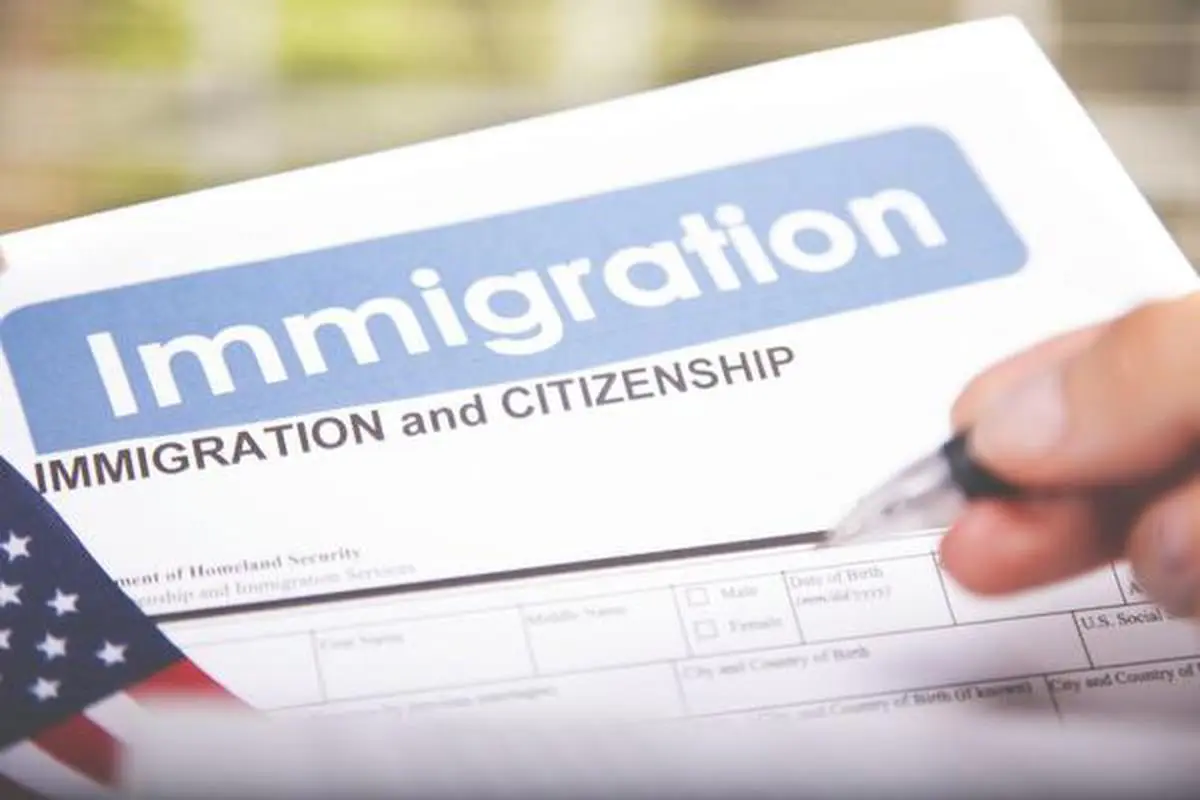
Starting an immigration case in the United States can feel like walking into a government building with every door labeled in fine print. Clear Immigration Law Tips matter because one missed deadline, wrong fee, or weak document can slow a case that already asks for patience. For new applicants, the goal is not to become a legal expert overnight. The goal is to understand the path well enough to avoid careless mistakes.
U.S. immigration systems run on forms, evidence, dates, identity records, and eligibility rules. USCIS warns that filing with the wrong fee or sending a form to the wrong office can cause delays, and many forms now have online filing options through a USCIS account. That is why a calm, organized start matters more than speed. A trusted legal resource like immigration application guidance can help readers think clearly before they act, but every applicant should still rely on official instructions and qualified legal help when the stakes are personal.
Build Your Case Around Eligibility, Not Hope
A strong immigration application starts before the form is opened. Many new applicants make the same quiet mistake: they begin with the result they want, then try to force their story into that category. U.S. immigration does not work that way. The category comes first, the evidence follows, and the personal story must fit the legal standard.
Why Your Immigration Application Process Starts With Category Choice
The immigration application process can look similar from the outside, but each path has its own gate. A family-based green card is not judged like an employment-based petition. An asylum case is not prepared like a student visa file. Even within green card categories, USCIS separates eligibility groups, such as immediate relatives of U.S. citizens and employment-based immigrants.
A good example is a spouse of a U.S. citizen. That person may think the marriage alone “proves” the case. It does not. The government still looks for lawful eligibility, identity records, proof of a real marriage, medical requirements, financial support issues, and possible inadmissibility concerns.
The counterintuitive truth is that a weaker case can sometimes improve when the applicant stops adding emotional detail and starts sorting evidence by legal requirement. More paper is not always better. Better-matched proof wins more trust.
How Legal Immigration Advice Protects You From Early Mistakes
Legal immigration advice matters most when a case seems simple. That is the moment people relax, copy a friend’s filing strategy, and miss a fact that changes everything. A prior visa overstay, arrest, misstatement, old removal order, or unlawful work history can turn an ordinary filing into a risky one.
Only an attorney or a DOJ-accredited representative working through a recognized organization can give immigration legal advice in the United States. USCIS and DOJ both warn applicants to avoid unauthorized help, including immigration scams and notario fraud.
You do not need a lawyer for every form, but you do need honesty about risk. If your history is clean, instructions may be enough. If your past has any legal friction, guessing is expensive.
Clear Immigration Law Tips for Filing Without Delays
Good filing is boring work, and that is the point. The best applications rarely look dramatic. They look complete, consistent, dated, signed, and easy for an officer to review. That quiet order can save weeks or months because the government does not need to chase missing pieces.
What New Applicants Should Check Before Sending Forms
New applicants should treat every immigration form like a sworn statement. Names must match identity documents. Dates must follow the requested format. Addresses should line up with past records. Empty boxes should be handled according to the form instructions, not personal preference.
USCIS says applicants can download forms for free and should review form pages for filing locations, fees, and requirements. Many forms can be filed online, but paper filings still require careful mailing, correct payment, and proper assembly.
A practical example helps. Someone filing a paper application may finish the form correctly but mail it to an old lockbox address found on a random blog. That filing can be rejected or delayed. The form was not the problem. The source was.
Why Immigration Filing Help Should Never Replace Your Own Review
Immigration filing help can be useful, but it should never turn you into a passive passenger. Even when someone prepares the paperwork, you are the person tied to the answers. Your signature tells the government that the information is complete and truthful.
A preparer may type fast, but you know whether you lived in Chicago from 2019 to 2021, whether a job title is correct, or whether a prior application was denied. Small inconsistencies can make a case look careless. Larger ones can look dishonest.
The unexpected insight here is simple: slow applicants often file stronger cases. They compare records, read instructions twice, and ask why a document is needed. That pace feels annoying until it prevents a request for evidence.
Keep Evidence Organized Before USCIS Asks
Evidence is where many cases either become clear or become cloudy. A form tells the government what you claim. Evidence shows why the claim deserves belief. New applicants often collect documents after filing, but that creates pressure when a deadline arrives.
How Supporting Documents Tell a Cleaner Story
Supporting documents should not feel like a messy drawer dumped onto an officer’s desk. They should answer the eligibility points in a clean order. Identity documents prove who you are. Relationship records prove family ties. Employment letters prove job facts. Tax records prove income. Court records explain legal history.
USCIS processing times vary by form type and location, and applicants can check current case processing estimates online. Waiting is hard, but waiting with a well-organized copy of your filing is easier than waiting with no record of what you sent.
For example, a couple filing a marriage case should not rely only on wedding photos. Lease records, insurance policies, joint bills, travel records, messages over time, and affidavits may each serve a different purpose. The best evidence shows a life, not a photo album.
Why Copies, Receipts, and Deadlines Deserve Their Own Folder
Every applicant should keep a full copy of each filing, delivery confirmation, USCIS receipt notice, appointment notice, and government letter. This is not office neatness. It is protection. If a notice gets lost or a deadline becomes disputed, your records become your memory.
Fee rules also change, and USCIS posts current filing fee information and fee schedules online. Some applicants may qualify for fee waivers for certain forms, but fee waiver rules can require paper filing rather than online submission.
A smart folder system has three parts: what you sent, what the government sent back, and what still needs action. That setup sounds plain. It also keeps people from missing biometrics appointments, interview notices, or response deadlines.
Protect Yourself From Bad Help and Bad Assumptions
The hardest part of a new immigration case is not always the paperwork. Sometimes it is the noise around the paperwork. Friends, social media groups, paid preparers, and confident strangers can all sound helpful. Some are. Some are dangerous.
How to Spot Immigration Scams Before They Damage Your Case
Immigration scams often promise speed, certainty, or secret access. No honest helper can guarantee approval. No private person can move your case to the front because they “know someone.” No preparer should ask you to sign a blank form or hide facts from the government.
USCIS says applicants needing legal advice should use an authorized attorney or accredited representative, and DOJ’s recognition and accreditation program exists to expand competent help for low-income and indigent people.
One common scam targets people who are scared of deportation or family separation. The scammer creates urgency, collects cash, and files the wrong form. By the time the applicant learns the truth, the damage may already sit inside a government record.
Why Strong Decisions Beat Fast Decisions
Fast decisions feel powerful when you are anxious, but immigration rewards accuracy. Filing too soon can be worse than filing later with the right documents. Answering a notice in a hurry can create contradictions. Hiring the first person who sounds confident can cost more than a careful consultation.
This is where Immigration Law Tips become practical, not theoretical. Before you file, ask three questions: What category am I applying under? What exact evidence proves eligibility? What risk in my history could change the strategy?
That small pause can shift the whole case. You stop reacting. You begin managing the process with a clear head, better records, and fewer surprises.
Conclusion
U.S. immigration is personal, but the system itself is built on rules, documents, and deadlines. That can feel cold when your future, family, job, or safety is tied to the answer. Still, there is power in understanding how the process thinks. You do not need to panic through every notice or copy someone else’s path because their story sounds close to yours.
The strongest move is to treat your case as its own file, with its own facts and its own risks. Read official instructions. Check current fees. Keep copies. Use qualified help when the situation calls for it. Most of all, never trade accuracy for speed.
Clear Immigration Law Tips are not about shortcuts. They are about building enough control to make wise choices before mistakes become permanent. Start with your category, protect your records, and get the right help before the pressure rises.
Frequently Asked Questions
What are the first steps for new immigration applicants in the USA?
Start by identifying the correct immigration category, then read the official form instructions from USCIS. Gather identity records, proof of eligibility, payment information, and past immigration history before filing. Do not rely only on advice from friends because small differences can change the case.
Can I file my immigration forms online with USCIS?
Many USCIS forms can be filed online through a free USCIS online account, but not every form has an online option. Always check the official USCIS form page before filing because available forms, fees, and instructions can change.
How do I know which immigration form I need?
Match the form to the benefit you are requesting, such as a green card, work authorization, naturalization, or family petition. The safest starting point is the official USCIS form page. Complex histories should be reviewed by an immigration attorney or accredited representative.
Who is allowed to give immigration legal advice?
In the United States, immigration legal advice should come from a licensed attorney or a DOJ-accredited representative working through a recognized organization. Notarios, travel agents, and general document preparers are not allowed to give legal strategy unless properly authorized.
What happens if I send the wrong USCIS filing fee?
A wrong fee can cause rejection or delay. USCIS posts current fee information and fee schedules online, so applicants should check the official fee page before submitting payment. Do not rely on old saved PDFs, blog posts, or copied fee amounts.
Should I keep copies of my immigration application?
Keep a complete copy of every form, document, payment record, mailing receipt, delivery confirmation, and USCIS notice. These records help you answer later questions, prepare for interviews, track deadlines, and prove what you submitted if confusion appears.
How can I avoid immigration scams?
Avoid anyone who guarantees approval, asks for blank signed forms, demands cash without receipts, or claims special government access. Use licensed attorneys, DOJ-accredited representatives, or recognized nonprofit organizations. Report suspicious immigration fraud through official government channels when needed.
When should I talk to an immigration lawyer?
Speak with a qualified lawyer if you have arrests, prior denials, removal orders, unlawful presence, misrepresentation concerns, visa overstays, or confusing eligibility facts. Legal help is also wise when a deadline is close or a government notice asks for more evidence.