
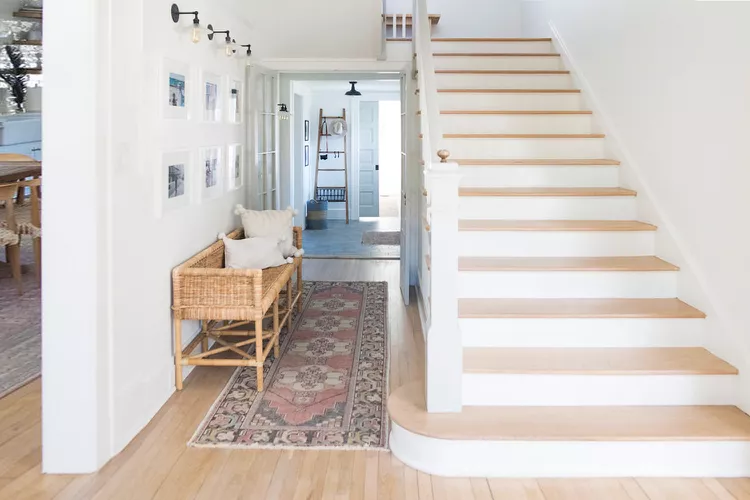
Your entryway tells the truth before anyone says hello. Good entryway styling ideas can make a small apartment hallway, a suburban foyer, or a narrow split-level landing feel intentional instead of forgotten. Across American homes, this space often gets treated like a dumping zone for shoes, backpacks, Amazon packages, dog leashes, and keys, yet it is the first moment guests read your taste and the first moment you feel your home after a long day. That makes it worth more attention than a leftover console table and a tired mat.
The best entryways do not need designer budgets. They need clear choices. A renter in Chicago may need peel-and-stick hooks and a slim bench. A family in Phoenix may need dust-friendly storage by the front door. A homeowner in Atlanta may want a warmer foyer that feels polished before dinner guests arrive. For smart home inspiration resources, home design and lifestyle ideas can help you think past surface decor and focus on how the space works. Style starts with beauty, but it lasts when the room behaves.
Entryway Styling Ideas That Set the Tone Before the Living Room
A strong entryway does one quiet job well: it prepares people for the rest of the home. The mistake many homeowners make is treating the entry like a separate decorating project. It is not separate. It is the opening sentence of the house, and the tone must match what follows.
Start With One Clear Focal Point
A foyer without a focal point feels unsettled, even when every item is nice on its own. You need one thing that catches the eye first, then lets the rest of the space support it. That could be a round mirror, a bold framed print, a sculptural lamp, or a painted door seen from inside the home.
In a small New York apartment, a black metal mirror above a narrow walnut shelf can do the work of an entire furniture plan. It gives light, shape, and purpose without stealing floor space. That is the hidden trick: the focal point should organize the room, not crowd it.
Small entryway decor works best when the lead piece has enough confidence to carry the wall. Tiny art, tiny hooks, and tiny trays often make the area look more cluttered. One larger mirror or one strong art piece usually feels cleaner than five small attempts at personality.
Match the Entry Mood to the Home’s Real Personality
Your entry should not pretend the home is something it is not. A casual family ranch in Ohio does not need a marble-topped console trying to act like a hotel lobby. A modern condo in Miami may look strange with farmhouse signs and distressed baskets. The entry has to speak the same language as the rooms beyond it.
This does not mean every finish must match. It means the emotional tone should line up. If the living room feels calm and neutral, the entry can use warm wood, soft lighting, and a simple rug. If the house is colorful, the entry can carry a painted cabinet or patterned runner without feeling out of place.
Foyer design tips often miss this point because they focus on isolated beauty. A pretty entry that does not belong to the rest of the home feels staged. A slightly imperfect entry that tells the same story as the home feels honest, and guests sense that difference fast.
Build Function Into the First Five Feet
Pretty entryways fail fast when they cannot handle daily life. The first five feet inside the door carry more pressure than most people admit. Shoes land there. Mail lands there. Kids drop backpacks there. Guests pause there. If the design ignores those habits, clutter wins by Tuesday.
Give Every Daily Item a Landing Place
A good entryway needs assigned spots before it needs accessories. Keys need a tray. Shoes need a shelf, basket, or cabinet. Bags need hooks. Mail needs a small sorter or drawer. Without assigned places, every surface becomes temporary storage, and temporary storage becomes permanent mess.
In many American homes, the front door doubles as the family command station. A parent in Dallas may walk in with groceries, school papers, and a phone in one hand. A wall hook near the door can save more frustration than a decorative vase ever will. Design becomes useful when it meets the real motion of your day.
Front door organization should feel easy enough that people use it without thinking. A shoe cabinet with closed doors may look cleaner, but open cubbies can work better for kids. The right answer is not always the prettiest option in a catalog. It is the option your household will follow when everyone is tired.
Choose Furniture That Earns Its Footprint
Entry furniture has to work harder than furniture in almost any other room. A bench should offer seating and storage. A console should hold lamps, trays, and maybe drawers. A cabinet should hide the visual noise that makes the whole area feel messy.
Narrow homes need pieces with shallow depth. A 10-inch-deep console can make a tight hallway feel finished without blocking movement. In a suburban foyer, a storage bench with a lift-up lid can hold winter gloves, pet gear, or reusable shopping bags. That is not glamorous, but it changes how the space feels every day.
Small entryway decor becomes stronger when furniture fits the traffic pattern. If guests have to turn sideways to pass a table, the table is wrong. If a bench becomes a pile zone with no storage, the bench is underperforming. The entry should not ask people to work around the design.
Use Light, Texture, and Color to Make the Space Feel Welcoming
Once function is handled, atmosphere becomes the difference between a practical entry and a memorable one. Light, texture, and color shape how people feel when they step inside. They also fix common entry problems, including dim corners, plain builder-grade walls, and narrow spaces that feel flat.
Let Lighting Do More Than Brighten the Room
Overhead lighting alone can make an entry feel harsh. A small lamp on a console, a warm wall sconce, or a shaded pendant creates a softer arrival. The light should feel like a greeting, not an inspection.
Many U.S. homes built in the 1990s and early 2000s came with basic flush-mount fixtures in the foyer. Replacing one dated light can shift the whole space. A simple brass pendant, a matte black lantern, or a woven shade can add character before you buy another piece of decor.
Welcoming entryway design depends on the temperature of the light, too. Cool bulbs can make warm wood and neutral paint look dull. Warm bulbs give the same surfaces a softer edge. It is a small detail, but small details near the door get noticed because people stand there with nothing else to do.
Layer Texture Before Adding More Color
Texture gives depth without making the space loud. A jute runner, woven basket, wood frame, ceramic lamp, or linen shade can make a plain entry feel finished even when the color palette stays simple. This matters in homes where bold paint might feel risky or rental rules limit changes.
A Denver townhouse with white walls and gray floors can feel cold at the entry. Add a natural fiber runner, a warm wood shelf, and a black-framed mirror, and the same space starts to feel grounded. No renovation needed. No drama required.
Foyer design tips should always account for touch. People brush past baskets, sit on benches, grab hooks, and drop keys into trays. Smooth, rough, matte, soft, and woven surfaces make the entry feel lived in. That tactile mix is often what separates a finished space from a flat one.
Keep the Entry Fresh Without Redecorating Every Season
A good entryway should flex with life. Weather changes. School starts. Guests come for holidays. Mud, pollen, rain, and winter boots all pass through the same small zone. The goal is not to redesign the entry every month. The goal is to make small swaps that keep it useful and alive.
Rotate Seasonal Details With Restraint
Seasonal decor can look charming, but it can also take over fast. One wreath, one small bowl, or one textile swap is often enough. A fall branch in a vase feels better than twelve pumpkins fighting for space on a narrow table.
In colder states like Michigan or Minnesota, winter entry needs may include boot trays, heavy coats, and extra hooks. In Florida or Southern California, the same entry may need space for beach bags, sandals, or sun hats. The style should follow the season your household actually lives through, not a generic store display.
A welcoming entryway does not need to announce every holiday. It needs to feel cared for. Fresh greenery, a clean mat, and a clear surface can say more than a crowded themed setup. Restraint is not boring here. It is what keeps the entry from feeling like a storage aisle.
Edit the Entry Like a Habit, Not a Project
Entryways collect clutter because they are convenient. That will never change. The fix is not a giant organizing weekend once a year. The fix is a small editing habit that keeps the space from sliding back into chaos.
Take two minutes at the end of the day to clear the console, return shoes, and toss junk mail. That sounds too simple to matter, but it protects the design. A styled entry can survive real life only when the daily mess has nowhere to hide for long.
Front door organization works best when the system is visible enough to use and attractive enough to respect. A good basket makes people more likely to toss scarves into it. A good tray makes keys feel like they belong there. The entry becomes easier to maintain when every object has a clear reason to stay.
Your home does not need a grand foyer to feel memorable. It needs a threshold that respects the way you live and the way you want people to feel when they arrive. The smartest entryway styling ideas are not about impressing guests for five seconds; they are about creating a daily reset that feels calm, useful, and personal. Start with the first thing you see when you open the door. Remove what does not belong, give the daily items a real home, and choose one detail that makes the space feel like yours. Then protect it with small habits. The entry is a promise your home makes before anyone reaches the sofa. Make that promise clear.
Frequently Asked Questions
What are the best entryway decor ideas for a small home?
Use a mirror, a slim console, wall hooks, and one closed storage piece. Keep the floor as open as possible so the entry feels wider. A narrow runner can add warmth without stealing space, especially in apartments, townhomes, and older homes with tight hallways.
How can I make my entryway look more welcoming?
Start with warm lighting, a clean doormat, a mirror, and one personal detail such as art, flowers, or a framed family photo. Keep clutter off the main surface. A welcoming entry depends more on order and warmth than on expensive furniture.
What furniture should every entryway have?
Most entryways benefit from a landing surface, seating, and storage. That may mean a console table, a bench, and baskets. In a narrow space, wall shelves and hooks can replace larger furniture while still giving shoes, keys, bags, and mail a proper spot.
How do I decorate an entryway without a foyer?
Treat the wall or corner beside the door as a mini entry zone. Add hooks, a small shelf, a mirror, and a mat to define the area. Even a one-bedroom apartment can feel more organized when the first few feet have a clear purpose.
What colors work best for entryway walls?
Warm whites, soft greige, muted green, pale blue, and earthy beige work well in many homes. Darker shades can also look sharp if the entry has enough light. The best color should connect with nearby rooms so the home feels consistent.
How do I keep my front entry organized every day?
Give each item one assigned place and make that place easy to reach. Use a tray for keys, hooks for bags, a basket for shoes, and a small sorter for mail. Clear the area daily before clutter turns into a weekend project.
Are mirrors good for entryway design?
Mirrors work well because they reflect light, help with last checks before leaving, and make tight spaces feel larger. Choose a size that fits the wall confidently. A mirror that is too small can make the entry feel unfinished.
What is the easiest way to upgrade an entryway on a budget?
Replace the doormat, add better lighting, hang a mirror, and bring in one storage piece that hides clutter. Paint or peel-and-stick wallpaper can also change the mood fast. Focus first on the items people see and touch every day.