
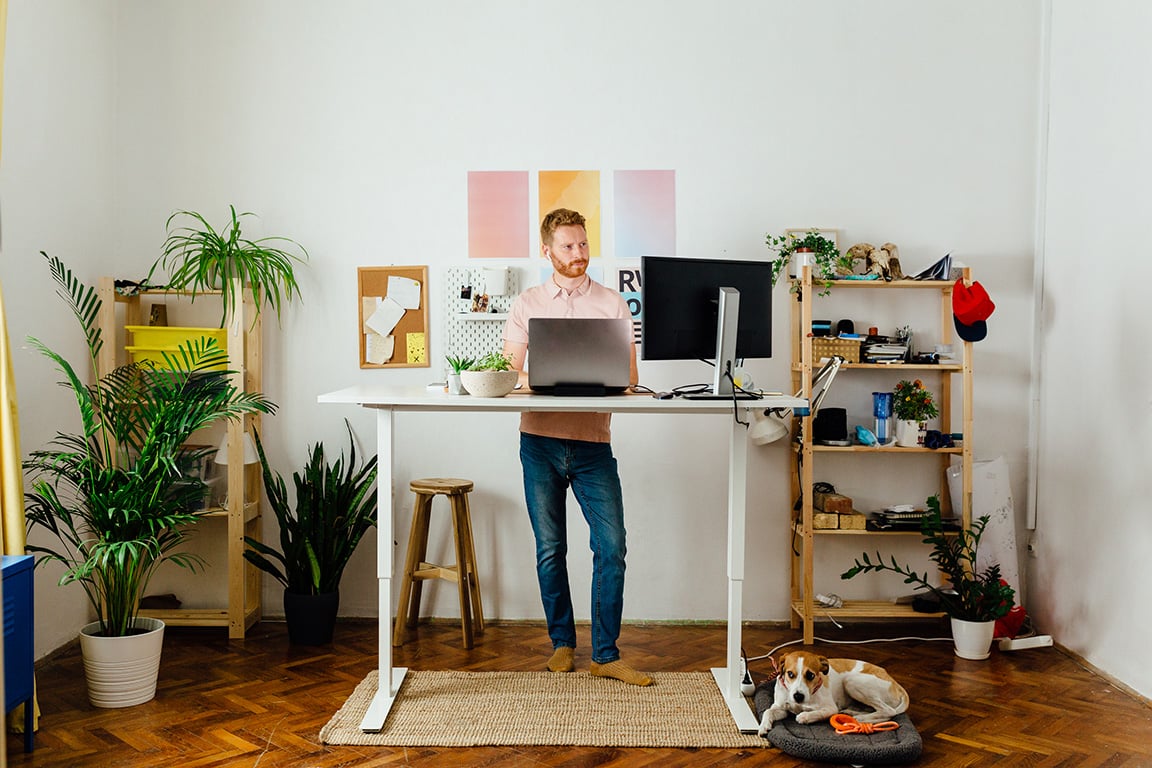
A neglected corner can become the difference between scattered workdays and a setup that finally feels like it belongs in your life. For many Americans working from apartments, townhomes, shared houses, or compact suburban spaces, Office Corner Ideas are not about copying a showroom desk scene. They are about claiming one small zone and making it carry a full professional day without taking over the room.
Remote work has changed how people judge their homes. A dining table that felt fine for a few weeks can start to feel like a daily compromise. A bedroom chair can turn into a backache. A laptop on the couch can blur every boundary between work and rest. That is where a thoughtful corner earns its keep.
The best setup does not need a huge budget or a separate room. It needs a clear surface, decent light, smart storage, and enough personality to make you want to sit down. Resources like practical home workspace planning can help you think beyond furniture and focus on how the space supports your day.
Choosing the Right Corner Before Buying Anything
A good office corner starts before the desk arrives. The mistake many remote workers make is shopping first and measuring later, which usually leads to a cramped layout or a setup that looks good online but feels awkward by Wednesday afternoon. Your corner has to match your work habits, your home layout, and the way light moves through the room.
How to spot the corner that will actually work
The best corner is not always the empty one. Sometimes the unused space beside a window looks perfect until afternoon glare hits your screen. Sometimes the quiet bedroom nook feels ideal until you realize video calls show an open closet behind you. A strong setup begins with watching the space during a normal day.
Stand in the corner before you commit to it. Check outlet access, Wi-Fi strength, walking paths, background visibility, and noise from nearby rooms. In a typical U.S. apartment, the corner near the living room window may offer better natural light, but the corner near a hallway may offer fewer distractions during calls.
A corner also needs emotional distance from the rest of the room. That sounds dramatic, but it matters. If your desk sits where laundry piles up or kids drop backpacks, the space starts collecting the wrong kind of energy. Work gets harder when your eyes keep landing on unfinished home chores.
Why traffic flow matters more than square footage
A small corner can work beautifully when nobody has to squeeze past your chair every ten minutes. A larger corner can fail when it blocks a doorway, closet, or main walkway. Remote workers often blame the size of their homes, but the bigger issue is usually movement.
Leave enough clearance behind the chair so you can stand without bumping into a sofa, bed, or cabinet. In a family home, avoid placing the desk where everyone naturally cuts through the room. You may not notice that pattern on a quiet Sunday, but you will notice it during a Monday morning call.
The counterintuitive move is choosing a slightly smaller corner with better boundaries. A compact nook beside a bookcase may feel calmer than a wide-open wall in a busy living room. Space is not only measured in inches. It is measured in how often your focus gets interrupted.
Building Office Corner Ideas Around Comfort and Focus
The real test of a workspace is not how it looks in a photo. It is how your body feels at 3:30 p.m. after emails, calls, documents, and the small mental grind that remote work brings. Office Corner Ideas work best when comfort and focus sit at the center of the design, not as afterthoughts.
What makes a corner desk setup feel natural
A smart corner desk setup fits your body before it fits your style. Your screen should sit near eye level, your elbows should rest without shoulder tension, and your feet should land flat or on a footrest. These basics sound plain, but they decide whether the corner becomes a daily asset or a place you avoid.
Many remote workers buy desks that are too deep for the room or too narrow for real work. A 36- to 48-inch surface can be enough for a laptop, monitor, notebook, and small lamp if the layout is clean. A corner desk setup with shelves above can also free the desktop from clutter.
Do not ignore the chair. A pretty accent chair may look charming beside a window, but it will punish your back if you sit there for six hours. A supportive chair with adjustable height beats a stylish chair almost every time. Comfort is not a luxury here. It is the foundation.
How lighting changes your work rhythm
Lighting can make a corner feel calm, sharp, or exhausting. Natural light helps, but direct sunlight can cause glare and heat. A desk placed perpendicular to a window often works better than one facing straight into the glass. That angle gives brightness without turning your screen into a mirror.
Layered lighting matters after sunset, especially for remote workers in northern states where winter afternoons get dark early. Use one task lamp for focused work and softer room lighting behind or beside you. A single harsh overhead light can make even a beautiful small home office feel cold.
Video calls add another layer. Light from the front softens your face and improves visibility. Light only from behind can make you look shadowed, even if the room feels bright to you. The best lighting choice is often simple: a lamp slightly above eye level, placed in front of you, with a warm bulb that does not distort color.
Making a Small Home Office Look Intentional
A corner workspace should not look like a desk got stranded in the room. It should feel chosen. That matters even more in smaller homes, where every visible object affects the mood. A small home office can blend into a bedroom, living room, or guest room without looking temporary or messy.
How to use walls without making the corner feel crowded
Walls are your best storage surface, but they can turn chaotic fast. One floating shelf, a slim pegboard, or a small corkboard can help the corner feel useful without swallowing the room. The goal is not to display every office supply you own. The goal is to keep what you touch often within reach.
A small home office benefits from vertical thinking. Put paperwork in wall pockets, place books on a shelf above the monitor, and use closed boxes for items that look messy in the open. In a rented U.S. apartment, adhesive hooks and lean-to shelving can help without risking your security deposit.
The unexpected truth is that too much “organization” can look like clutter. Clear bins, labels, trays, and baskets all compete visually when overused. Pick one or two storage styles and repeat them. A calm corner usually comes from fewer decisions, not more products.
Why color should connect the desk to the room
A workspace corner feels more settled when its colors belong to the room around it. That does not mean everything has to match. It means the desk, chair, lamp, and accessories should borrow tones already present nearby. A black metal lamp may echo curtain rods. A wood desk may connect with flooring or a coffee table.
Remote workers often try to make the office corner stand out too much. The result can feel like a mini cubicle dropped into a living room. A better approach is gentle separation. Use a rug, wall art, or a paint accent, but keep the palette tied to the room.
Texture helps too. A woven basket, linen pinboard, wood shelf, or soft rug can make the corner feel warmer without adding visual noise. This matters because remote work already brings enough screen fatigue. Your eyes need somewhere peaceful to land between tasks.
Adding Storage That Supports Real Work Habits
Storage only works when it matches the way you actually behave. If you tend to drop papers beside your laptop, you need a paper tray within arm’s reach. If chargers always disappear, you need a fixed charging spot. A remote workspace should reduce friction, not create a new set of tiny rules you will break by Friday.
How to keep supplies close without crowding the desk
A clean desktop is helpful, but an empty desktop is not always realistic. Keep the daily tools visible and move everything else off the main surface. Your notebook, pen, headphones, charger, and water glass may deserve space. Extra cables, old receipts, mail, and random cords do not.
Drawer units work well when the desk has no built-in storage. A slim rolling cart can also serve remote workers who need to move supplies between rooms. This is especially useful for renters, parents, or anyone who shares a workspace during the week.
A corner desk setup often fails when the storage sits too far away. If you must stand up for every folder, you will stop using the system. Keep active files near the desk and archive older paperwork elsewhere. Your workspace should support today’s work, not store your whole life.
Why hidden storage can protect your mental energy
Open shelves look nice when styled, but daily work rarely stays styled. Hidden storage gives you breathing room. A lidded box, cabinet, drawer, or fabric bin can hide the visual mess that builds during a busy week. That matters because clutter keeps asking for attention even when you are trying to focus.
For a living room office corner, hidden storage is almost mandatory. When the workday ends, you need the room to feel like home again. Closing a cabinet door or sliding papers into a drawer creates a small mental boundary. It tells your brain the shift is done.
The counterintuitive insight is that remote workers do not need more storage as much as they need better stopping points. A tray for active work, a bin for supplies, and a drawer for private papers may be enough. More containers can invite more clutter if the system lacks discipline.
Creating Boundaries Between Work and Home Life
A corner office has one tricky job: it must be present during work hours and quiet after them. That is harder than it sounds. When your desk sits in the same room where you relax, eat, or sleep, the boundary has to come from design cues and daily habits.
How visual separation improves focus
Visual separation can be subtle. A small rug under the desk, a different wall color, a tall plant, or a folding screen can signal that this corner has a purpose. You do not need to build a wall. You need enough distinction that your brain recognizes the shift.
A bedroom workspace needs extra care because poor boundaries can affect sleep. Place the desk where it is not the first thing you see from bed, if possible. If space is tight, use a screen, curtain, or even a closed laptop routine to reduce the sense that work is staring back at you.
In a shared home, separation also tells other people when you are working. A lamp turned on, headphones placed nearby, or a chair pulled into position can become a quiet signal. Families often respect visible cues better than repeated reminders.
How routines make the corner feel professional
Design can set the stage, but routine makes the space work. Start the day by clearing the desk, opening the laptop, turning on the lamp, and placing your phone where it will not hijack your attention. These small actions create a start line.
Ending the day matters even more. Close tabs, clear cups, put papers in the tray, and push the chair in. A two-minute reset protects the next morning from yesterday’s mess. Remote workers often underestimate how much a rough start can shape the whole day.
A work from home office does not need corporate stiffness. It needs repeatable signals. When your setup tells you when to begin and when to stop, the corner becomes more than furniture. It becomes a reliable work rhythm inside a personal space.
Personalizing the Corner Without Creating Distraction
A remote workspace should feel like yours, but personality can turn into clutter when every object asks for attention. The best personal touches support mood without stealing focus. That balance is where a corner starts to feel both human and professional.
What to display when your office is on camera
Video calls make the background part of your work identity. A clean wall, framed print, plant, shelf, or soft curtain can look polished without feeling staged. The goal is not to impress people with décor. The goal is to remove anything that distracts from what you are saying.
Avoid backgrounds that expose private home details. Family paperwork, laundry, medicine bottles, and children’s schedules should stay out of frame. In many U.S. homes, the office corner shares space with real life, so the camera angle matters as much as the furniture.
A simple test helps. Open your laptop camera and look at the background like a client, manager, or colleague would. If your eye lands on something odd before it lands on your face, adjust the scene. Your background should support your presence, not compete with it.
How small personal details can improve mood
Personal details work best when they carry meaning. A framed photo, a ceramic mug, a favorite print, or a plant you actually care for can make the space feel less mechanical. Remote work can feel isolating, and small anchors of familiarity help more than people admit.
Scent, sound, and touch also shape the corner. A quiet keyboard, a soft desk mat, or a small diffuser used lightly can improve the workday without changing the layout. These details do not show up in design photos, but they affect how long you want to stay seated.
The trick is restraint. Choose a few items that make the corner feel grounded, then stop. A crowded desk can turn comfort into noise. Good personalization gives the space a pulse without making it restless.
Keeping the Setup Flexible as Work Changes
Remote work rarely stays the same for long. One month may bring heavy video calls. Another may require deep writing, spreadsheets, design work, or client meetings. A useful corner can adapt without needing a full makeover every time your workload changes.
Why modular pieces are worth considering
Modular furniture helps when your home and job both demand flexibility. A wall-mounted desk, rolling cart, stackable bins, adjustable monitor arm, or folding screen can shift as your needs change. This is especially helpful for renters and homeowners who do not want permanent changes.
A small desk with smart add-ons often beats a large fixed workstation. You can add a monitor arm later, move storage to another wall, or swap lighting without replacing everything. Flexible pieces also make moving easier, which matters for renters in cities like Austin, Denver, Chicago, or Atlanta.
The surprising benefit is financial. Buying fewer fixed pieces can save money over time because the setup can evolve. A desk that only works in one corner of one room may become useless after a move. A flexible setup keeps serving you.
How to audit your corner every few months
A corner workspace should be reviewed like any tool you use daily. Every few months, ask what keeps annoying you. Maybe the printer is too far away. Maybe the chair sinks. Maybe the shelf has become a dumping zone. Small irritations reveal where the design is failing.
Change one thing at a time. Replace the lamp before replacing the desk. Add a cable box before buying a new shelf. Move the chair before blaming the room. Slow adjustments prevent the common cycle of buying more when the real fix is better placement.
A work from home office improves when you treat it as a living setup, not a finished project. Your needs will shift with seasons, workload, family schedules, and even daylight. The corner should change with you instead of locking you into a version of work that no longer fits.
Conclusion
A strong remote workspace is not built from expensive furniture or perfect square footage. It comes from noticing how your day actually moves, then shaping one corner to support that rhythm with less friction. The best spaces feel calm because they solve small problems before those problems turn into daily frustration.
That is why Office Corner Ideas should begin with behavior, not décor. Where do your papers land? When does glare hit your screen? What background appears on camera? Which items do you reach for ten times a day? Those answers matter more than any trend.
Start with the corner you already have. Clear it, measure it, test the light, choose a desk that fits your body, and build storage around real habits. Then add warmth, boundaries, and personal details that make the space feel like somewhere you can return to tomorrow.
Claim the corner with intention, and let it become the quiet engine behind better workdays.
Frequently Asked Questions
What are the best creative office corner ideas for small apartments?
Choose a narrow desk, wall shelves, a supportive chair, and layered lighting. Keep the desktop clear and move storage upward instead of outward. A small rug or wall accent can help the work zone feel separate without taking over the apartment.
How can I make a small home office feel less cramped?
Use furniture with slim legs, closed storage, and light visual weight. Keep only daily tools on the desk and move extra supplies into bins or drawers. Better lighting also helps because dark corners often feel smaller than they are.
Where should I place a corner desk setup in my bedroom?
Place it away from the direct view of the bed when possible. If the room is tight, use a screen, curtain, plant, or shelf to create separation. Good lighting and a clean end-of-day reset help protect sleep boundaries.
What lighting works best for a remote work corner?
Use natural light from the side when possible, then add a focused desk lamp for task work. For video calls, place soft light in front of your face. Avoid relying only on overhead lighting because it can create harsh shadows and screen strain.
How do I hide office clutter in a living room workspace?
Use closed cabinets, lidded boxes, baskets, or a slim drawer unit. Keep active papers in one tray and store supplies out of sight. A quick evening reset helps the room feel like a living space again after work ends.
What furniture is best for a work from home office corner?
A compact desk, ergonomic chair, task lamp, and vertical storage are the core pieces. Add a monitor stand or arm if you use a screen daily. Choose flexible furniture if you rent or expect your work needs to change.
How can I make my office corner look good on video calls?
Check your camera view before arranging the background. Use a clean wall, simple art, a plant, or a tidy shelf. Keep private items out of frame and place light in front of you so your face appears clear.
How often should I update my remote workspace setup?
Review the setup every few months or whenever a repeated annoyance appears. Fix one issue at a time, such as lighting, chair comfort, cable clutter, or storage. Small changes usually work better than replacing the whole corner at once.