
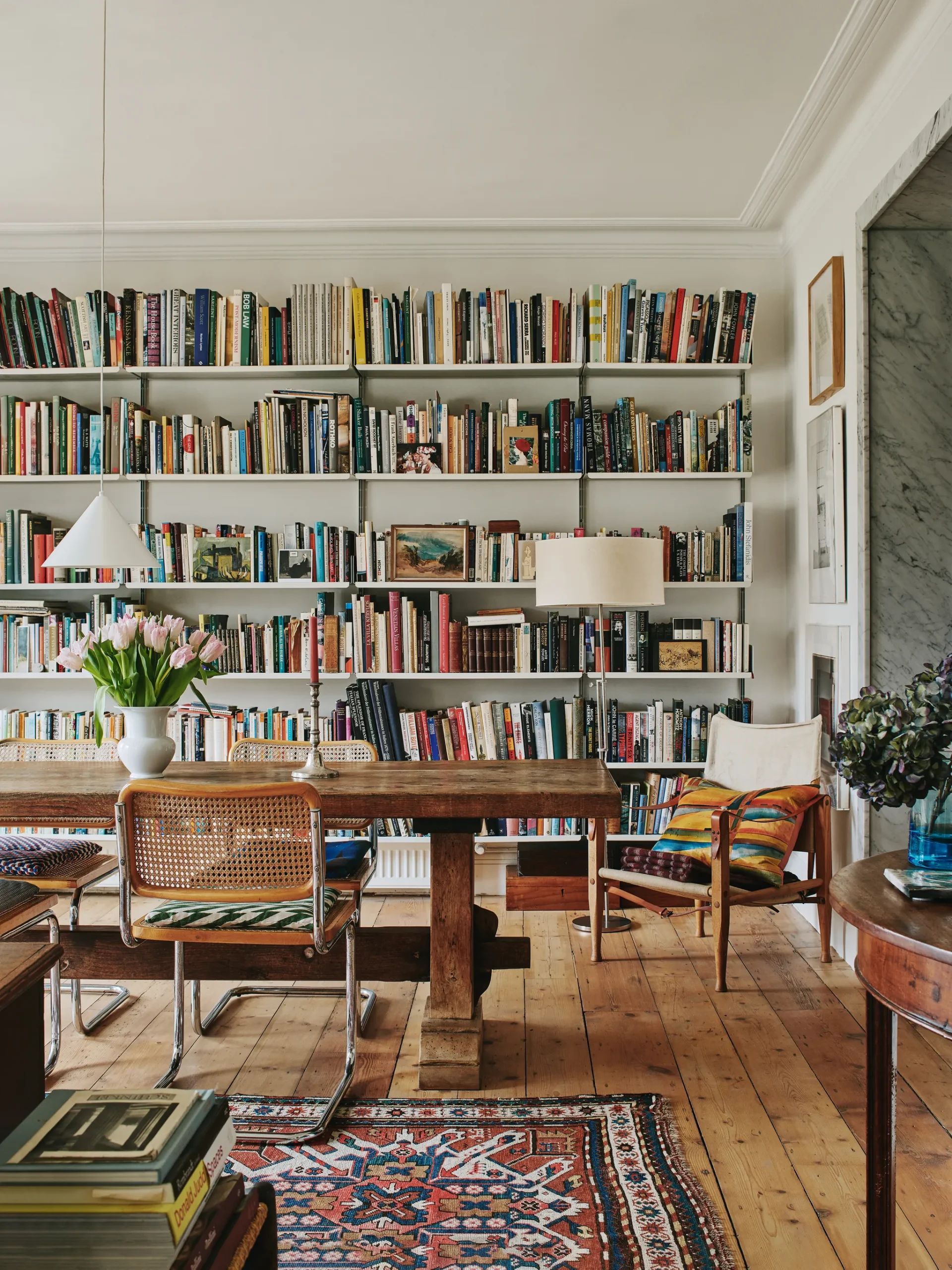
A bookshelf can tell the truth about a room faster than the sofa, rug, or paint color ever will. Good bookshelf styling turns plain storage into a warm, personal corner that feels lived-in instead of staged. That matters in American homes where one room often has to do three jobs at once: relaxing, working, reading, and hosting without looking crowded.
The shelves beside your favorite chair, the built-ins around a fireplace, or the slim bookcase in a rented apartment can change the whole mood of a space. A thoughtful mix of books, objects, texture, and breathing room makes cozy room decor feel natural instead of copied from a showroom. Even small updates can shift the room from cluttered to calm.
If you like practical home inspiration from places that understand how style and daily living meet, resources like modern home improvement ideas can help you think beyond decoration alone. A cozy bookshelf should not ask you to live around it. It should support the way you already live.
Bookshelf Styling That Makes Cozy Rooms Feel Personal
A cozy bookshelf starts with identity before it starts with objects. Many people rush to buy matching vases, baskets, and framed prints, then wonder why the shelf feels cold. The better move is to begin with what already belongs to you: books you have read, photos you care about, a ceramic piece from a trip, or a small object that carries a private memory.
Start With the Books You Actually Reach For
Books should not be treated like filler. They are the emotional spine of the shelf, even when the room leans more decorative than academic. A stack of worn novels, a few design books, or children’s storybooks in a family room can make the space feel active instead of posed.
The trick is to organize with warmth, not perfection. Place taller hardcovers upright on one shelf, then lay two or three books flat on another to create a platform for a candle or small bowl. This gives the eye movement while keeping the shelf useful. In a Chicago apartment or a small ranch home in Ohio, that mix can make an ordinary bookcase feel built into the life of the room.
Color sorting can work, but it should never erase personality. A shelf arranged only by spine color may photograph well, yet it often loses the little human details that make cozy room decor worth having. Keep a few mismatched books visible. A room needs evidence of real use.
Add Objects That Carry a Story
Decorative objects earn their place when they say something. A handmade mug, a brass thrift-store frame, a small wood box, or a stone picked up during a beach weekend can do more than a full set of identical store-bought pieces. Meaning creates warmth faster than symmetry.
The mistake is spreading small objects evenly across every shelf. That creates visual noise. Group two or three pieces together, then leave space around them so the eye can rest. A framed photo beside a stack of books feels stronger than five tiny objects lined up like a store display.
One unexpected move is to place one “ordinary” item on purpose. A pretty match striker near a candle, a reading journal, or a pair of glasses on a tray can make the shelf feel quietly alive. Cozy spaces often work because they look ready for someone to sit down and stay awhile.
Using Scale, Layers, and Empty Space Without Losing Warmth
Once the shelf has personal pieces, the next challenge is control. Warm rooms can slip into clutter fast, especially when every shelf holds items of the same size. A cozy bookshelf needs contrast: tall and short, heavy and light, open and filled. That balance is what keeps the room soft without making it messy.
Mix Heights So the Shelf Feels Collected
Flat, even arrangements make shelves feel stiff. A row of books, a medium vase, a low bowl, and a framed print leaning against the back panel creates a more relaxed rhythm. The eye moves across the shelf instead of stopping at one dull line.
In many U.S. living rooms, built-ins around the TV or fireplace become dumping zones because the shelves are wide and tempting. Treat each shelf like a small scene instead. One side can carry taller books, the middle can hold a framed piece, and the opposite side can stay low with a tray or woven basket.
Height also helps small rooms. Small room bookshelf styling often fails when every item sits low and scattered. A taller object pulls the eye upward and makes the whole wall feel more intentional. That matters in rentals where you cannot change the architecture, but you can still make the room feel taller.
Let Empty Space Do Some Work
Empty space is not wasted space. It gives your favorite objects room to speak. A shelf packed from edge to edge may hold more, but it rarely feels cozy. It feels busy, and busy rooms tire people out faster than they realize.
Leave at least one open pocket on each visible shelf. That space can sit beside a vase, above a short stack of books, or between two heavier groupings. The result feels more confident than a shelf filled only because there was room to fill it.
This is where many bookshelf decor ideas go wrong. They treat every gap as a problem. In practice, a little breathing room makes texture, color, and shape easier to appreciate. A cozy room is not the same as a crowded room. That difference matters.
Building Mood With Texture, Color, and Soft Details
A bookshelf changes the mood of a room through more than arrangement. Texture, color, and light affect how the whole corner feels. A glossy white shelf with only shiny objects can feel cold, while a mix of wood, paper, fabric, ceramic, and metal brings depth without needing extra clutter.
Use Texture Before Adding More Color
Texture is the quiet worker in cozy room decor. Woven baskets, linen book covers, matte pottery, wood beads, old paper, and soft framed art all add warmth without shouting. This helps when the room already has plenty of color in the rug, curtains, or sofa.
A simple basket on the lower shelf can hide cords, remotes, or paperback overflow. It also grounds the bookcase so the bottom does not feel empty. In a family room in Texas, for example, baskets can hold board games or kids’ books while still keeping the room grown-up enough for guests.
Texture also prevents a shelf from feeling too polished. A slightly rough ceramic vase beside smooth book spines adds friction in the best way. Real homes need that friction. Without it, the room can feel like no one is allowed to touch anything.
Choose a Color Thread, Not a Color Trap
A color thread gives the shelf unity without making it predictable. Pick two or three tones already present in the room, then repeat them in small ways across the shelves. That might mean warm wood, cream, and soft green in a cottage-style room, or black, tan, and brass in a modern apartment.
The color should guide the shelf, not control it. You do not need every book spine to match. You can turn a few loud paperbacks backward inside a closed cabinet, but doing that across an entire open shelf often feels unnatural. Books are meant to be seen and used.
One practical move is to place stronger colors lower and softer pieces higher. Darker items can weigh down the arrangement visually, while lighter pieces keep the upper shelves calm. That small adjustment can make tall bookcases feel stable instead of top-heavy.
Turning Shelves Into Functional Cozy Corners
A styled bookshelf works best when it supports a real habit. Reading, relaxing, journaling, listening to records, storing games, or keeping craft supplies nearby can all shape the way shelves are arranged. A room becomes cozier when beauty and use stop fighting each other.
Shape a Reading Spot Around the Shelf
A reading corner does not need a grand library wall. It needs a comfortable chair, reachable books, soft light, and a small surface for a drink. A narrow bookcase beside a chair can create a reading nook design that feels complete even in a small bedroom or apartment living room.
Place the books you want to read at sitting height. Keep heavier decor higher or lower so the useful shelf stays open. A small lamp nearby matters more than most people think. Poor lighting can make even the prettiest bookshelf feel like background furniture instead of an invitation.
The strongest reading nook design usually feels slightly tucked away. A bookcase near a window, a corner chair, and a folded throw can turn unused space into the best seat in the home. Not fancy. Better than fancy.
Keep Daily Storage Hidden but Close
Cozy rooms still need function. Remote controls, charging cables, notebooks, toys, and magazines have to go somewhere. The answer is not pretending they do not exist. The answer is giving them a beautiful place to disappear.
Use closed boxes, lidded baskets, or magazine files on lower shelves. Keep the top and eye-level shelves lighter and more decorative, then let the lower shelves handle the work. This keeps the room calm without making daily life annoying.
Small room bookshelf styling benefits most from this split. In a studio apartment, one bookcase might hold decor, office supplies, books, and extra linens. Hidden storage lets the shelf carry all that without announcing every job it performs. The room feels softer because the mess has a boundary.
Creating Balance Between Style and Real Life
A bookshelf should never become a museum wall. The best shelves shift as your life shifts. A summer stack of travel books can become fall candles and family photos. A lower shelf once used for toys can later hold art books or storage boxes. Good styling leaves room for change.
Edit Seasonally Without Starting Over
Seasonal editing keeps shelves fresh without turning decorating into a full project. Swap one framed print, change a candle, move a basket, or rotate a few books from another room. Small shifts keep the shelf connected to the season while preserving the larger arrangement.
For spring, lighter ceramics and fresh greenery can brighten the shelf. In fall, warmer wood, darker books, and woven texture can make the room feel grounded. The point is not theme decorating. The point is mood.
One counterintuitive truth is that removing one item often makes the whole shelf feel new. People tend to add when they feel bored, but subtraction can sharpen the room faster. A shelf with fewer, better choices often feels more expensive and more personal at the same time.
Let Imperfection Stay Visible
A cozy bookshelf should show signs of a real home. A slightly leaning book, a family photo that does not match the frame style, or a child’s favorite story placed within reach can soften the whole room. Perfection can be impressive, but it rarely feels welcoming.
That does not mean messy is the goal. It means controlled looseness. Keep the layout clean, then allow a few honest details to remain. Those details tell guests they can relax instead of worrying about disturbing the scene.
This is why the best bookshelf decor ideas leave room for life. A shelf should look good on a quiet morning, during a busy weeknight, and when friends drop by without warning. If it only works after an hour of tidying, it is not serving the room.
Conclusion
A cozy room does not need a huge budget or a wall of custom built-ins to feel finished. It needs choices that make sense together. Start with books you care about, add objects with memory, create space around them, and let texture carry more weight than decoration alone.
Strong bookshelf styling is not about proving you know design rules. It is about building a corner that feels warm every time you walk past it. That might mean a reading chair beside a slim shelf, baskets hiding daily clutter, or one framed photo that changes the whole mood of the room.
Treat your shelves as part of your life, not a display you must protect. Move things, edit often, and keep what still feels true. Begin with one shelf today, remove what feels empty, and rebuild it with pieces that make the room feel like yours.
Frequently Asked Questions
What are the best bookshelf decor ideas for a cozy living room?
Start with books, then add warm textures like baskets, pottery, framed photos, and wood accents. Keep some open space so the shelf does not feel crowded. A cozy living room shelf should feel personal, useful, and calm instead of packed with random decorations.
How do I style a bookshelf without making it look cluttered?
Group items in small clusters and leave open space between them. Use a mix of upright books, stacked books, one larger object, and one personal piece. Clutter usually happens when every shelf has too many small items competing for attention.
What should I put on bookshelves besides books?
Use framed photos, small art, pottery, candles, baskets, plants, bowls, and meaningful keepsakes. Choose items with different heights and textures. Avoid filling shelves with objects that have no connection to you, because they can make the room feel staged.
How can I make small room bookshelf styling look balanced?
Use taller objects to draw the eye upward and closed baskets to hide daily clutter. Keep darker or heavier items near the bottom and lighter pieces higher up. This helps a small room feel organized without making the bookshelf look too busy.
What colors work best for cozy room decor on shelves?
Warm neutrals, soft greens, muted blues, wood tones, cream, black accents, and brass can all work well. The best choice depends on your room’s existing palette. Repeat two or three colors across the shelf so the arrangement feels connected.
How do I create a reading nook design with a bookshelf?
Place a comfortable chair near the bookshelf, add a good lamp, and keep favorite books within arm’s reach. A small side table or stool helps too. The space should feel easy to use, not overly decorated or hard to settle into.
How often should I restyle my bookshelves?
Restyle lightly every season or whenever the shelf starts feeling stale. You do not need to redo the whole setup. Move a few books, swap one framed piece, change a candle, or remove an item that no longer fits the room.
Can bookshelves make a room feel warmer?
Yes, bookshelves add warmth when they include texture, personal objects, layered heights, and soft color choices. Books alone already bring a lived-in feeling. When paired with baskets, art, lamps, and meaningful pieces, shelves can make a plain room feel much more inviting.