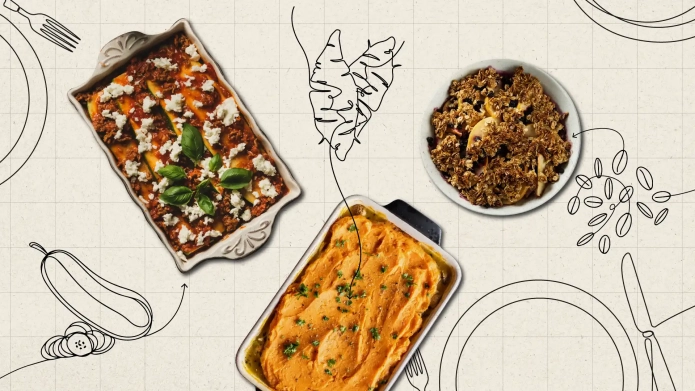
Cold evenings, stressful workdays, and busy family schedules all seem to ask for the same thing: food that feels like a reward. The good news is that healthier ingredient swaps can keep that comfort on the plate without turning dinner into a punishment. Across American kitchens, people are not giving up casseroles, pasta bakes, burgers, creamy soups, or Sunday-style desserts. They are changing the parts that make those dishes feel heavy after the last bite.
That shift matters because comfort food recipes are often tied to memory, not nutrition labels. A bowl of mac and cheese may remind you of childhood. A pot pie may feel like home after a long commute. Sites that share practical lifestyle ideas understand that better habits stick when they fit real life instead of fighting it.
Healthier comfort does not mean dry chicken, sad salads, or pretending cauliflower is always pizza. It means knowing where flavor comes from, where calories hide, and where texture can be protected. Once you learn that, the food still feels generous. It also stops leaving you sluggish, thirsty, or annoyed that “healthy” somehow became another word for joyless.
The First Swap Is Mindset, Not the Ingredient
Better comfort cooking starts before anything hits the pan. Most people try to make a favorite dish healthy by removing the richest part. That approach usually fails because comfort food depends on satisfaction. Take away the creamy bite, the crisp edge, or the warm sauce, and the dish no longer does its job.
Why Flavor Should Stay Before Calories Leave
A smart home cook protects the main pleasure first. In a baked ziti, that pleasure might be the browned top and soft pasta under it. In mashed potatoes, it might be the creamy texture more than the butter itself. Once you name the real reason a dish works, you can change the support pieces without hurting the heart of it.
A family in Ohio making weeknight chili, for example, can keep the smoky spice, tomato depth, and slow-cooked feel while using lean turkey, extra beans, and finely chopped mushrooms. Nobody at the table needs a speech about nutrition. They taste warmth, spice, and comfort.
The surprise is that fat is not always the enemy. Bad swaps often fail because they remove all fat, then add sugar or salt to cover the damage. Better cooking keeps a little fat where it matters and cuts it where nobody misses it.
How Small Changes Beat Total Makeovers
A full recipe makeover can feel noble, but it often creates a dish nobody asks for twice. Small changes work better because the tongue notices loss faster than improvement. Swap one or two pieces at a time, then let the recipe prove itself.
Lighter comfort meals often start with quiet moves. Use Greek yogurt in part of a creamy sauce. Choose whole grain pasta in a baked dish where sauce and cheese carry the flavor. Add roasted vegetables to meatloaf instead of serving them on the side like a chore.
This is why home cooks stay consistent when the change feels almost invisible. You do not need to turn chicken Alfredo into steamed vegetables with white sauce. You can make the sauce lighter, add broccoli, use grilled chicken, and still serve a plate people want to eat.
Build Creamy, Crispy, and Cheesy Texture Without the Heavy Finish
Texture is where comfort food wins or loses. A soup can have perfect seasoning, but if it feels thin when it should feel silky, the whole bowl disappoints. A casserole can use better ingredients, yet still feel dull if the top never browns.
Creamy Sauces Can Come From More Than Heavy Cream
Creaminess is often a structure problem, not a cream problem. Blended white beans, potatoes, cauliflower, or cottage cheese can give body to sauces without making them taste like a diet trick. The key is pairing the base with enough seasoning and a small amount of real richness.
Healthy comfort food works best when the swap supports the original dish. In a broccoli cheddar soup, blended potatoes can thicken the base while sharp cheddar still brings the familiar bite. You use less cheese, but the cheese you keep has a job.
American weeknight cooking needs this kind of realism. Parents in Texas or Pennsylvania are not looking for a science project at 6:30 p.m. They need a pot that tastes rich, feeds everyone, and does not make the kitchen feel like a restaurant shift.
Crisp Edges Make Lighter Food Feel Complete
Crisp texture does more work than people admit. A crunchy topping on tuna casserole, browned edges on turkey meatballs, or toasted crumbs over mac and cheese can make a lighter dish feel finished. Without that contrast, softer food can feel flat.
Air fryers and hot ovens help here. Chicken tenders coated with crushed whole grain cereal, panko, or seasoned cornflakes can taste more satisfying than pan-fried versions if the coating is seasoned well. A rack over a sheet pan also keeps the bottom from steaming.
Better-for-you recipes should respect the joy of a browned bite. A little olive oil sprayed over a crumb topping can create more pleasure than stirring extra butter through the whole dish. Put richness where the mouth notices it first.
Make Protein and Carbs Work Harder in Classic Dishes
Comfort food often leans on white flour, fatty meat, and oversized portions because those ingredients are cheap, familiar, and filling. The better path is not banning them. It is making every protein and carb earn its place.
Lean Protein Needs Moisture, Not Apology
Lean meat gets a bad reputation because people cook it like fattier meat and then blame the ingredient. Turkey burgers, chicken meatballs, and lean beef casseroles need moisture from vegetables, sauces, eggs, or beans. Without that support, they turn dry fast.
A turkey burger can taste full and juicy when grated onion, Worcestershire sauce, Dijon mustard, and a little olive oil are mixed in. Add a toasted bun, pickles, lettuce, and a bold sauce, and the meal still feels like Friday night. The swap is not a downgrade.
The counterintuitive part is that lean protein often needs stronger seasoning than fatty protein. Fat carries flavor across the tongue. When you reduce it, herbs, acid, spice, and browning have to step forward.
Better Carbs Add Staying Power
Carbs are not the villain in comfort cooking. Weak carbs are the problem. A bowl of plain white pasta with thin sauce may fill you for an hour, then leave you searching the pantry. Add fiber, protein, and texture, and the same style of meal holds better.
Lighter comfort meals can use chickpea pasta, whole grain noodles, brown rice, oats, corn tortillas, or roasted potatoes with the skins on. These choices work best when they match the dish instead of announcing themselves. Whole grain noodles shine in baked pasta because sauce softens their stronger flavor.
A weeknight chicken and rice casserole, for instance, can use brown rice, mushrooms, peas, and a sauce built from broth and Greek yogurt. The plate still feels familiar. It also gives your body more to work with than a salty, canned-soup version.
Keep Dessert and Family Favorites in the Rotation
Dessert is where many healthy eating plans become joyless. That is also where people quit. A better plan keeps sweet dishes in the house but changes how they are built, served, and enjoyed.
Sweet Swaps Work Best When They Keep the Treat Identity
A brownie should still feel like a brownie. Applesauce, mashed banana, avocado, black beans, or pumpkin can reduce oil or butter in some baked goods, but they cannot rescue a recipe that forgets chocolate, salt, and texture. The treat still needs a clear identity.
Healthy comfort food does not ask you to pretend fruit is cake. It asks you to build desserts that satisfy faster. A warm apple crisp with oats, cinnamon, walnuts, and a smaller amount of brown sugar can feel more rewarding than a larger slice of bland cake.
Portion design helps too. Bake muffins in smaller tins. Cut bars into squares that look intentional, not stingy. Serve pudding in small cups with berries on top. People enjoy what feels complete.
Family Favorites Need Trust Before Change
The hardest dishes to change are the ones tied to family pride. Nobody wants a lecture attached to Grandma’s cornbread, holiday stuffing, or birthday lasagna. Those recipes carry emotion, and emotion does not respond well to correction.
Start with the everyday version, not the sacred one. Make the Tuesday meatloaf lighter with oats, grated carrots, lean beef, and a tangy tomato glaze. Leave the Thanksgiving stuffing alone until the family trusts your cooking choices. That patience matters.
Better-for-you recipes become part of a household when people ask for them again. That happens when the cook stops treating health like a warning label and starts treating it like skill. Food should still bring people to the table with interest, not suspicion.
Conclusion
The future of home cooking will not be won by strict rules or fake versions of beloved meals. It will come from cooks who understand why certain foods calm us down, bring families together, and make a hard day feel less sharp. That kind of cooking deserves care, not shame.
Healthier ingredient swaps are powerful because they let you keep the meal’s emotional center while changing the parts that no longer serve you. A cream sauce can become lighter. A casserole can carry more vegetables. A dessert can satisfy without becoming a sugar crash in disguise. None of that requires perfection.
Start with one dish your household already loves. Change one piece, protect the flavor, and watch how people respond. Then do it again with another favorite next week.
Comfort should not cost you your energy, your health goals, or your joy at the table. Cook the food you love, make it work harder for you, and let better habits taste like something worth keeping.
Frequently Asked Questions
What are the easiest healthy swaps for classic comfort food?
Start with dairy, meat, and refined carbs because those changes often make the biggest difference. Greek yogurt, lean ground meat, beans, whole grains, and extra vegetables can improve familiar meals without changing the dish beyond recognition.
How can I make creamy comfort food without heavy cream?
Use blended potatoes, white beans, cauliflower, cottage cheese, or Greek yogurt to build body. Add a small amount of sharp cheese, olive oil, or butter for flavor so the sauce still tastes rich instead of thin.
What are the best lighter comfort meals for busy weeknights?
Turkey chili, chicken and rice casserole, vegetable-packed pasta bake, sheet pan chicken tenders, and bean-based soups work well. They cook in familiar ways, feed a family, and hold up for leftovers the next day.
Can healthy comfort food still taste satisfying?
Yes, when texture and seasoning stay strong. Browning, crisp toppings, acid, herbs, spices, and a little well-placed fat help lighter dishes feel full and satisfying instead of flat or stripped down.
How do I make mac and cheese healthier without ruining it?
Use a sharper cheese so less goes further, then build the sauce with milk, blended cauliflower, or Greek yogurt. Add broccoli, peas, or roasted squash, and keep a crisp topping so the dish still feels finished.
Are whole grain pastas good for comfort food recipes?
Whole grain pasta works best in baked dishes, chunky sauces, and casseroles where flavor comes from more than the noodle. It adds fiber and a firmer bite, which helps the meal feel more filling.
What healthy swaps work for desserts?
Applesauce, pumpkin, mashed banana, oats, nuts, Greek yogurt, and smaller sugar amounts can work well. The dessert still needs enough flavor from cocoa, vanilla, cinnamon, citrus, or salt to taste like a treat.
How do I get my family to accept better-for-you recipes?
Change everyday meals before touching special family dishes. Keep the name, flavor, and texture familiar, then make one small improvement at a time. People trust healthier cooking faster when it still tastes like food they already love.