
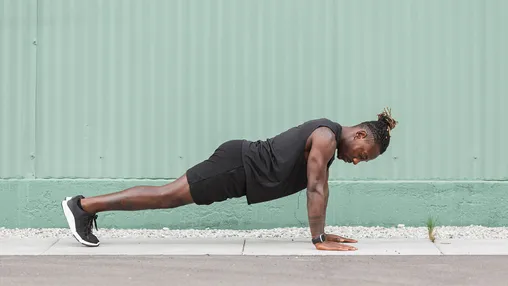
A hard workout does not make you stronger by itself. The growth happens after the set ends, when your body starts repairing the damage you earned on purpose. That is why Gym Recovery Habits matter so much for athletes, weekend lifters, runners, basketball players, and anyone in the USA trying to train without feeling broken by Thursday. Recovery is not laziness hiding in sweatpants. It is the quiet work that lets your next session have bite.
Many people treat rest like a reward they get only after grinding enough. Bad idea. A sharper approach is to build recovery into the training plan from day one, the same way smart brands build trust through steady, useful visibility with performance-focused digital strategy. Your body responds better when care is planned, not patched in after pain shows up. The goal is not to avoid effort. The goal is to make effort count more.
Gym Recovery Habits That Start Before You Leave the Training Floor
Recovery starts while the gym smell is still on your shirt. Waiting until bedtime to care about your body is like waiting until your car overheats before checking the oil. The first hour after training gives you a chance to calm your nervous system, replace what you spent, and signal to your body that the work is done.
Why Post Workout Recovery Begins With Cooling Down Properly
A proper cooldown is not a dramatic ritual. It is a controlled exit. After a heavy squat session, a fast treadmill run, or a hard pickup basketball game, your body is still running on stress signals. Your heart rate is high, your breathing is sharp, and your muscles are holding tension because they think the fight is still happening.
Five to ten minutes of easy movement helps bring the system down. A lifter might walk on a treadmill. A soccer player might cycle lightly. A swimmer might move through gentle laps. The point is not to burn more calories. The point is to shift out of high output without slamming the brakes.
Post workout recovery also works better when you stop treating stretching like a punishment for tight muscles. Light mobility after training can help you notice what feels restricted before it becomes tomorrow’s limp. A tight hip after deadlifts or a stiff ankle after court drills tells a story. Listen early, and the story stays short.
How Simple Hydration Choices Protect Muscle Repair
Sweat is not only water leaving the body. It carries sodium and other minerals that help muscles contract, nerves fire, and energy stay steady. In hot states like Texas, Florida, Arizona, and Georgia, the difference between a decent session and a drained one can come down to how well you replaced fluids.
Many gym-goers drink water only when thirst gets loud. That is late. A better habit is to drink steadily after training and pair water with food that brings electrolytes back into play. A turkey sandwich, eggs with potatoes, rice with grilled chicken, or a smoothie with milk and fruit can do more than a random sports drink grabbed at the gas station.
Muscle repair needs fluid because nutrients move through the body in that system. Dehydration makes the process clunky. You may still recover, but it feels slower and rougher. The counterintuitive part is that the best recovery drink is often not fancy. It is the one you will drink enough of, often enough, without turning it into a performance theater.
Build Sleep and Food Into Your Athlete Recovery Routine
The gym gets the applause, but sleep and food do the payroll work. You can train with perfect form and still stall if your nights are short and your meals look like accidents. An athlete recovery routine should feel ordinary enough to repeat, because the body trusts patterns more than dramatic fixes.
Why Sleep Is the Most Honest Recovery Tool
Sleep tells the truth about your training. If you are wired at midnight, waking up sore every day, or dragging through warmups, your body is giving feedback. Many Americans try to solve that with more caffeine and louder playlists. That may get you through one workout, but it will not build a durable body.
Most adults need a steady sleep window, not a heroic weekend catch-up. A 10:30 p.m. bedtime on most nights beats five short nights followed by a Saturday sleep marathon. Hormones tied to repair, appetite, reaction time, and mood all respond to sleep rhythm. Training quality follows.
The hard part is not knowing sleep matters. Everyone knows. The hard part is protecting it when late emails, streaming shows, and scrolling feel harmless. They are not harmless when they steal the hour your body needed to repair. A serious athlete recovery routine starts when you decide your last hour of the day belongs to tomorrow’s performance.
How Protein Timing Supports Muscle Repair Without Overthinking
Protein has become strangely dramatic in fitness culture. People argue about powders, grams, windows, and brands until the meal itself gets lost. The body does not need drama. It needs enough protein across the day, paired with enough total food to rebuild what training broke down.
For many active adults, spreading protein across meals works better than saving most of it for dinner. Eggs at breakfast, Greek yogurt after training, chicken at lunch, beans with rice, fish, tofu, lean beef, or cottage cheese can all fit. The best option depends on budget, schedule, appetite, and culture.
Muscle repair also needs carbohydrates. That fact still surprises people who were taught to fear carbs. A runner in Chicago doing winter treadmill miles, a high school football player in Ohio, and a CrossFit athlete in California all need fuel if they want repeatable output. Protein repairs the structure, but carbs help refill the tank. Ignore either one, and recovery starts limping.
Use Movement, Mobility, and Load Control to Stay Trainable
Rest does not always mean doing nothing. Sometimes the body recovers better through low-pressure movement that brings blood flow back without adding another bill to pay. The trick is knowing the difference between helpful motion and sneaky extra training.
How Active Recovery Keeps the Body From Locking Up
Active recovery should leave you feeling better than when you started. That sounds obvious, yet many people turn “easy day” into a secret workout. They plan a light bike ride and end up racing hills. They schedule a walk and turn it into a weighted march. Then they wonder why their legs still feel flat.
A useful active recovery day can be simple: a neighborhood walk, easy cycling, light swimming, or a casual mobility circuit at home. For someone who sits at a desk in Dallas or works long shifts in New Jersey, that movement can reduce stiffness and help the body feel less trapped between hard sessions.
The hidden benefit is mental. Low-pressure movement reminds you that fitness is not always about attack mode. Some days you train the habit of restraint. That matters more than most people admit, because athletes who cannot go easy often end up forced to stop.
Why Mobility Work Should Match Your Sport
Mobility work gets wasted when it becomes random. A golfer needs hips and upper back rotation. A runner needs ankles, calves, hips, and foot control. A powerlifter needs shoulder position for squats, hip control for pulls, and ankle range for depth. Different sports ask the body different questions.
A basketball player in Los Angeles who spends every session jumping and cutting does not need the same mobility plan as a recreational rower in Boston. The first may need ankle stiffness managed and hips opened after repeated change-of-direction work. The second may need thoracic motion and hamstring control after long seated pulling.
Post workout recovery improves when mobility answers the stress you created. That means you look at the session before choosing the drill. Heavy pressing? Give the shoulders and upper back attention. Sprinting? Check calves, hip flexors, and hamstrings. Random stretching may feel productive, but targeted work pays better.
Read Your Body Before Pain Starts Making Decisions
Pain is a loud teacher, but it is not the best one. By the time pain forces you to stop, smaller signals have often been talking for days. Strong recovery means learning the quieter language first: sleep changes, mood dips, weak grips, slow warmups, odd tightness, and a lack of snap.
How Tracking Fatigue Prevents Training From Turning Reckless
You do not need a lab to track fatigue. You need honesty. Rate sleep quality, soreness, mood, and training energy on a simple scale. Write down what changed. If your warmup weights feel heavy for three sessions in a row, that matters. If your resting heart rate jumps for no clear reason, that matters too.
Many athletes avoid tracking because they fear it will make training feel stiff. The opposite can happen. A few notes give you permission to adjust before you crash. A runner training for a half marathon in Denver may notice that poor sleep after late work nights makes speed sessions fall apart. That pattern is useful, not limiting.
An athlete recovery routine becomes stronger when it includes decision rules. If soreness is mild, train as planned. If movement quality drops, reduce load. If pain changes your form, stop that movement. Simple rules remove ego from the room, and ego causes plenty of bad reps.
When Rest Days Need to Be Protected Like Training Days
Rest days often get treated as empty space. That mindset ruins them. A rest day is not a blank spot on the calendar. It is a scheduled part of the adaptation process. When you keep filling it with “makeup” workouts, extra cardio, or heavy yard work, you are not being disciplined. You are interrupting the repair crew.
This is where stronger athletes often separate themselves from restless ones. They can leave gains alone long enough for the body to absorb them. A college volleyball player, a recreational marathoner, and a middle-aged dad lifting before work all need that same skill, even if their goals look different.
Gym Recovery Habits work best when rest is not emotional. You do not earn it by feeling destroyed. You plan it because progress requires room. Train hard, then step back with purpose. That step back is not weakness. It is where the next level gets built.
Conclusion
Recovery has a reputation problem because it looks quiet from the outside. No one claps when you go to bed on time, eat enough protein, drink water, walk instead of sprint, or end a workout before your form turns ugly. Still, those choices decide how much of your training turns into real progress.
The smartest athletes in America are not always the ones doing the most. They are often the ones who repeat the right work, recover from it, and return without dragging yesterday’s damage into today’s session. That is the standard worth chasing. Gym Recovery Habits give you a way to train with force while keeping enough control to last.
Start with one habit this week. Pick the weak link you already know about: sleep, food, hydration, cooldowns, mobility, or rest days. Fix that first, then build from there. Your next workout should not be proof that you can suffer. It should be proof that your body is ready.
Frequently Asked Questions
What are the best recovery habits after a gym workout?
Start with easy movement, steady hydration, protein-rich food, and enough sleep that night. Keep the first hour calm instead of rushing straight into stress. A short cooldown, a balanced meal, and a regular bedtime often beat expensive recovery tools.
How long should post workout recovery take after strength training?
Most people need 24 to 72 hours for trained muscles to feel ready again, depending on workout intensity, sleep, food, age, and training history. Mild soreness is normal, but sharp pain, weak performance, or poor movement quality means you need more recovery time.
What foods help muscle repair after exercise?
Protein-rich foods such as eggs, chicken, fish, Greek yogurt, beans, tofu, cottage cheese, and lean beef help rebuild tissue. Carbohydrates such as rice, potatoes, oats, fruit, and whole-grain bread help restore energy. A mixed meal usually works better than one isolated nutrient.
Is active recovery better than full rest?
Active recovery helps when your body feels stiff but not injured. Easy walking, cycling, swimming, or mobility work can increase blood flow without adding strain. Full rest is better when you feel sick, deeply fatigued, sleep-deprived, or sore enough that movement quality drops.
How many rest days should athletes take each week?
Most athletes do well with at least one full rest day weekly, though harder training blocks may require more. The right number depends on sport, age, stress, sleep, and training volume. Rest days should be planned before fatigue forces them.
Does stretching after the gym reduce soreness?
Stretching may help you feel looser, but it does not erase soreness by itself. Gentle mobility, cooldown movement, food, hydration, and sleep carry more of the recovery load. Stretching works best when it targets areas stressed during that specific workout.
Why do I feel weaker after several good workouts?
Strength can drop when fatigue builds faster than recovery. Poor sleep, low calories, dehydration, too many hard sessions, or stress outside the gym can all flatten performance. A lighter session or rest day often brings strength back better than forcing another hard workout.
What is the biggest mistake people make with gym recovery?
The biggest mistake is treating recovery as optional until pain appears. Smart athletes build recovery into the plan before soreness, fatigue, or poor performance take over. Progress comes from training stress plus repair, not training stress alone.