
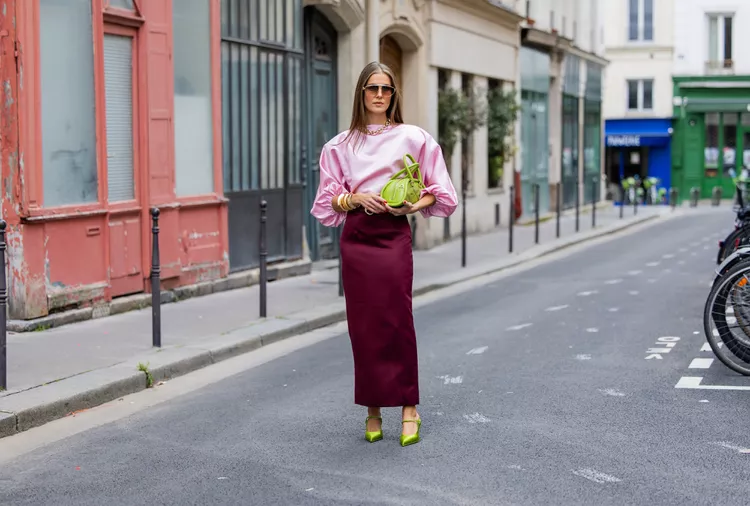
The wrong shirt can make a good jacket look tired before you reach the door. Most people do not need a bigger closet; they need sharper color matching tips that make the clothes they already own work harder. Across U.S. offices, college campuses, weekend brunch spots, and casual Friday meetings, color decides whether an outfit feels pulled together or slightly confused. Style is not only about brands or price tags. It is about control.
A navy sweater with washed denim feels calm. The same sweater with muddy brown pants can feel flat if the tones fight each other. That small difference is where better dressing begins, and it is also why thoughtful personal style decisions matter more than chasing every trend. Good color choices help you look intentional without looking overworked. They also save time on busy mornings because your closet starts to make sense. Once you understand contrast, balance, undertones, and setting, getting dressed feels less like guessing and more like editing.
Color Matching Tips Start With Contrast, Not Perfection
Color works best when you stop treating it like a strict rulebook. The first move is learning how much contrast your outfit needs for your face, body, and setting. Some people look sharp in high contrast, like black jeans with a crisp white shirt. Others look better in softer pairings, such as tan chinos with a cream knit.
Why High Contrast Outfits Feel Sharper
High contrast creates clear separation between pieces. That is why a black blazer over a white tee still works in cities like New York, Chicago, and Los Angeles, even when the outfit itself is simple. The eye understands the look fast. Nothing feels blurry.
The danger comes when contrast gets too harsh for the situation. A black suit, white shirt, and bright red tie may look strong at a formal event, but it can feel loud at a casual dinner. Strong contrast needs purpose. Without purpose, it starts acting like a costume.
How Low Contrast Outfits Create Quiet Confidence
Low contrast outfits use colors that sit close together in depth. Think olive pants with a charcoal sweater, or beige trousers with a soft brown jacket. These outfit color combinations feel relaxed because the eye moves smoothly from one piece to the next.
The quiet trick is texture. A cream cotton shirt and cream wool coat can work because the surfaces are different. If every piece has the same flat finish, the outfit may look dull instead of refined. Low contrast needs texture the way coffee needs heat.
Build Wardrobe Color Balance Around Anchors
A strong outfit usually has one anchor color doing most of the work. That anchor may be navy, black, gray, denim blue, camel, olive, or white. Once you choose it, the rest of the outfit should support it instead of competing for attention.
Neutral Outfit Colors Make Dressing Faster
Neutral outfit colors are not boring when they are chosen well. Navy, charcoal, cream, tan, white, denim, and black give you a steady base. They also make getting dressed easier because they repeat across seasons without looking dated.
A good U.S. example is the weekend uniform: light-wash jeans, white sneakers, and a navy overshirt. Nothing screams for attention, yet the outfit feels clean. The balance works because the colors already trust each other.
One Accent Color Is Usually Enough
Accent colors add personality, but too many can break the outfit. A forest green cap, burgundy loafers, or pale blue shirt can lift a neutral base without turning the whole look into a color contest. One accent gives the eye a place to land.
This is where many outfits fail. A person wears a bright jacket, patterned shoes, colorful socks, and a loud bag, then wonders why nothing feels right. The issue is not color itself. The issue is competition.
Use Undertones Before You Use Trends
Trends change fast, but undertones stay more honest. Some colors lean warm, such as camel, rust, ivory, and olive. Others lean cool, like icy blue, charcoal, black, and true white. When undertones fight, even expensive clothes can look off.
Warm Colors Need Soft Support
Warm colors look best with other colors that share some warmth. Camel coats pair well with cream sweaters, brown boots, olive pants, and faded denim. These wardrobe color balance choices feel natural because they sit in the same visual family.
A rust sweater with black trousers can work, but it often feels sharper than expected. Swap the black for dark brown or deep olive, and the look softens. Small changes like that make color feel less accidental.
Cool Colors Look Cleaner With Crisp Pieces
Cool colors often need sharper edges. A gray coat, white shirt, black jeans, and silver watch create a clean city look because the tones feel aligned. That kind of outfit fits well in a Seattle office, a Boston coffee shop, or a winter dinner in D.C.
Cool outfits can turn cold if every piece feels severe. Add denim, suede, or a softer knit to bring the look back to earth. Style should have structure, not stiffness.
Match Color Choices To Season, Setting, And Mood
Good color is not fixed. A palette that looks perfect in October may feel heavy in July. The best dressers adjust their color choices to the season, the room, and the message they want to send.
Seasonal Color Choices Keep Outfits Current
Seasonal color choices help your wardrobe feel alive without chasing every new trend. Spring supports soft blue, cream, sage, and light denim. Summer works well with white, sand, faded green, and pale gray. Fall welcomes brown, olive, burgundy, and camel. Winter handles charcoal, navy, black, ivory, and deep green.
The counterintuitive part is that you do not need a new closet each season. You need a few color shifts. A white tee under a navy jacket feels fresh in spring. The same jacket over a charcoal knit feels right in winter.
Occasion Changes What Colors Say
Color has social weight. A bright orange hoodie may look great at a weekend game, but it can feel careless at a dinner where everyone else dressed softly. A black outfit may look polished at night and too heavy at a daytime picnic.
Better outfits respect the room without losing personality. For work, muted outfit color combinations usually create trust faster. For weekends, richer accents can show taste without trying too hard. For dates, softer contrast often feels more approachable than sharp formal color blocks.
Conclusion
Great style rarely comes from owning more clothes. It comes from seeing your clothes more clearly. When you understand contrast, anchors, undertones, and setting, color stops feeling risky. It becomes one of the easiest ways to look sharper with less effort.
The strongest color matching tips are not about memorizing a wheel or copying a celebrity outfit. They are about noticing what your clothes are already saying. A navy jacket can say calm. A burgundy shoe can say confidence. A cream sweater can soften your whole presence before you speak.
Start with one outfit this week. Pick a neutral anchor, add one supporting color, and remove anything fighting for attention. Then look in the mirror and ask one simple question: does this feel intentional? If the answer is yes, you are already dressing better than most people rushing after trends. Build from that, one clean choice at a time.
Frequently Asked Questions
What are the easiest color matching tips for beginners?
Start with neutral outfit colors like navy, white, gray, black, denim, tan, and cream. Build one outfit around two neutrals, then add one accent if needed. This keeps the look clean while helping you learn color balance without feeling overwhelmed.
Which outfit color combinations work for everyday wear?
Navy and white, black and gray, olive and cream, denim and tan, and charcoal with light blue work well for daily outfits. These outfit color combinations feel natural in casual, office, and weekend settings because they give contrast without looking loud.
How do I know if warm colors suit me?
Warm colors usually suit you if camel, olive, cream, rust, and brown make your skin look healthier. If those shades make you look tired, try cooler colors like charcoal, navy, crisp white, and slate blue instead.
Are neutral outfit colors good for stylish dressing?
Neutral outfit colors are excellent for stylish dressing because they create a clean base. The key is fit, texture, and contrast. A simple gray coat, white shirt, dark jeans, and clean sneakers can look stronger than a loud outfit with no direction.
How many colors should one outfit have?
Most outfits look best with two to three main colors. One anchor color should lead, one color should support it, and one accent can add interest. More than that can work, but it takes stronger control and a clear reason.
What seasonal color choices work best in fall?
Fall works well with olive, camel, chocolate brown, burgundy, cream, dark denim, and charcoal. These seasonal color choices match the heavier fabrics people wear during cooler months, so the outfit feels grounded instead of forced.
Can I wear black and brown together?
Black and brown can look sharp together when the brown is rich and intentional. Dark chocolate boots with black jeans work better than faded brown shoes with a black suit. The pairing needs contrast, texture, and confidence.
How do I make colorful clothes look mature?
Pair colorful clothes with quieter pieces. A green sweater looks more mature with dark denim and brown boots than with several bright items. Let one color lead, then keep the rest of the outfit controlled and simple.