
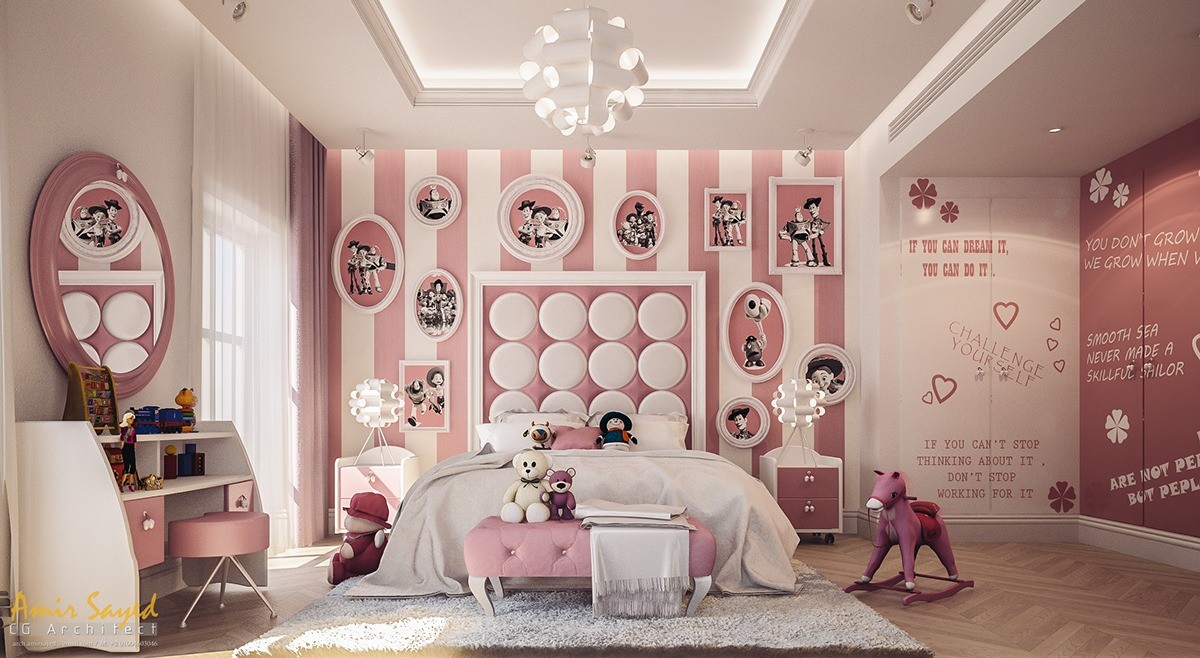
A child’s room should never feel like a tiny showroom where nothing can be touched. The best kids room ideas begin with one simple truth: children need rooms that can handle mess, movement, sleep, stories, homework, and sudden bursts of imagination without falling apart by Friday. For many American families, that means designing smarter, not larger.
A playful bedroom does not need a huge budget or a house with extra square footage. It needs zones that make sense, storage a child can use, colors that support energy and calm, and furniture that grows instead of becoming useless after one birthday. Parents searching for practical home inspiration often want the same thing: a room that looks good in photos but still works on a regular school morning.
Good design respects real life. A backpack lands somewhere. Toys migrate. Laundry appears like it has a secret engine. When the room gives every daily habit a place to go, the space starts helping instead of fighting you.
Kids Room Ideas That Balance Play, Sleep, and Daily Routines
A playful children’s bedroom can still feel peaceful at bedtime. That balance matters because kids do not shift from high-energy play to deep sleep just because a parent says it is time. The room itself has to guide that shift through layout, lighting, and simple visual cues.
How Can a Play Zone Stay Fun Without Taking Over the Room?
A play area works best when it has a clear boundary. That boundary does not need to be a wall. A washable rug, low shelf, small table, or corner tent can tell a child, “This is where the action happens.” That quiet signal keeps toys from swallowing the bed, closet, and walkway.
Many parents make the mistake of spreading toys across the entire bedroom because they want the room to feel open. The result often feels more chaotic, not freer. A defined play zone gives children permission to make a mess in one spot, which makes cleanup less emotional later.
A real example is a shared bedroom in a small Ohio ranch home where two siblings used one corner for blocks, costumes, and stuffed animals. Their parents added a low cube shelf beside the rug and placed only six toy bins there. The kids played more because they could see what they owned, and cleanup stopped turning into a nightly argument.
The unexpected part is that fewer visible toys often create better play. Children do not need every toy in sight. They need enough choice to start a story without drowning in options.
Why Bedtime Areas Need a Different Mood Than Play Areas
The bed should feel separate from the loudest parts of the room, even when square footage is tight. A soft lamp, calm bedding, and a small book basket can make that side of the room feel slower. Children read those signals faster than adults realize.
Bright wall decals, toy baskets, and climbing elements directly beside the bed can keep a child’s brain awake. That does not mean the bed area must look boring. It means the strongest visual energy belongs somewhere else.
In many U.S. homes, especially apartments and newer townhomes, bedrooms have one overhead light that blasts the whole room. Add a warm bedside lamp or plug-in wall light instead. The child learns that overhead light means daytime activity, while softer light means the day is closing.
A room can be playful without shouting from every corner. The smartest spaces know when to quiet down.
Storage That Children Can Actually Use
Storage fails when it is built for adults and then blamed on kids. A five-year-old will not maintain a closet system that requires perfect folding, hidden drawers, and matching labels. Good storage meets children at their height, their habits, and their attention span.
What Makes Toy Storage Work for Real Families?
Toy storage should be low, open, and easy to reset. Clear bins, picture labels, and shallow baskets beat deep toy chests almost every time. Deep chests hide everything, invite dumping, and turn cleanup into digging.
A better system uses fewer categories. Blocks in one bin. Cars in one bin. Art supplies in one lidded box. Stuffed animals in one soft basket. Children understand broad groups faster than detailed sorting rules.
One family in Texas used a wall of matching bins for every toy type, but their kids ignored the labels. When they switched to four large floor baskets, the room stayed cleaner. The system looked less perfect, but it worked better.
That is the point parents sometimes miss. The best kids storage solutions are not the ones that impress adults. They are the ones children can repeat on a tired Tuesday night.
How Can Closets Grow With the Child?
A child’s closet should change as the child changes. Adjustable rods, stackable drawers, and removable baskets allow the space to shift from toddler clothes to school uniforms, sports gear, and weekend outfits. Fixed systems often look neat at first, then become awkward within two years.
Lower hanging rods help younger kids choose clothes without pulling everything down. A second upper rod can hold seasonal items or dress clothes. As the child grows, the lower rod can move or disappear.
American families also deal with climate variety. A child in Minnesota may need snow pants and bulky coats, while a child in Florida may need swim gear and lightweight uniforms. Closet storage should reflect the actual life outside the bedroom door.
A smart closet teaches independence. When a child can reach socks, pajamas, and school clothes, mornings become less parent-powered. Not perfect. Better.
Color, Furniture, and Decor That Keep the Room Flexible
Children change taste fast. Dinosaurs become soccer. Rainbows become space. Princess themes become “please take that down” before you have finished paying off the furniture. Flexible design saves money because the expensive parts stay neutral while the playful details can change.
Which Colors Make a Kids Room Feel Playful Without Feeling Loud?
Color works best when it has a job. Soft wall colors create calm, while brighter colors shine through bedding, art, rugs, and small decor. This approach gives the room personality without locking the family into one intense theme.
A navy wall, warm white trim, and mustard accents can feel adventurous without becoming noisy. Sage green with wood furniture can feel outdoorsy and calm. Blush, cream, and clay tones can feel sweet without looking babyish.
The common mistake is painting every wall in the child’s current favorite color. A full neon-green bedroom may thrill a seven-year-old for one week, then make the room harder to sleep in. Use strong color where it can be changed without repainting the whole room.
Paint is cheaper than furniture, but time matters too. A flexible palette gives parents breathing room.
How Can Furniture Support Play Without Wasting Space?
Furniture should earn its footprint. A bed with drawers, a desk that doubles as an art table, or a bench with hidden storage can make a small room feel larger. Pieces that only serve one narrow purpose often become clutter with legs.
For younger children, rounded edges and sturdy construction matter more than trendy design. For older kids, a real desk and comfortable chair become more useful than another toy shelf. A room should grow toward the next stage, not freeze the child at the age they are now.
A family in California turned a narrow bedroom into a better study-and-play space by replacing a wide dresser with under-bed drawers and wall hooks. That single swap opened floor space for a small reading mat. Nothing fancy happened. The room simply stopped wasting its middle.
The counterintuitive truth is that playful rooms need some empty space. Empty floor is not unfinished design. It is where childhood happens.
Personal Touches That Make the Room Feel Like Theirs
A child’s room should not look like an adult guessed their personality from a catalog. Personal touches give the room its heartbeat. The trick is letting children have real input without handing them total design control over every permanent choice.
How Do You Add Personality Without Creating Visual Chaos?
Choose a few places where personality can be loud. A gallery wall, display shelf, pinboard, bedding pattern, or reading corner can carry the child’s interests. The rest of the room can stay calmer so those details have room to breathe.
Children love seeing their own work displayed. Frame one painting. Hang a rotating art wire. Give trophies, LEGO builds, or craft projects a defined shelf. When everything is displayed, nothing feels special. When display space is limited, children learn to choose what matters.
This also helps parents who dislike clutter but do not want the room to feel cold. The room can honor the child without turning every surface into a museum of unfinished projects.
A personal room does not need more stuff. It needs better editing.
Why Should Kids Help Make Small Design Decisions?
Children care for spaces they feel connected to. Letting them choose between two bedding options, pick a reading chair color, or decide which art gets framed gives them ownership. The choices should be real but bounded.
A parent might say, “Do you want the blue rug or the green rug?” That works better than, “What rug do you want?” Boundaries protect the budget while still respecting the child’s voice.
In a New Jersey family home, a child who hated cleaning started putting books away after choosing the reading corner basket herself. The basket was not magical. Ownership changed the behavior.
That small shift matters. Design is not only about how the room looks. It shapes how children move, choose, rest, and take responsibility inside their own little world.
Conclusion
A playful child’s room should make daily life feel lighter, not more fragile. Parents often chase the perfect theme first, but the stronger move is to design around behavior. Where does the child read? Where do toys land? What makes bedtime harder? What helps mornings start with less friction?
The best kids room ideas are built from those answers. They respect the child’s imagination, but they also respect the parent who has to vacuum, sort laundry, find missing shoes, and get everyone out the door before school. Beauty matters, but usefulness keeps the room alive after the first week.
Start with one zone instead of the whole room. Fix the toy corner, soften the bed area, lower the closet rod, or create a small display space your child can help shape. One smart change often reveals the next one.
Build a room your child can use, not a room they are afraid to disturb.
Frequently Asked Questions
What are the best creative kids room ideas for small bedrooms?
Use zones, vertical storage, and furniture with more than one purpose. A low shelf, under-bed drawers, wall hooks, and a compact desk can free up floor space. Keep the main color calm, then add playful details through bedding, art, and rugs.
How do I design a playful kids room on a budget?
Start with paint, lighting, storage, and rearranging what you already own. Swap expensive themed furniture for affordable decor that can change later. A new rug, framed child artwork, peel-and-stick decals, and better toy baskets can shift the whole mood.
What colors work best for a playful children’s bedroom?
Soft base colors with brighter accents work well. Warm white, sage, pale blue, clay, beige, or muted gray can calm the room. Add stronger color through pillows, wall art, curtains, or bedding so the space feels fun without becoming too loud.
How can I make a kids room easier to keep clean?
Use storage your child can reach without help. Shallow bins, picture labels, open baskets, and simple categories make cleanup easier. Avoid deep toy chests because they invite dumping. Keep fewer toys out and rotate extras when the room starts feeling crowded.
What furniture should every kids room have?
Most children need a comfortable bed, reachable storage, good lighting, and a surface for reading, drawing, or homework. A dresser, small desk, bookshelf, or storage bench may help depending on age. Choose sturdy pieces that can grow with the child.
How do I create separate play and sleep areas in one room?
Use rugs, lighting, shelves, or furniture placement to create visual boundaries. Keep active toys away from the bed when possible. Place books, soft lighting, and calmer textures near the sleeping area so the room naturally shifts toward rest at night.
How can siblings share a kids room without constant clutter?
Give each child a personal zone, even if it is small. Separate bins, individual shelves, labeled drawers, and personal wall space reduce conflict. Shared toys can stay in one common area, while special items need a clear home that belongs to one child.
How often should I update a child’s room design?
Small updates every year work better than major makeovers every few years. Children’s interests change fast, so keep furniture and wall colors flexible. Update art, bedding, storage labels, or display shelves as their needs shift through school, hobbies, and growth.