
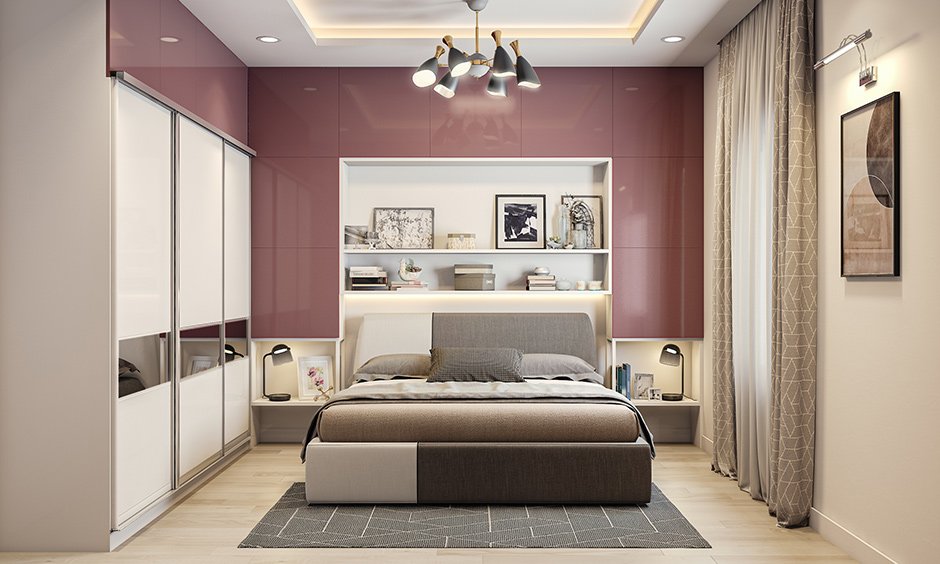
A flat bedroom can feel unfinished even when the furniture is good, the bedding is clean, and the room technically has everything it needs. The missing piece is often the wall your eye meets first. Bedroom accent wall ideas work because they give the room a point of view without forcing you to replace every piece you already own. For many American homes, especially rentals, townhomes, starter houses, and older suburban bedrooms, that matters.
A strong wall choice can make a small room feel intentional, a plain builder-grade bedroom feel designed, or a tired primary suite feel personal again. You do not need a full remodel to get there. A single painted wall, wood trim layout, peel-and-stick mural, or framed fabric panel can shift the entire mood. For readers who enjoy smart home upgrades and design inspiration, creative home improvement resources can help connect small visual changes with bigger lifestyle goals.
The trick is not picking the loudest idea. It is choosing the wall treatment that fits your room’s light, size, furniture, and daily habits. A bedroom should calm you down, not compete for attention when you are trying to rest.
Bedroom Accent Wall Ideas That Start With Color
Color is the fastest way to change a bedroom because it needs less money, less time, and less disruption than most design upgrades. Still, paint can go wrong when people treat it like a random favorite shade instead of a tool that shapes mood, proportion, and depth.
Soft Paint Colors That Make the Bedroom Feature Wall Feel Calm
Muted color often works better than bold color in a bedroom because the space has a job to do. A bedroom feature wall behind the bed should give your eyes somewhere to land without making the room feel loud at night. Soft clay, warm taupe, dusty blue, sage, mushroom, and muted charcoal can all create depth while keeping the space restful.
A homeowner in a small Chicago condo, for example, might not want a deep black wall because winter light is already limited. A smoky green or warm greige behind a cream upholstered bed can add shape without darkening the entire room. That kind of restraint is not boring. It is mature design.
Flat paint can look rich, but eggshell often holds up better in homes with kids, pets, or frequent cleaning. The wall behind a bed collects dust, scuffs, and pillow marks faster than people expect. A soft finish with a washable formula gives you beauty without turning upkeep into a weekly annoyance.
Dark Accent Wall Designs That Add Shape Without Shrinking the Room
Dark accent wall designs scare people because they think dark color always makes a room smaller. That is not always true. A dark wall behind the bed can push the wall back visually, which may make the bed area feel deeper and more grounded.
The key is contrast control. A navy wall paired with white bedding, pale oak nightstands, and brass lamps can look crisp instead of heavy. A charcoal wall with black furniture, black curtains, and dark bedding may feel like a cave unless the room has strong daylight and enough texture to break up the darkness.
One useful rule is to keep the darkest color on the wall with the largest furniture piece. In most bedrooms, that means the bed wall. The bed already carries visual weight, so the wall color feels anchored rather than random. Paint the wall across from the bed in a dark shade, and you may wake up staring at a surface that feels closer than it is.
Texture, Trim, and Bedroom Wall Decor With Real Character
Paint changes mood, but texture changes memory. The rooms people remember usually have some surface detail that catches shadow during the day and feels layered at night. Bedroom wall decor works best when it has dimension, not when it tries to fill empty space with more stuff.
Board and Batten for a Statement Bedroom Wall
Board and batten remains popular in American bedrooms because it solves several problems at once. It adds pattern, covers plain drywall, frames the bed, and gives the room a custom feel without demanding luxury-level spending. In a newer subdivision home, where every room may start with the same beige walls and white trim, this can make the bedroom feel less copied.
The spacing matters more than most people think. Thin strips placed too close together can look busy behind pillows and lamps. Wider panels often feel calmer, especially in a primary bedroom. If your ceiling is low, vertical battens can help draw the eye upward and make the room feel taller.
A counterintuitive move is painting the trim and wall the same color. Many people expect contrast, but tone-on-tone trim feels more expensive and less crafty. A warm white board and batten wall can look coastal. A deep olive version can feel tailored. Same structure, different personality.
Fabric, Upholstery, and Soft Bedroom Wall Decor
Fabric walls do something paint cannot do. They soften sound. That matters in bedrooms with hardwood floors, thin walls, street noise, or echo from minimal furniture. A padded wall panel behind the bed can act like a visual headboard and a quieting layer at the same time.
This works well in apartments in cities like New York, Seattle, or Boston, where bedrooms may be compact and noise travels through older buildings. Instead of hanging a dozen small art pieces, one upholstered panel can make the bed area feel finished and calmer. Linen, boucle, velvet, and canvas each bring a different mood.
Removable fabric panels can also help renters. A tension-mounted or lightweight framed fabric panel gives the look of a custom wall without permanent damage. The unexpected benefit is flexibility. When you move, the panel can move with you, unlike paint that has to be covered before inspection.
Pattern, Art, and Materials That Change the Room’s Mood
Once color and texture are handled, pattern becomes the next design tool. Pattern can make a bedroom feel romantic, modern, moody, playful, or collected. The danger is using pattern as decoration only, instead of letting it guide the room’s whole rhythm.
Wallpaper and Murals That Feel Personal, Not Busy
Wallpaper has moved far beyond tiny repeated prints. Today’s peel-and-stick options make it easier for renters and cautious homeowners to experiment with a bedroom feature wall without committing to years of regret. Botanical murals, soft geometric prints, vintage-inspired florals, and abstract washes can all work if they fit the room’s scale.
Scale is where many bedrooms go wrong. A tiny print can look nervous on a large wall. A huge mural can overwhelm a narrow room if the furniture is also heavy. The safest path is to match pattern size to wall size. Larger walls can carry bigger movement. Smaller walls often need quieter pattern with more breathing room.
A mural behind a bed can also replace art. This saves money because you do not need a headboard, gallery wall, and statement print all fighting for attention. Let one surface lead. The rest of the room should respond.
Wood, Stone, and Natural Accent Wall Designs
Natural materials bring weight into a bedroom, but they need care. Wood slats, reclaimed boards, limewash, stone veneer, and plaster finishes can look beautiful when they fit the house. They can also look forced when added without connection to the home’s age, location, or architecture.
A ranch house in Arizona may carry a warm plaster wall better than a cold gray shiplap wall. A cabin-style home in Colorado can handle reclaimed wood with ease. A suburban Florida bedroom may look fresher with white oak slats than rustic barn boards. The room tells you what it can carry, if you pay attention.
Wood slat walls have one clear strength: they bring vertical rhythm. They can make a low room feel taller and give a plain bed wall a clean architectural line. The mistake is covering every surface with the same material. A little wood feels warm. Too much can turn a restful bedroom into a sauna showroom.
Practical Choices for Renters, Small Rooms, and Real Budgets
The best bedroom update is the one you can live with after the weekend excitement fades. Cost, maintenance, rental rules, sunlight, and furniture layout all matter. A beautiful idea that fights your life is not a design win.
Renter-Friendly Statement Bedroom Wall Options
Renters need a different kind of creativity because the wall has to look good now and disappear later. Peel-and-stick wallpaper, removable decals, large framed textiles, leaning art, temporary wood-look panels, and oversized canvas pieces can all create a statement bedroom wall without risking a security deposit.
One smart rental trick is using the bed itself as part of the wall design. A tall headboard, two plug-in sconces, and one wide art piece above the bed can create the effect of an accent wall without touching much paint. In older rentals with uneven walls, this approach hides flaws rather than drawing attention to them.
Command strips and removable hooks help, but weight still matters. Heavy mirrors and oversized frames can become a problem fast. Lightweight canvas, fabric, foam-backed panels, and paper-based designs are safer choices. A renter-friendly wall should not make you nervous every time you hear something shift behind the bed.
Small Bedroom Accent Wall Ideas That Do More With Less
Small bedrooms reward discipline. One clear wall idea beats five competing ones every time. In a 10-by-10 bedroom, a painted arch behind the bed, narrow wood trim frame, soft mural, or single dark wall can add personality without stealing floor space.
The bed wall is usually the best target because it creates order. When the bed, nightstands, lamps, and wall treatment all work together, the room feels designed even if it has limited square footage. That is why small bedrooms often look better with one strong choice than with scattered decor across every wall.
Mirrors can help, but they should not be placed carelessly. A mirror on the accent wall may bounce light, but it can also reflect clutter or glare from a window. Better placement often means putting the mirror on a side wall where it catches daylight without becoming the first thing you see from bed.
Conclusion
A bedroom does not need a dramatic renovation to feel fresh. It needs one honest decision that fits the way you sleep, dress, read, relax, and move through the space. The wall behind your bed can carry color, texture, pattern, or material, but it should never feel like a random design dare.
The strongest bedroom accent wall ideas are the ones that make the room feel more like you while still protecting the calm a bedroom deserves. A soft painted wall can be enough. A wood trim design can add structure. A mural can turn a plain rental into a place with mood. The point is not to impress guests who may never see the room. The point is to make the room feel settled every time you walk in.
Start with the wall your eyes already notice, choose one design direction, and let that single surface carry the change with confidence.
Frequently Asked Questions
What is the best wall for a bedroom accent wall?
The wall behind the bed is usually the best choice because it naturally anchors the room. It frames the largest furniture piece and creates a clear focal point without disrupting sleep. Avoid choosing a wall with too many doors, windows, or visual interruptions.
What color works best for a small bedroom feature wall?
Soft neutrals, muted greens, dusty blues, warm taupes, and gentle clay shades work well in small bedrooms. These colors add depth without making the space feel tight. Dark colors can also work if the bedding and furniture bring enough contrast.
Are peel-and-stick accent wall designs good for renters?
Peel-and-stick designs can be a strong renter-friendly option when the wall surface is smooth and clean. Choose quality materials, test a hidden area first, and avoid applying them over peeling paint. Lightweight murals and decals are often safer than heavy textured panels.
How can I make a statement bedroom wall without paint?
Large fabric panels, oversized artwork, removable wallpaper, tall headboards, plug-in sconces, and framed textiles can create a strong wall effect without paint. This approach works well for rentals, dorm-style spaces, or homeowners who want an easy seasonal change.
Does a dark accent wall make a bedroom look smaller?
A dark accent wall does not always make a room look smaller. When placed behind the bed, it can add depth and make the room feel more grounded. The key is balancing it with lighter bedding, simple furniture, and enough natural or layered lighting.
What bedroom wall decor works best above a bed?
Wide art, framed textiles, sculptural panels, or a pair of balanced prints often work well above a bed. The piece should relate to the bed width, not float too small above it. Avoid heavy items in earthquake-prone areas or above beds used by children.
Can wood slats work in a modern bedroom?
Wood slats can look clean and modern when the spacing, finish, and wall placement are controlled. Light oak feels airy, while walnut adds depth. Use slats on one wall only, because wrapping the room can make the bedroom feel crowded and overdesigned.
How do I choose between wallpaper and paint for an accent wall?
Paint is better when you want a simple, low-cost mood shift. Wallpaper works better when the room needs pattern, movement, or a stronger point of view. Choose paint for flexibility and wallpaper for personality, especially when the furniture is simple.