
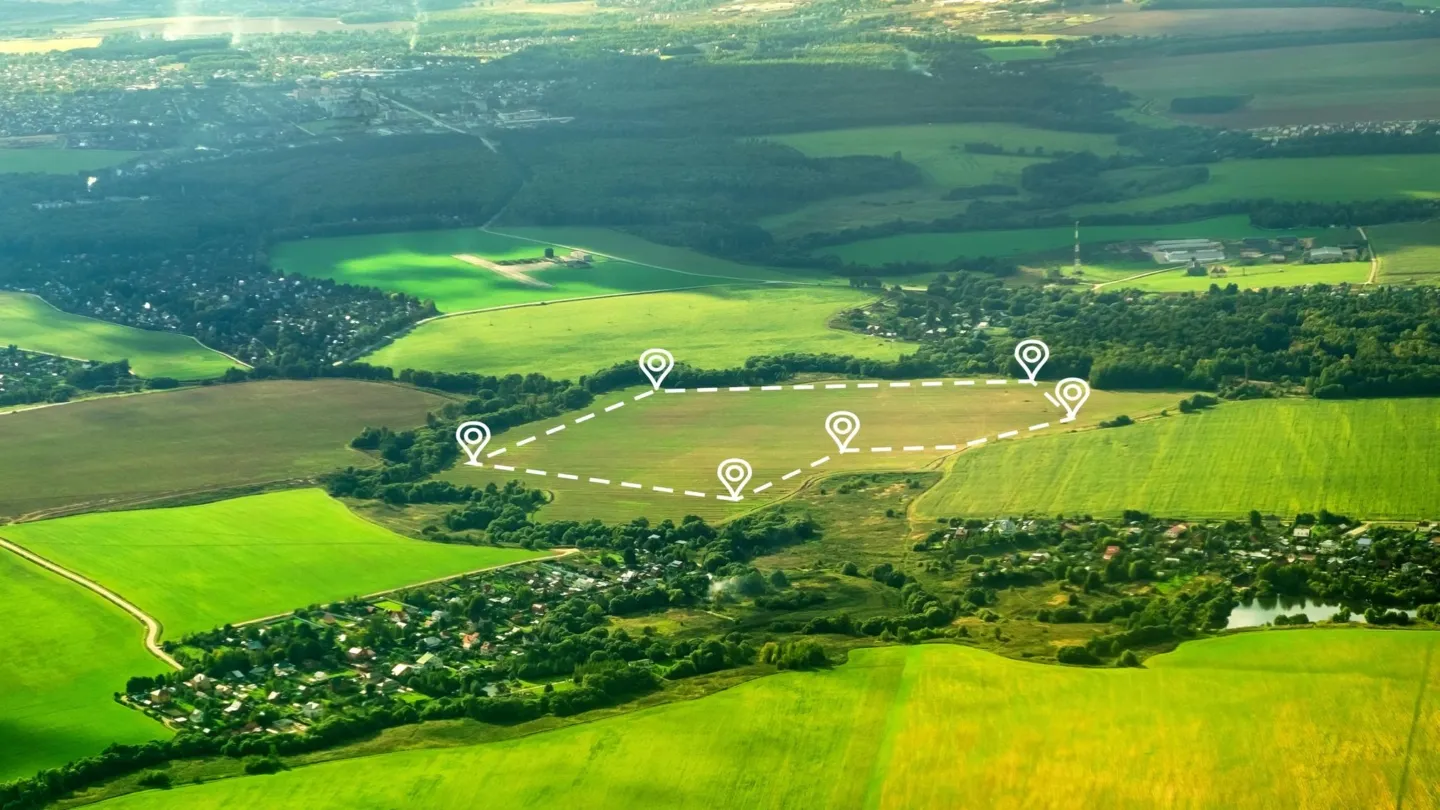
A cheap piece of land can look like freedom until the hidden costs start talking. Many first-time buyers fall in love with acreage, a road view, or a low price before asking whether the property can actually support the plan in their head. That is where Land Buying Tips matter most: they force you to slow down before your money gets trapped in dirt you cannot build on, divide, farm, rent, or resell. In the U.S., land is not one simple asset class. A half-acre infill lot in Ohio, a desert parcel in Arizona, and ten wooded acres in North Carolina all come with different rules, risks, and buyer traps. Smart investors treat land like a business decision, not a daydream. They check access, zoning, utilities, title, soil, flood exposure, taxes, and exit options before signing. Good property investment guidance helps you think beyond the listing photos and ask the harder question: what will this land let me do after closing?
Start With the Use, Not the Acreage
Raw land attracts people because it feels simple. No tenants, no roof leaks, no broken furnace, no late-night repair calls. That simplicity can fool you, because land value depends on what the property allows, not how peaceful it looks from the road.
Match the Parcel to a Real Investment Plan
A careful buyer starts with one clear use before comparing properties. You might want to build a single-family home, hold the parcel for long-term appreciation, lease it for farming, place a manufactured home, create a small campground, or divide it into smaller lots. If your goal involves investing in pre-construction, you also need to consider the property’s development potential, zoning rules, infrastructure, and expected timeline. Each plan changes what you need to verify.
Buying land in the USA means dealing with rules that can change from one county to the next. A parcel that works for a cabin in rural Tennessee may fail for the same purpose in a Colorado mountain county because of slope, driveway permits, snow access, or wildfire rules.
The mistake is thinking, “I will figure it out later.” Later is expensive. A buyer who knows the end use first can reject bad-fit land early, before survey fees, attorney reviews, loan applications, and emotional attachment start piling up.
Separate Beauty From Buildable Value
Pretty land sells fast because people make emotional decisions outdoors. A creek, tree line, open meadow, or mountain view can make a buyer overlook dull facts that carry more weight. Road frontage, legal access, utility distance, drainage, and zoning often matter more than scenery.
Land investment for beginners works best when the buyer treats beauty as a bonus, not the foundation of the deal. A wooded lot with no legal driveway easement may be worth far less than a plain lot with paved road access and water nearby.
One counterintuitive truth: the most boring parcel can be the smarter buy. Flat land near existing homes, with clear access and predictable local rules, may beat a dramatic rural parcel that needs $80,000 in site work before anything useful can happen.
Careful Land Buying Tips for Due Diligence
The first serious test of a land deal happens before you negotiate price. Due diligence is where the fantasy either becomes a workable investment or falls apart quietly. A careful investor does not hope the land checks out. They verify it.
Confirm Legal Access Before Anything Else
A parcel without legal access can become a financial trap. Some listings say “road nearby” or “easy access,” but that does not prove the buyer has a recorded right to reach the property. Physical access and legal access are not the same thing.
Vacant land due diligence should begin with the deed, survey, plat map, and county records. You want to know whether the property touches a public road or has a recorded easement across another property. A handshake agreement with a neighbor is not enough.
This is where many beginners get burned. They buy cheap land online, then discover the road crossing another owner’s land is informal, disputed, blocked, seasonal, or never legally recorded. At that point, the low purchase price stops looking clever.
Check Utilities, Soil, Water, and Flood Risk
Utilities can turn a cheap parcel into an expensive one. Electricity at the road is different from electricity half a mile away. Public water nearby is different from a guaranteed water tap. A septic system depends on soil conditions, local health rules, and a successful perc test.
Property zoning rules may also control whether you can install a mobile home, build a tiny home, create an accessory dwelling, run a short-term rental, or use the land for commercial activity. Never trust the listing alone. Call the county planning office and ask direct questions.
Flood risk deserves the same attention. FEMA flood maps, local drainage history, wetlands, and low-lying areas can affect building options and insurance costs. Land that looks dry in July may tell a different story after a spring storm.
Study the Local Market Like a Seller
Land investors often think like buyers for too long. They ask whether they like the parcel, whether the price feels fair, and whether the seller seems motivated. Better investors ask a colder question: who will want this land after me?
Compare Real Sold Parcels, Not Asking Prices
Asking prices can be fantasy numbers. A seller can list rural acreage for any amount they want, especially in areas where land sells slowly. Sold prices tell the truth because they show what actual buyers paid.
Buying land in the USA requires local comparison. Look for parcels with similar acreage, road access, zoning, terrain, utilities, and distance to services. A five-acre parcel with public road frontage should not be compared with twenty landlocked acres behind a locked gate.
The quiet insight here is that land markets are often thin. One sale can mislead you. Three or four recent sales may still be imperfect, but they give you a more honest range than a listing page full of hopeful sellers.
Understand the Exit Before You Enter
A good land deal includes a practical exit. You may plan to hold for ten years, but life changes. Cash needs change. Local development slows. A better opportunity appears. Before closing, ask how hard it would be to sell the parcel within six to twelve months.
Land investment for beginners should focus on parcels with clear buyer demand. That might mean residential lots near growing suburbs, small acreage near weekend recreation areas, farmland with rental demand, or infill lots where builders already work.
A parcel with a narrow buyer pool is not always bad, but it must be priced that way. Remote recreational land can sit for months because the right buyer needs cash, patience, and a specific dream. Your profit can vanish while you wait.
Protect Your Money With Professional Checks
Land feels easier than buying a house, so some buyers skip professional help. That shortcut can work on a simple low-cost deal, but it can also expose you to title defects, boundary disputes, unpaid taxes, and unusable property. The dirt may be simple. The paperwork rarely is.
Use Title Work, Surveys, and Local Expertise
Title work helps confirm that the seller has the right to sell and that hidden claims do not follow the land after closing. Liens, unpaid taxes, old easements, mineral rights, access agreements, and ownership mistakes can all affect value.
Vacant land due diligence often needs a survey, especially when boundaries are unclear or improvements are planned. Fence lines, tree lines, and old driveways do not always match legal property lines. A survey can prevent a costly argument with a neighbor later.
Local professionals matter because land rules are intensely local. A real estate attorney, surveyor, soil tester, planning officer, or experienced land agent can spot issues a distant buyer will miss. Paying for one expert review can save years of regret.
Budget Beyond the Purchase Price
The purchase price is only the first number. Closing costs, title insurance, surveys, perc tests, driveway permits, utility extensions, clearing, grading, wells, septic systems, property taxes, HOA dues, and insurance can change the deal fast.
Property zoning rules can also create indirect costs. If the county requires a minimum home size, engineered driveway, stormwater plan, or special permit, your timeline and budget may stretch. A bargain parcel can become a slow paperwork project.
A smart investor builds a margin before making an offer. If the land only works when every cost stays low, the deal is fragile. Strong land purchases leave room for surprises because surprises are part of the land business.
Conclusion
Careful investors do not buy land because it feels peaceful. They buy it because the facts support the plan. The best deals usually look less dramatic at first glance, but they hold up under pressure: clear access, legal use, workable utilities, clean title, sensible taxes, and an exit market that makes sense. That is the real discipline behind Land Buying Tips. You are not trying to win a dream parcel. You are trying to avoid owning a problem that cannot easily be fixed. Before you sign, slow the process down. Call the county. Walk the property. Read the deed. Check the maps. Price the improvements. Talk to people who know the local market. Then decide with a clear head. Land can be a strong long-term asset, but only when patience leads the purchase. Make the land prove itself before your money does.
Frequently Asked Questions
What should beginner investors check before buying land?
Start with legal access, zoning, utilities, soil, flood risk, title status, taxes, and recent sold prices. A parcel can look affordable but still fail your plan if you cannot build, reach it legally, install septic, or resell it easily.
How do I know if vacant land is buildable?
Call the county planning or zoning office and ask about permitted uses, setbacks, minimum lot size, road requirements, water, septic, and flood restrictions. Then confirm soil suitability, utility access, and any deed restrictions before making a final offer.
Is rural land a good investment for first-time buyers?
Rural land can work, but it demands patience and stronger due diligence. Buyers must check access, local demand, utility costs, road maintenance, and resale timing. Cheap rural land is not always a deal if few future buyers want it.
What makes a land parcel hard to resell?
Poor access, unclear boundaries, no utilities, steep terrain, wetlands, restrictive zoning, high taxes, and weak local demand can slow resale. Land with a narrow buyer pool may still sell, but it often needs a lower price and more time.
Should I get a survey before buying land?
A survey is wise when boundaries are unclear, fences look questionable, or you plan to build. It helps confirm lot lines, easements, encroachments, and usable space. Skipping it can lead to neighbor disputes or costly design changes after closing.
Can I buy land without a real estate agent?
You can, but you still need strong protection. At minimum, consider a real estate attorney, title company, surveyor, and county planning confirmation. An experienced land agent can also help spot access, zoning, and valuation issues early.
What hidden costs come with buying land?
Common hidden costs include surveys, title insurance, perc tests, wells, septic systems, driveway installation, utility extensions, clearing, grading, permits, property taxes, HOA fees, and legal review. These costs can exceed the purchase price on some parcels.
How much cash should I keep aside after buying land?
Keep enough for due diligence, closing costs, taxes, maintenance, and early improvement work. A safe reserve depends on location and use, but land buyers should avoid spending every dollar at closing because site problems often appear later.