
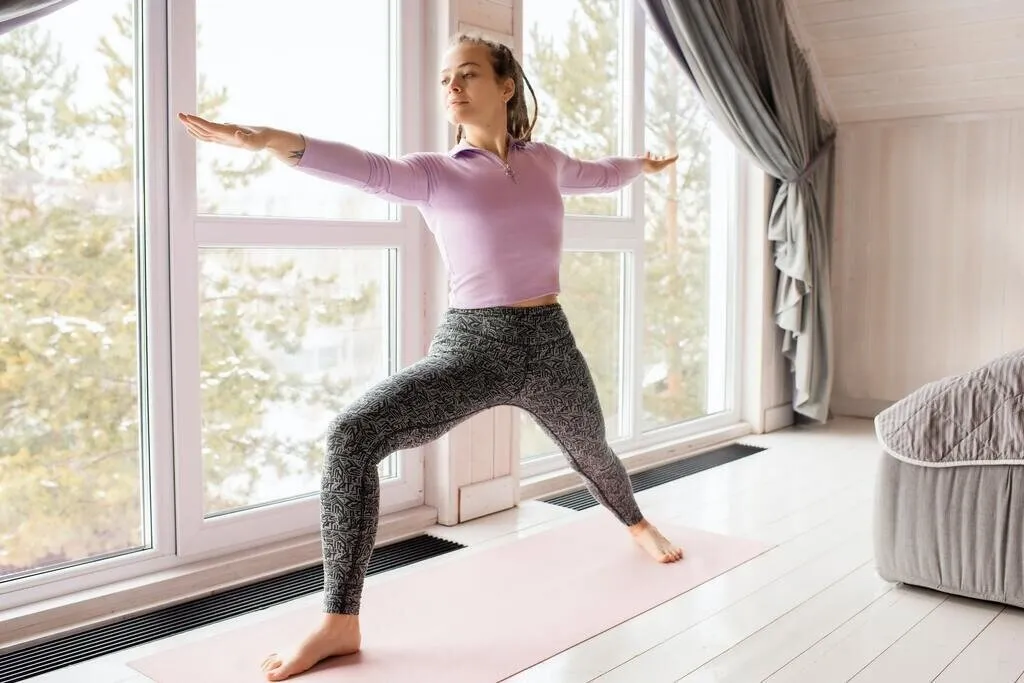
Most people do not need a harder workout; they need a kinder starting line. Beginner Yoga Habits can give your body that starting line without turning movement into another stressful item on your calendar. Across busy American homes, apartments, offices, and small-town routines, flexibility often gets treated like a bonus. It is not. It shapes how you sit, walk, sleep, lift groceries, climb stairs, and recover after long hours at a desk. Yoga works best for beginners when it feels repeatable, not impressive. Ten calm minutes on a mat in a Denver apartment can matter more than one dramatic class you never repeat. A flexible body grows from trust, patience, and small choices that show up often. For readers building a healthier routine around work, family, and personal wellness, daily movement guidance can help turn scattered effort into steady progress. The goal is not to twist your body into a photo-worthy pose. The goal is to feel more at home in the body you already have.
Building Beginner Yoga Habits That Fit Real Life
A new yoga routine fails when it asks too much too soon. The better path starts with small moves that slide into your current day instead of demanding a whole new identity. A beginner in Ohio with two kids and a full-time job needs a routine that survives laundry, school pickup, and dinner cleanup.
Start With a Time Slot Your Life Will Respect
Morning yoga sounds peaceful until the alarm rings after a late night. Evening yoga sounds easier until your couch wins. The best time is the one your real life will protect, even on an ordinary Tuesday.
For many beginners, that means pairing yoga with something already fixed. Stretch after brushing your teeth. Do three poses after coffee brews. Roll out the mat before your first email. This habit stacking removes the mental fight because the routine has a trigger.
A five-minute session still counts. That might feel too small, but small is often what keeps a routine alive. Your body learns through contact, not through grand plans. A short daily rhythm beats a perfect schedule that collapses by Friday.
Keep Your First Routine Almost Too Easy
Early yoga should feel so manageable that skipping it seems unnecessary. Start with child’s pose, cat-cow, low lunge, and a gentle forward fold. These moves cover the spine, hips, hamstrings, and breath without asking for advanced strength.
A beginner in a small Chicago apartment does not need blocks, straps, incense, or a studio wall. A towel on carpet can work. A quiet corner near the bed can work. Your setup matters less than your willingness to return.
The counterintuitive truth is that easy sessions build deeper discipline than intense ones. When yoga feels safe, your nervous system stops treating it like a threat. That calm response is what makes the next session easier to begin.
Creating Flexibility Without Forcing Your Body
Flexibility is not a battle against tight muscles. It is a conversation with tissues, joints, breath, and patience. Push too hard and the body protects itself. Move with care and the body starts to soften on its own terms.
Use Gentle Stretching Routines Before Deep Poses
Gentle stretching routines help beginners build range without turning every pose into a test. A seated forward fold with bent knees can do more good than a locked-leg stretch filled with strain. Comfort is not weakness; it is feedback.
Many adults in the USA sit for long hours in cars, offices, classrooms, and home workspaces. That lifestyle shortens the front of the hips and stiffens the back body. A simple low lunge after work can release more tension than a complicated pose sequence.
Stay in each stretch long enough to breathe, but not long enough to argue with pain. A mild pull is fine. Sharp sensation is not. Your body does not become more flexible because you bully it; it opens because it trusts the request.
Let Breath Decide How Far You Go
Breath is the quiet coach beginners often ignore. If your breathing turns shallow, your body has likely gone too far. Pull back until you can breathe through the nose or keep a calm rhythm.
In a pose like downward-facing dog, bent knees can be smarter than straight legs. The aim is not to flatten your heels. The aim is to lengthen the spine, soften the shoulders, and let the back of the body wake up.
One useful rule is simple: move on the exhale and pause on the inhale. This keeps the pace honest. It also gives the mind something steady to follow, which matters when your body feels awkward in a new shape.
Making Yoga Practice for Beginners Safe and Steady
A safe start creates confidence. A rushed start creates doubt. Beginner Yoga Habits should teach your body that movement can feel steady, useful, and personal, even if you have not exercised in years.
Respect Joint Comfort Before Chasing Range
Yoga practice for beginners should never make the knees, wrists, neck, or lower back feel trapped. If a pose pinches, change the angle. If pressure builds in a joint, use support or leave the pose.
For wrist discomfort, try fists, forearms, or a folded towel under the heel of the hand. For knees, add a cushion under low lunges. For lower back sensitivity, keep the knees bent in forward folds and avoid forcing twists.
A useful real-world example is the office worker who tries yoga after months of back stiffness. The mistake is jumping into deep stretches. The better move is spinal mobility, hip opening, and core awareness. Relief often comes from control before depth.
Build Body Awareness Through Slow Repetition
Fast yoga can hide poor patterns. Slow yoga exposes them kindly. Repeating a small set of poses gives you a chance to notice which side feels tighter, where balance slips, and when your breath changes.
A beginner home yoga routine can follow the same path three or four times a week: cat-cow, downward-facing dog, low lunge, standing forward fold, bridge pose, and a short rest. Repetition removes guesswork and lets progress show up quietly.
The unexpected lesson is that boredom can be useful. When the routine stays familiar, the body stops spending energy figuring out what comes next. That is when attention moves inward, where the real learning happens.
Turning Simple Yoga Exercises Into a Lasting Lifestyle
A lasting yoga routine does not depend on motivation. Motivation rises and falls with weather, mood, sleep, and stress. A durable routine depends on cues, comfort, and a reason that feels personal enough to keep.
Connect Yoga to Daily Energy Instead of Appearance
Simple yoga exercises work best when you connect them to how you want to feel, not how you want to look. Better sleep, easier stairs, fewer stiff mornings, and calmer evenings are stronger motivators than a mirror goal.
A parent in Texas may notice that five minutes of stretching before bed makes the next morning less stiff. A remote worker in Seattle may find that a lunch-break sequence clears the fog better than another cup of coffee. These are small wins, but they anchor the habit.
Appearance-based goals can turn yoga into pressure. Feeling-based goals make it part of care. That shift matters because adults keep doing what gives them relief they can notice in daily life.
Use Recovery Days Without Quitting the Routine
Rest does not mean the habit is broken. It means the body gets a different kind of support. On tired days, your full routine can become three minutes of breathing, legs up the wall, or a relaxed child’s pose.
This is where many beginners get stuck. They miss one session and decide the week is ruined. That all-or-nothing mindset kills more routines than lack of time ever will.
A flexible habit bends. It does not snap. When your schedule gets messy, shrink the session instead of canceling it. That single choice teaches consistency without punishment, which is the heart of long-term health.
Conclusion
Your body does not need a dramatic reset to feel better. It needs honest movement, repeated often enough to become familiar. Yoga gives beginners a rare kind of doorway because it meets strength, breath, balance, and calm in one place. The practice can start on a bedroom floor, beside a couch, or in a quiet corner before work. No studio membership has to come first. No perfect outfit has to appear. The deeper value of Beginner Yoga Habits is that they help you notice your body before it has to shout for attention. That awareness can change how you sit, sleep, recover, and handle stress. Start with a routine you can repeat on your worst average day, not your best imagined one. Choose three or four poses, breathe without rushing, and let progress arrive without making noise. Roll out the mat today, even for five minutes, and give your future body something kind to build on.
Frequently Asked Questions
What are the best beginner yoga poses for flexibility at home?
Start with cat-cow, child’s pose, low lunge, seated forward fold, bridge pose, and reclining twist. These poses support the spine, hips, hamstrings, and lower back without needing advanced balance or strength. Move slowly and keep each stretch comfortable.
How often should beginners do yoga for healthy living?
Three to five short sessions per week works well for most beginners. Daily practice can help, but it should stay gentle at first. A repeatable ten-minute routine often brings better results than one long weekly session that leaves you sore.
Can beginner yoga help with back stiffness from sitting?
Yes, gentle yoga can reduce sitting-related stiffness by moving the spine, opening the hips, and easing tension around the lower back. Cat-cow, low lunge, bridge pose, and supported twists are useful starting points for desk workers and drivers.
Do I need yoga equipment to start a home routine?
A yoga mat helps, but it is not required at the beginning. A towel, carpeted space, cushion, or folded blanket can support many poses. Blocks and straps can help later, but consistency matters more than gear.
How long should a beginner yoga session last?
Ten to twenty minutes is enough for a beginner session. Shorter sessions are also useful when time is tight. The goal is to build a routine your body accepts and your schedule can hold without stress.
What should beginners avoid during yoga practice?
Avoid sharp pain, forced stretching, locked joints, and comparing your range to someone else’s. Skip poses that strain the knees, wrists, neck, or lower back. Modify early and often so your body learns safety before intensity.
Is morning or evening better for beginner yoga?
Morning yoga can reduce stiffness and set a calmer tone for the day. Evening yoga can release tension and support sleep. The better choice is the time you can repeat without rushing, guilt, or constant schedule conflict.
Can yoga improve flexibility if I am not naturally flexible?
Yes, flexibility can improve with patient, steady practice. Natural flexibility is not required. Beginners often progress by learning to breathe, relax excess tension, and repeat simple poses with care over weeks and months.