
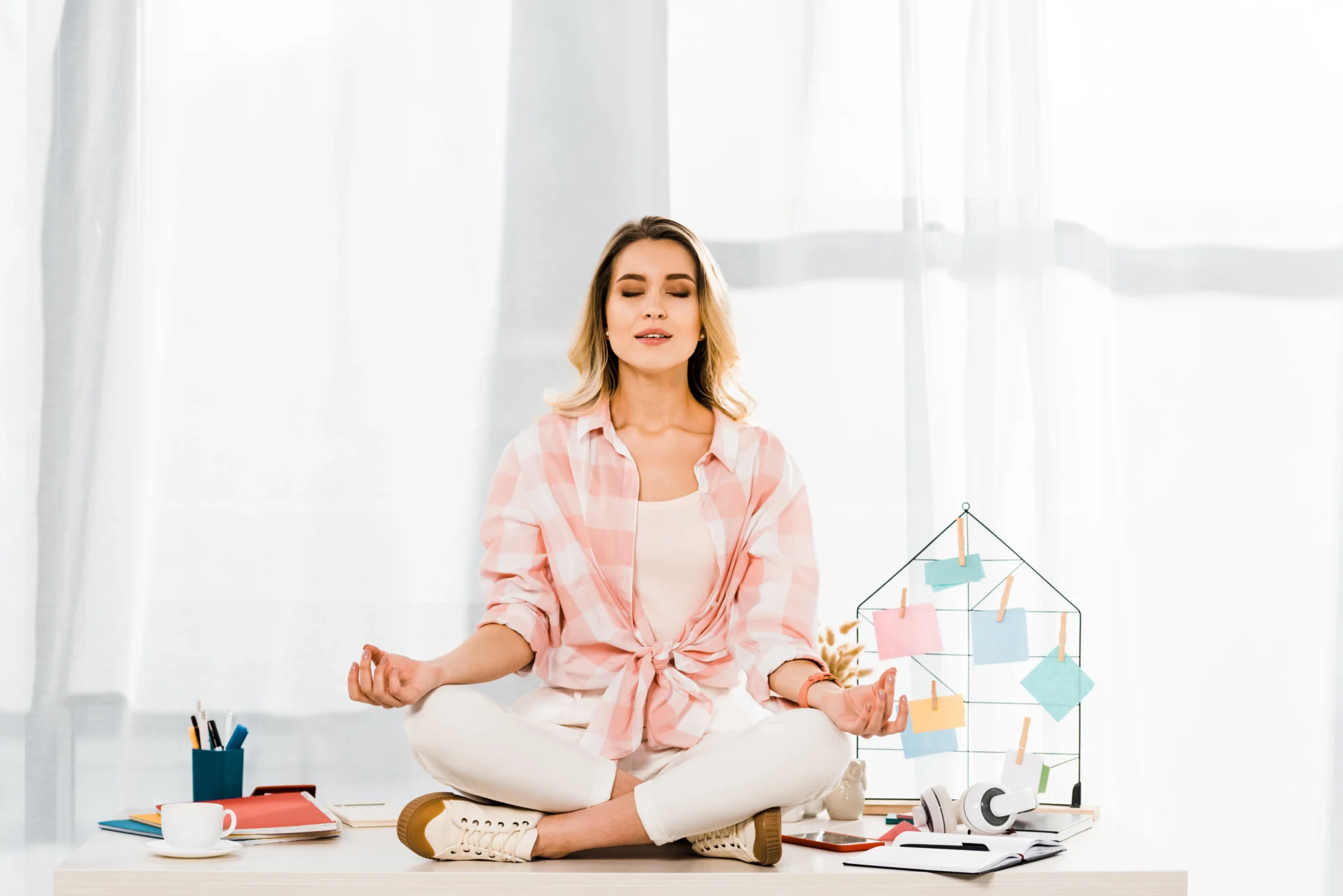
Modern life can make a calm person feel stretched before lunch. For many working adults in the United States, stress management tips are no longer nice little wellness extras; they are survival tools for handling bills, deadlines, family needs, health worries, and the nonstop noise of screens. The problem is not always one huge crisis. Often, it is the pileup of small pressures that never fully turns off.
That is where better daily choices matter. A calmer life does not come from quitting your job, moving to the woods, or becoming a different person overnight. It comes from building practical habits that fit inside real American routines: the commute, the office, the grocery run, the school pickup, the late email, and the quiet moment before bed. Resources like practical wellness guidance can help adults think more clearly about small changes that support a steadier life.
Stress will not disappear. That is not the goal. The goal is to stop letting stress run the whole room.
Stress Management Tips That Begin With Your Daily Signals
Most adults wait too long to notice stress. They spot it after the headache, the sharp reply, the tight chest, the bad sleep, or the third cup of coffee that still does not help. Better control begins earlier, when the body first starts raising its hand.
Notice the First Physical Clues
Your body usually speaks before your thoughts catch up. Tight shoulders, shallow breathing, jaw pressure, stomach tension, and restless hands can all show up before you say, “I feel stressed.” These signs are not random. They are the body preparing for pressure, even when the pressure is an inbox instead of an actual threat.
A real-world example is the adult who starts every Monday by opening work email before breakfast. The heart rate rises, the jaw locks, and the day begins in defense mode. Nothing dramatic happened yet, but the body already received the message: danger first, breakfast second.
A better move is to pause for one minute before reacting. Name the signal plainly: “My shoulders are tight,” or “My breathing is short.” That small act creates distance between the stress and your next choice. You are no longer inside the pressure without a handle.
Separate Real Pressure From Mental Noise
Modern adults carry two kinds of stress. One is real pressure: rent, childcare, medical bills, work deadlines, aging parents, and household responsibilities. The other is mental noise: replaying old conversations, predicting disaster, checking messages every few minutes, and treating every small delay like proof that life is falling apart.
The second kind often steals more energy than the first. A delayed text from your boss may mean nothing. Your mind may still build a full courtroom case before noon. That is not planning. That is mental weather pretending to be truth.
Try writing one sentence when stress spikes: “The actual problem is…” This forces the mind to land on facts. “I have a report due by 4 p.m.” is workable. “Everything is a mess” is fog. Adults do not need more fog. They need one clean next step.
Build Calming Habits Into Ordinary Moments
A calmer life rarely comes from one big reset. Most people do not have two free hours for a perfect morning routine. They have scattered minutes between obligations, and those minutes count more than they think.
Use Breathing as a Reset, Not a Performance
Breathing advice can sound silly until you notice how often stress changes your breath. Under pressure, many adults breathe high in the chest, hold air without realizing it, or sigh all day without feeling rested. The body reads that pattern as danger.
A simple reset works better than a complicated technique. Inhale through your nose for four counts, exhale slowly for six, and repeat for one minute. The longer exhale helps tell the nervous system that the emergency level can come down.
This can happen in a parked car before walking into work, in a restroom before a hard conversation, or at the kitchen sink after the kids finally settle. No candle. No app. No perfect silence. The counterintuitive part is that imperfect practice often works better because you are training calm inside the actual life you have.
Protect Small Transitions During the Day
Transitions are where stress sneaks in. You end one task and rush into the next without clearing the mental space between them. Work ends, but your mind stays at work. Dinner starts, but your attention is still in a message thread. Bedtime arrives, but the body still thinks it is solving problems.
Give yourself tiny boundaries between roles. Sit in the car for two minutes before entering the house. Walk around the block after work before opening the front door. Take three slow breaths before joining a meeting. These small pauses tell the brain, “That part is over. This part starts now.”
One nurse in Ohio might use the drive home to replay every hard moment from a shift. Another might choose the final traffic light as a reset point: hands loosen, shoulders drop, breath slows. Same commute. Different landing.
Reduce Stress Triggers You Keep Feeding
Many adults think stress only comes from outside them. Some of it does. Yet a surprising amount grows because daily systems keep feeding it. A messy schedule, poor sleep boundaries, constant phone checks, and skipped meals can turn normal pressure into a much heavier load.
Stop Letting Your Phone Set Your Mood
Phones are useful tools, but they are terrible emotional managers. A person can wake up feeling fine, then become tense within five minutes because of news alerts, work messages, social posts, and random opinions from strangers. That is a rough way to hand over your nervous system.
The fix does not have to be dramatic. Keep the phone away from the bed. Delay checking messages for the first 20 minutes after waking. Turn off alerts that do not need immediate action. Put social apps in a folder instead of on the home screen.
This is not about being less informed. It is about choosing when your mind opens the gate. A calmer morning often starts with refusing to let a glowing rectangle decide your first emotion of the day.
Make Decisions Before Stress Makes Them for You
Decision fatigue is real in daily life, even if people rarely call it by that name. After a long workday, choosing dinner, answering texts, paying bills, and planning tomorrow can feel heavier than the tasks themselves. Stress loves a tired brain because a tired brain picks the easiest option, not the best one.
Prepare a few low-pressure defaults. Keep three simple dinners you can make without thinking. Set bills on reminders. Choose work clothes the night before. Keep a short list of tasks for the next morning instead of waking up to a vague cloud of responsibilities.
A parent in Texas who plans two weeknight meals ahead is not chasing perfection. They are removing two future arguments with stress. Less friction means more patience, and patience is often what modern adults are truly running out of.
Strengthen the Life Around Your Stress
Stress feels worse when the rest of life is thin. When sleep is poor, movement is rare, food is rushed, and relationships are neglected, even normal pressure hits harder. Stronger foundations do not make you untouchable. They make you harder to knock over.
Move Your Body Before Stress Gets Stuck
Stress is physical. It does not live only in thoughts. It settles into the neck, back, stomach, legs, and breath. Movement helps complete the stress cycle, especially for adults who spend hours sitting at desks, in cars, or on couches after draining days.
You do not need a full gym plan to feel a shift. A 15-minute walk after dinner, light stretching before bed, or a quick set of bodyweight exercises can help release built-up tension. The point is not athletic achievement. The point is giving your body a way to spend the pressure it has been carrying.
One overlooked benefit is emotional honesty. During a walk, people often realize what is actually bothering them. The mind softens when the body moves. That is why some problems feel less impossible after a lap around the neighborhood.
Keep Connection Practical and Honest
Stress grows in isolation. Many adults hide pressure because they do not want to sound weak, needy, or dramatic. So they carry everything alone, then wonder why small problems start feeling enormous.
Connection does not need to be a long emotional speech. It can be a short text to a friend, a walk with a spouse, a check-in with a sibling, or a plain sentence like, “I have had a rough week, and I do not need fixing. I need to say it out loud.” That kind of honesty lowers the temperature.
American culture often praises independence, but nobody regulates stress well in total isolation. People need people. Not constantly. Not perfectly. But often enough to remember they are not handling life from a locked room.
Conclusion
A better relationship with stress starts when you stop treating calm as something you earn after everything is finished. Everything will not be finished. There will always be another bill, another meeting, another family need, another headline, another task waiting its turn. The stronger choice is to build calm into the middle of ordinary pressure.
That means noticing body signals early, creating small transitions, protecting your attention, moving tension through the body, and telling the truth to someone safe before stress hardens into resentment. These choices look small from the outside, but they change the way a day feels from the inside.
The best stress management tips do not ask you to become flawless. They ask you to become more aware, more intentional, and less willing to abandon yourself when life gets loud. Start with one habit today, repeat it tomorrow, and let that small act become proof that your peace deserves a place in your schedule.
Frequently Asked Questions
What are the easiest stress relief habits for busy adults?
Start with habits that take less than five minutes. Slow breathing, a short walk, drinking water, writing one clear next step, or turning off phone alerts can lower pressure without needing a full routine. Small habits work because busy adults can repeat them.
How can adults manage work stress at home?
Create a clear transition after work. Close your laptop, silence work alerts, change clothes, or take a brief walk before starting home responsibilities. The brain needs a signal that one role has ended. Without that signal, work stress follows you into every room.
Why does stress feel worse at night?
Night removes distractions, so unfinished thoughts get louder. Fatigue also weakens patience and problem-solving. A short evening routine helps: dim lights, write tomorrow’s top tasks, avoid stressful scrolling, and give your body a consistent cue that the day is ending.
What is a quick breathing technique for stress?
Try inhaling through the nose for four counts and exhaling slowly for six counts. Repeat for one minute. The longer exhale helps calm the body’s stress response. It works best when practiced during normal moments, not only during intense pressure.
How can I reduce stress without spending money?
Use what is already available: walking, stretching, breathing, journaling, sleep boundaries, and honest conversations. Stress control does not require expensive products. It requires repeatable actions that lower tension before it takes over your mood and choices.
Can exercise help with daily stress?
Yes, movement helps release physical tension and supports a steadier mood. Walking, light strength training, cycling, dancing, or stretching can all help. The goal is consistency, not intensity. Even 10 to 15 minutes can change how stress feels in the body.
How do I know when stress is becoming unhealthy?
Stress may be unhealthy when it affects sleep, appetite, patience, focus, relationships, or physical comfort for many days in a row. Frequent headaches, chest tightness, anger, withdrawal, or constant worry are signs to take seriously and discuss with a qualified professional.
What should I do when stress feels overwhelming?
Lower the moment first. Sit down, slow your breathing, drink water, and name the exact problem in one sentence. Then choose one next action. When stress feels unmanageable or unsafe, contact a trusted person, local support service, or medical professional right away.