
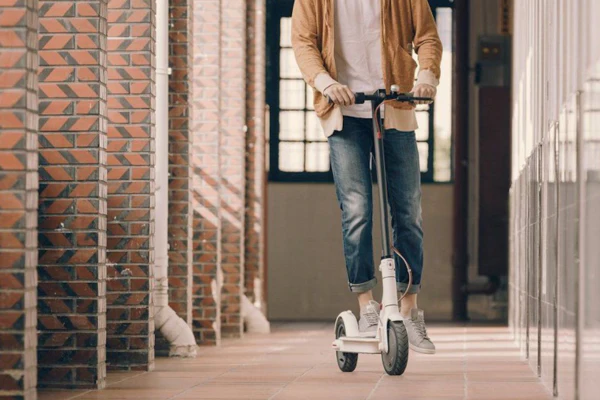
City streets reward calm riders, not fearless ones. If you are new to two-wheel commuting, the smartest scooter riding tips are less about looking skilled and more about building habits that keep you upright, visible, legal, and relaxed when traffic gets messy. A short ride to work, campus, the subway, or a grocery store can feel simple until a delivery van blocks the bike lane or a pothole appears beside a parked car. That is where preparation matters. For urban commuters in the USA, scooter use sits in a strange space between convenience and risk, especially as more riders share roads with cars, buses, cyclists, and pedestrians. Good guidance from a trusted source like safer local commuting advice can help new riders think beyond the machine and pay attention to the full street environment. The goal is not to ride scared. The goal is to ride with a plan, because confidence without a plan turns into bad judgment fast.
Build Control Before You Trust the Street
The first mistake many new riders make is treating a scooter like a toy because it feels small. Size lies. A scooter can still throw your balance, expose you to traffic, and punish small errors, especially when the road surface changes under your wheels. Control has to come before speed, shortcuts, or daily commuting pressure.
Practice Low-Speed Balance Before Your First City Scooter Commute
Low-speed riding tells the truth about your skill. Anyone can feel steady once the wheels roll smoothly, but parking-lot turns, curbside starts, and slow stops reveal whether your hands and body work together. Find an empty school lot on a weekend, a quiet office park, or a wide driveway where you can ride without pressure.
Start with slow circles in both directions. Then practice stopping with both feet landing softly, not stomping down like you are saving yourself from a fall. That small habit matters later when a pedestrian steps off the curb in Chicago, Phoenix, or Queens and you need to stop without wobbling into traffic.
Urban scooter safety begins before you enter traffic because the street gives you less room to recover. Practice starting from a full stop, looking over your shoulder, and holding a straight line while turning your head. New riders often drift when they check behind them. That tiny drift can put your wheel into a lane seam, a parked bumper, or another rider’s path.
Learn Braking Feel Before You Need It
Braking is not one move. It is a conversation between speed, pavement, body weight, and timing. New riders often grab the brake too hard when they panic, especially on electric scooters with sharp response or on gas scooters with more weight behind them.
Practice gentle braking first, then firmer braking from a safe speed. Keep your knees soft and your upper body quiet. A stiff rider turns a normal stop into a fight with the handlebars, and the scooter usually wins that argument.
Wet paint, metal plates, loose gravel, and fallen leaves can change the whole feel of a stop. A rider in Seattle after rain or Boston after street repairs faces a different road than someone on clean, dry pavement in suburban Arizona. The counterintuitive lesson is simple: the safest brake is often the one you applied earlier, not harder.
Read Traffic Like a Local, Not a Passenger
Once you can control the scooter, the real work begins. Urban riding is not about reacting to what is already in front of you. It is about reading what is likely to happen next. Cars, buses, pedestrians, dogs, delivery drivers, and distracted commuters all create patterns if you learn how to watch.
Spot Door Zones and Blind Corners During Urban Scooter Safety Checks
Parked cars create one of the most common city hazards. A driver can swing a door open without seeing you, and your lane can vanish in half a second. Stay out of the door zone whenever the road gives you space, even if the painted bike lane tempts you to ride too close.
Look through parked cars, not only at them. Brake lights, exhaust, front wheels turning outward, or someone sitting in the driver’s seat can tell you a door or sudden pullout is coming. This kind of attention feels slow at first, but it becomes automatic with time.
Blind corners deserve the same respect. Alleys, parking garages, gas stations, apartment driveways, and restaurant pickup zones all hide movement until it is too late. A scooter rider in downtown Los Angeles or Atlanta may pass dozens of these spots in one mile. The smart rider treats each one as a possible conflict point, not empty space.
Ride Where Drivers Can Predict You
Drivers make fewer mistakes around riders who act in clear, readable ways. That does not mean you should ride timidly. It means you should avoid sudden swerves, last-second lane changes, and half-committed movements that make drivers guess.
Hold your line when it is safe. Signal early if your scooter has signals, and use hand signals when needed. Make your turns clean, not dramatic. The more predictable you are, the less mental work you create for everyone around you.
Beginner scooter riders sometimes hug the far edge of the road because they want to stay out of the way. That can backfire. Riding too close to gutters, debris, drainage grates, or broken pavement gives you fewer escape options. In some moments, a slightly stronger lane position is safer because it makes you visible and discourages unsafe passing.
Dress for the Fall You Never Plan to Have
Clothing feels personal until pavement gets involved. Then it becomes equipment. A quick errand may not seem worth gear, but crashes do not care whether you were riding two miles or twenty. City riding exposes you to sharp curbs, rough asphalt, car mirrors, and unpredictable stops.
Choose Gear That Beginner Scooter Riders Will Actually Wear
The best gear is the gear you will wear every ride. A helmet should fit snugly, sit level, and meet a recognized safety standard. A loose helmet is decoration, not protection. Gloves matter too, because hands usually hit the ground first when a rider falls.
Closed-toe shoes with grip beat sandals, slides, and loose sneakers. A rider heading to class in Austin or commuting to a train station in New Jersey may not want heavy gear, but there are middle-ground choices. Light gloves, a fitted helmet, a wind-resistant jacket, and sturdy shoes can protect without making the ride feel like a costume change.
Bright clothing helps during the day, but reflective details matter more at dusk, dawn, and night. Black jackets disappear against wet pavement and shadowed intersections. Visibility is not about looking cautious. It is about giving drivers less excuse to miss you.
Match Your Gear to Weather and Road Texture
Weather changes the rules fast. Rain does more than make you wet. It hides potholes, lifts oil from the road, and turns painted lines into slick strips. Cold weather stiffens your hands and slows your reactions. Heat can tempt riders to skip gear, which is when a short slide can become a long recovery.
A simple commuter kit can live in a backpack or under-seat storage if your scooter has it. Keep a thin rain shell, clear eye protection, a small cloth for wiping lights, and a phone charger. Add a compact tire gauge or basic tool kit if your scooter type supports it.
The unexpected part is that comfort improves safety. A rider who is cold, soaked, blinded by glare, or distracted by loose clothing makes worse choices. Good gear does not only protect you after a mistake. It helps prevent the mistake in the first place.
Know Rules, Routes, and Daily Habits Before They Cost You
A scooter commute works best when it feels boring in the right way. You know the route, the legal limits, the rough intersections, and where you will park. That kind of boring is powerful. It removes guesswork from moments where guesswork can hurt.
Check Electric Scooter Rules Before Riding Across Town
Electric scooter rules vary across the USA, and they can change from one city to the next. Some places limit where you can ride, how fast you can go, whether helmets are required, and where scooters can be parked. A legal ride in one neighborhood may be a ticket risk a few blocks away.
Check your city’s transportation department before making a daily route. Look for rules on sidewalks, bike lanes, speed limits, parking zones, and age requirements. College towns, downtown business districts, beach areas, and transit hubs often have their own restrictions.
A rider in Washington, D.C., may face different expectations than someone in Denver or Miami. Do not rely on what another rider says at a stoplight. Local rules are part of your route planning, the same way traffic lights and road closures are.
Build a Route That Protects Your Focus
The fastest route is not always the best route. A road with fewer turns, smoother pavement, lower speeds, and better lighting may save more stress than a direct route packed with buses and ride-share pickups. Time saved means little if every block feels like a negotiation.
Test your commute during a quiet hour before using it during rush time. Notice where drivers block lanes, where delivery trucks stop, where bike lanes end, and where the pavement breaks near intersections. Mark one backup route in case construction or weather changes the day.
City scooter commute planning also includes parking. Locking, charging, storage, and theft risk all affect the ride. A safe trip can still end badly if you leave your scooter blocking a sidewalk, exposed to theft, or parked where local rules ban it.
Make Maintenance Part of the Ride, Not an Afterthought
A scooter does not need to be complicated to need care. Small wheels, brakes, lights, batteries, tires, cables, and folding points all face hard use in the city. A tiny problem can become a big one when you discover it at speed.
Check Tires, Brakes, and Lights Before Morning Traffic
Pre-ride checks should be short enough that you will do them. Squeeze the brakes. Look at the tires. Check the lights. Make sure the throttle responds normally and the handlebars feel tight. If your scooter folds, confirm the latch is secure before you roll.
Tires deserve extra attention because city debris is rough on them. Glass near bus stops, screws near construction zones, and sharp curb edges can damage a tire long before it looks flat. Low pressure can also make steering sluggish and braking less stable.
Lights are not only for night rides. Daytime running lights can help drivers notice you in shade, fog, rain, and underpasses. The small act of checking them before leaving can stop a chain of trouble before it starts.
Treat Battery Range Like a Safety Margin
Electric scooters create a quiet trap: the battery display can make riders feel more certain than they should. Cold weather, hills, rider weight, tire pressure, old batteries, and stop-and-go traffic all affect range. A displayed number is an estimate, not a promise.
Plan to arrive with battery left, not empty. Running low can force you onto roads you would normally avoid, push you to rush, or leave you carrying a dead scooter through a station or parking lot. None of that makes a commute calmer.
Charging habits matter too. Use the proper charger, avoid damaged cords, and follow the manufacturer’s storage guidance. A scooter that gets charged carelessly in an apartment hallway or office corner can create risks beyond the ride. Responsible commuting includes what happens after you park.
Conclusion
A good scooter commute is not built on bravery. It is built on repetition, attention, and respect for small details that most people ignore until something goes wrong. The rider who practices slow turns, checks brakes, studies local streets, and dresses for the road is not being dramatic. That rider is protecting tomorrow’s ride. Urban commuting will always have surprises, from careless doors to sudden rain to drivers who see you late. Better habits give you time, space, and options when those surprises appear. Keep your scooter riding tips simple enough to remember before every trip: control first, visibility always, rules checked, route planned, gear worn, machine inspected. Start with one short route this week and ride it with full attention instead of rushing through it. The city gets easier when you stop treating every trip like luck and start treating it like a skill.
Frequently Asked Questions
What are the safest beginner scooter riding habits for city streets?
Start slow, ride predictably, and avoid sudden moves near cars or pedestrians. Keep both hands ready, scan intersections early, and never assume drivers see you. Safe city riding depends more on awareness and steady control than speed or confidence.
How should new riders plan a daily city scooter commute?
Choose smoother, lower-speed streets before picking the fastest route. Test the ride during a quiet time, note rough pavement, and find safe parking before your first workday commute. A familiar route lowers stress and reduces rushed decisions.
What gear should beginner scooter riders wear in urban traffic?
Wear a properly fitted helmet, closed-toe shoes, gloves, and visible clothing. Add reflective details for low light and eye protection for wind or debris. Gear should be comfortable enough for daily use, because skipped gear cannot protect you.
Are electric scooter rules the same across the United States?
No, rules change by state, city, campus, and local district. Sidewalk use, helmet rules, speed limits, age limits, and parking rules can differ widely. Check your city transportation website before riding in a new area.
How can urban scooter safety improve during rainy weather?
Slow down earlier, avoid painted lines, watch metal covers, and give yourself more stopping distance. Rain can hide potholes and make pavement slick. A rain shell, working lights, and steady braking help keep the ride controlled.
What should riders check before using a scooter each morning?
Check brakes, tire condition, lights, throttle response, handlebar tightness, and battery level. Folding scooters also need a secure latch check. A one-minute inspection can catch problems before traffic makes them dangerous.
Should beginners ride scooters on sidewalks or bike lanes?
Follow local law first, because sidewalk rules vary. Bike lanes are often better when they are clear and safe, but riders still need to watch doors, pedestrians, and parked vehicles. Sidewalk riding can endanger walkers and may be illegal.
How fast should a new scooter rider go in the city?
Ride at a speed that lets you stop smoothly for pedestrians, doors, cars, and pavement changes. Beginners should stay slower than traffic pressure suggests. Control matters more than pace, especially near intersections, driveways, and crowded blocks.