
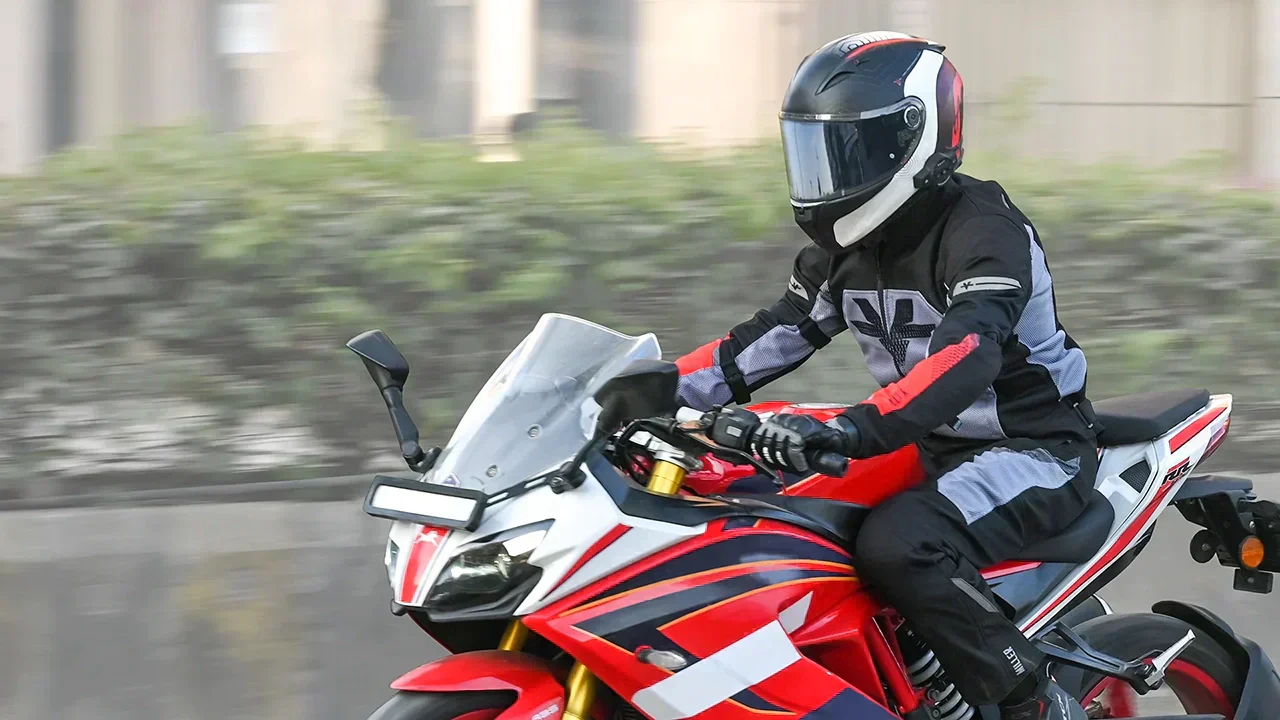
The first few months on a motorcycle can expose every weak habit faster than any classroom lesson ever will. That is why motorcycle safety tips matter most before confidence starts talking louder than skill. New riders in the USA often think danger comes from speed alone, but the bigger risk usually comes from bad spacing, poor scanning, weak gear choices, and assuming drivers have seen them. A bike gives you freedom, but it also removes the metal shell that forgives sloppy decisions in a car.
Good riding starts before the engine warms up. You need a calm mind, a checked bike, visible gear, and enough humility to treat every ride as practice. Many riders also build stronger habits by reading trusted road-safety resources, local DMV guidance, and practical rider education from places like responsible transportation coverage, especially when they want advice that fits American roads, traffic patterns, and daily commuting life. The goal is not to ride scared. The goal is to ride awake, prepared, and honest about how fast small mistakes can grow.
Motorcycle Safety Tips That Start Before You Ride
A safe ride begins long before you pull away from the curb. New riders often focus on what happens in traffic, yet many problems start in the driveway. A soft tire, loose mirror, foggy visor, or rushed mindset can turn a simple trip into a hard lesson.
Build a Pre-Ride Check You Will Actually Use
A pre-ride check should be short enough that you do it every time. Long checklists look good on paper, but a tired rider leaving work at 6 p.m. will ignore anything that feels like a full inspection. Your first job is to catch the obvious problems before they catch you.
Walk around the bike and look at tires, lights, brakes, mirrors, and fluid leaks. Press the brake levers. Test the horn. Check your turn signals. A motorcycle is too exposed for “probably fine” thinking, especially when you are still learning how the bike feels under you.
New rider safety improves when the check becomes a habit, not a performance. A rider in Phoenix heading out on hot pavement may notice low tire pressure before a freeway merge. A commuter in Ohio may catch a burned-out brake light before riding through evening traffic. Small checks stop big surprises.
Choose Gear for the Crash You Do Not Plan to Have
Protective motorcycle gear is not a fashion choice. It is your second skin when the first one meets asphalt. New riders sometimes buy the helmet first and treat the rest as optional, but hands, ankles, knees, and shoulders hit the ground too.
A DOT-compliant helmet, armored jacket, gloves, riding pants, and over-the-ankle boots create a basic safety layer. You do not need to look like a track racer to ride to the grocery store. You do need gear that stays in place when your body slides.
The counterintuitive part is that better gear can make you calmer. When you know your gloves grip well and your jacket fits right, your mind has fewer distractions. Protective motorcycle gear cannot make you invincible, but it can keep a bad day from becoming a life-changing one.
Learning Control Without Letting Confidence Get Ahead
Control is not about looking smooth at a stoplight. It is about making the bike respond the way you expect when the road gets messy. New riders need slow practice as much as open-road miles, because parking-lot skills often decide what happens in real traffic.
Practice Slow-Speed Balance Until It Feels Boring
Motorcycle riding basics begin at low speed. Turning from a stop, easing through a U-turn, feathering the clutch, and covering the rear brake feel awkward at first because the bike reacts to small inputs. That awkward stage matters. It teaches your hands and feet to talk to the machine without panic.
A quiet school parking lot can teach more than a random 40-mile ride. Set up simple paths with painted lines or empty spaces. Practice starting, stopping, turning, and looking where you want to go. Your goal is not speed. Your goal is repeatable control.
Many new riders skip this because slow practice bruises the ego. That is the mistake. Anyone can feel steady on a straight road with no pressure. The rider who can turn tightly, stop cleanly, and restart on a slight incline has a stronger base for traffic.
Learn Braking Before You Need It
Braking scares new riders because the front brake feels powerful and the rear brake feels safer than it is. The truth sits in the middle. You need both brakes, but you need to understand how weight shifts forward when you slow down.
Practice smooth braking in a clean, empty area. Start at low speeds and increase only when your stops stay controlled. Squeeze the front brake. Do not grab it. Press the rear brake without stomping. Feel how the bike settles when your eyes stay up and your arms stay loose.
Defensive riding habits depend on braking skill because space disappears fast. A pickup may stop short for a yellow light in Dallas. A delivery van may swing into your lane in Brooklyn. If your first hard stop happens during a scare, you are learning too late.
Defensive Riding Habits for American Roads
Traffic in the USA is not one single thing. A rider in Los Angeles deals with lane changes and packed freeways. A rider in rural Iowa deals with gravel, farm trucks, and long sightlines that can create false comfort. Defensive riding means reading the road you are actually on.
Ride Like Drivers Can Miss the Obvious
Drivers miss motorcycles because bikes take up less visual space. That does not mean every driver is careless. It means your safety plan cannot depend on being noticed. You should make yourself easier to see, then still assume someone may overlook you.
Lane position matters. Stay where you can see and be seen. Avoid sitting in blind spots. Use your headlight, signals, and brake light with purpose. When traffic slows, tap your brake lever lightly to wake up the light behind you.
Defensive riding habits also include reading wheels, not only turn signals. A car’s front wheel often tells the truth before the driver does. If the wheel starts turning at a side street, prepare for that car to enter your path even if the driver never looks your way.
Keep Escape Space Instead of Chasing Perfect Position
New riders often ask where the “right” lane position is. The better answer changes by the second. Your best position is the one that gives you sight, space, and an exit if something goes wrong.
Do not ride glued to the center of a lane because a diagram once showed it. Move within your lane to avoid oil, potholes, road seams, and blind spots. Stay away from boxed-in positions where a car sits beside you, another follows close behind, and traffic blocks your front.
A rider on I-95 outside Philadelphia may need to give up a perfect lane position to avoid a texting driver drifting nearby. That is not weakness. That is judgment. Motorcycle riding basics become real riding when you stop trying to look correct and start choosing the safest available space.
Building Long-Term Skill After the First Few Rides
The first month can trick you. Once you stop stalling and start shifting smoothly, riding feels easier than it is. That early comfort is useful, but it can also invite shortcuts. Long-term safety comes from treating skill like something you keep sharpening.
Take Training Seriously Even After You Get Licensed
A license means you met the minimum standard. It does not mean you are done learning. Many American riders benefit from a Motorcycle Safety Foundation course or a state-approved rider program because trained practice exposes habits you may not notice alone.
A coach can see your stiff arms, late head turn, weak braking setup, or rushed corner entry. Friends may not catch those things. Some may even teach bad habits with confidence. Training gives you clean feedback before the road gives you expensive feedback.
New rider safety grows faster when pride stays out of the way. The smartest riders ask questions early. They repeat drills. They accept correction. A weekend class can save months of guessing, and guessing is a poor teacher on two wheels.
Match Every Ride to Your Real Skill Level
A motorcycle does not care how excited you are. It responds to throttle, brake, lean, traction, and timing. Your skill level should decide your route, your pace, your passenger choices, and whether you ride in rain, wind, night traffic, or heavy freeway flow.
Start with familiar roads. Add complexity in layers. Ride during daylight before late-night traffic. Try quiet highways before packed interstates. Practice short trips before long rides that test your focus, back, wrists, and patience.
The unexpected truth is that cautious progression does not make riding dull. It makes riding last. A new rider who says no to a stormy group ride in Tennessee is not being timid. That rider is protecting tomorrow’s confidence from today’s pressure.
Conclusion
Motorcycling rewards patience more than bravado. The riders who last are rarely the loudest people at the gas station. They are the ones who check the bike, wear the gear, leave space, practice braking, and refuse to let other riders set their pace. That kind of discipline may look quiet from the outside, but it is what keeps freedom from turning reckless.
The best motorcycle safety tips are not tricks. They are habits that stay with you when traffic gets rude, weather shifts, or a driver makes a move that makes no sense. Build those habits before you need them, and your first year on two wheels can become a foundation instead of a warning story. Start with one honest step today: inspect your bike, plan a simple ride, and practice one skill until it feels natural. Ride like your future self is watching.
Frequently Asked Questions
What should every new motorcycle rider learn first?
Start with clutch control, smooth braking, head turns, and low-speed balance. These skills shape everything else you do on a bike. A rider who can start, stop, turn, and scan calmly has a safer foundation than someone who only feels confident at speed.
How often should beginners practice motorcycle riding basics?
Practice several short sessions each week instead of one long ride. Short practice keeps your mind fresh and helps your body build repeatable control. Even 20 minutes in an empty lot can improve balance, braking, and turning faster than casual road miles.
What protective motorcycle gear should a beginner buy first?
Buy a DOT-compliant helmet, armored jacket, gloves, riding pants, and over-the-ankle boots. Prioritize fit, comfort, and protection over looks. Gear that feels awkward may stay in the closet, and gear left at home protects nothing.
Are motorcycle safety courses worth it for new riders?
Yes, a certified course gives you structured practice and direct feedback. Many beginners do not notice stiff posture, poor braking habits, or weak corner setup until someone trained points it out. A course can also help with licensing in many states.
How can new riders stay visible in traffic?
Use smart lane positioning, working lights, clear signals, and bright or reflective gear. Avoid blind spots and never assume eye contact means a driver has understood your path. Visibility helps, but your real safety comes from planning for mistakes.
What is the safest speed for a beginner motorcycle rider?
The safest speed is the one that gives you time to see, decide, and respond. Beginners should avoid riding faster than their braking, cornering, and scanning skills can support. Posted limits matter, but road conditions and traffic behavior matter too.
Should new motorcycle riders avoid highways?
Beginners should wait until they can shift, brake, scan, and hold lane position without stress. Highways add speed, wind, merging traffic, and fewer escape options. Start with calmer roads, then build up to short highway rides during lighter traffic.
What common mistake causes beginner motorcycle crashes?
Many beginner crashes come from entering turns too fast, braking poorly, or assuming drivers will yield. Overconfidence usually arrives before skill catches up. Slowing down, looking through turns, and leaving escape space prevent many early riding mistakes.