
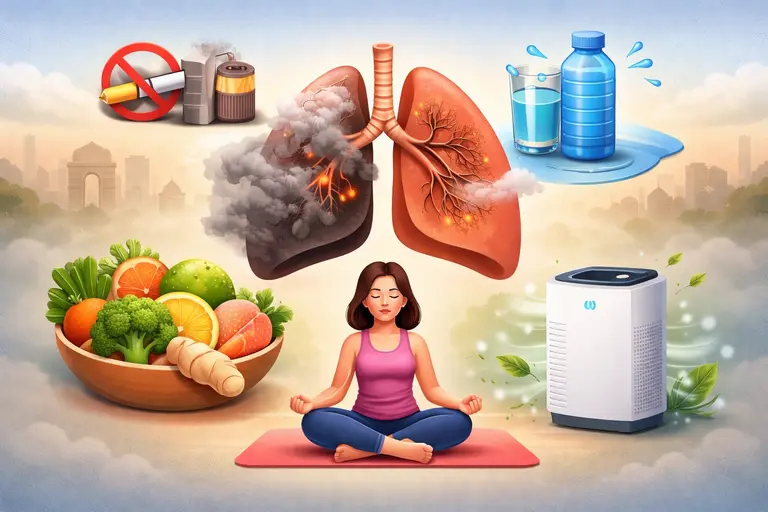
Most “detox” advice makes healthy living sound harder than it has to be. The smarter path starts with natural detox habits that support the systems your body already has, without crash cleanses, extreme fasting, or expensive powders sitting in your kitchen cabinet. Your liver, kidneys, lungs, skin, and gut already work every day, and the better move is to stop making their job harder. For many American households, that means better food, safer cleaning choices, more water, cleaner indoor air, and routines that do not collapse by Wednesday. A useful wellness plan should feel livable, not punishing, which is why resources like healthier lifestyle guidance can fit better than another dramatic reset. Medical sources also warn that detox diets and cleanses lack strong proof for removing toxins and may carry risks, especially when they restrict food or rely on supplements.
Cleaner Lifestyle Choices Start With What You Stop Bringing In
A cleaner life is not built by chasing a perfect routine. It begins when you reduce the daily load from food, products, habits, and indoor spaces that quietly wear you down. That sounds less exciting than a seven-day cleanse, but it works better because it meets real life where it happens: grocery aisles, office lunches, weekend takeout, laundry rooms, and late-night cravings.
Why Clean Eating Habits Beat Restrictive Cleanses
Clean eating habits work best when they add structure instead of fear. A plate with protein, fiber, healthy fats, and colorful produce gives your body steady fuel, while extreme juice plans often remove the same nutrients that keep you full and clear-headed. The body does not need panic. It needs support.
A practical U.S. example is the weekday lunch problem. A turkey sandwich on whole-grain bread, a side of berries, and water will do more for your afternoon than skipping food until dinner because you feel “toxic” after pizza night. That kind of overcorrection usually ends with vending machine snacks by 3 p.m.
The counterintuitive part is simple: eating enough can feel cleaner than eating less. When your meals are too small, cravings get louder, sleep gets worse, and your next food choice often becomes rushed. Clean eating habits are not about moral purity. They are about making the next good choice easier.
How Low Toxin Living Begins at Home
Low toxin living often starts under the sink, not in the supplement aisle. Many homes carry strong cleaners, air fresheners, scented sprays, and old products that get used without much thought. The CDC advises reading disinfectant labels, using recommended protection when needed, and keeping fresh air moving when cleaning indoors.
A useful rule is to clean more often and disinfect only when it makes sense. The CDC notes that soap and water are enough in many everyday situations, while disinfecting matters more when someone has been sick. That small shift can cut down on chemical exposure without lowering household hygiene.
Low toxin living also includes the boring stuff people skip. Open a window when weather allows. Store paint, pesticides, and solvents away from living areas. Stop mixing cleaning products. A cleaner home should smell like air, not like a chemical warning label dressed up as lemon breeze.
Natural Detox Habits That Support Your Body’s Built-In Systems
Your body already runs a full-time cleanup crew. The liver processes substances, the kidneys filter waste, the lungs exchange gases, and the gut moves material out. The goal is not to “flush” the body like a drain. The goal is to stop interrupting the work that is already happening. NCBI’s health information explains that the liver processes, changes, detoxifies, stores, or helps eliminate substances that arrive from digestion.
Better Hydration Habits Without Overthinking Water
Better hydration habits do not require carrying a gallon jug like a fitness prop. Most people need a simple pattern they can repeat. Drink water after waking, with meals, between coffee refills, and before long drives or workouts. That covers more ground than a complicated tracking app.
A common office habit in the U.S. is replacing thirst with caffeine. One coffee becomes three, then the afternoon headache gets blamed on stress. Water will not fix every energy dip, but dehydration can make ordinary fatigue feel heavier than it needs to feel.
Better hydration habits also include food. Soup, oranges, cucumbers, berries, oatmeal, and smoothies all bring fluid into the day. The surprise is that hydration feels easier when you stop treating it like a separate chore and let meals help carry part of the load.
Why Your Gut Routine Matters More Than a “Reset”
Your gut does not need a reset button as much as it needs a steady rhythm. Fiber from beans, oats, lentils, apples, vegetables, and whole grains helps move waste through the digestive tract. That is not glamorous, but it is one of the most grounded ways to support daily elimination.
A busy parent in Ohio or Texas may not have time for a perfect wellness plan, but adding black beans to taco night or oats to breakfast is realistic. Small food upgrades beat dramatic plans because they survive contact with real schedules.
The unexpected truth is that bathroom regularity is often built at the grocery store. When the cart is full of low-fiber convenience foods, your gut has less to work with. A cleaner routine starts before hunger hits.
Build Healthy Daily Routines Around Air, Sleep, and Movement
Healthy daily routines matter because your body responds to repetition. A good meal helps, but repeated sleep loss, stale indoor air, and long sitting can still drag you down. The quiet habits count. They may not look dramatic on social media, but they decide how you feel on an average Tuesday.
Cleaner Indoor Air Is a Daily Wellness Choice
Indoor air deserves more attention in American homes, especially during winter, wildfire smoke season, allergy season, and long stretches of air conditioning. Good ventilation can reduce indoor airborne exposure, and the CDC has highlighted ventilation as a protective practice in indoor spaces.
This does not mean every home needs expensive upgrades. Change HVAC filters on schedule. Use exhaust fans when cooking. Crack windows when outdoor air is safe. Keep dust from building up around vents and baseboards. A few small habits can make the room feel less stale.
Healthy daily routines also include noticing what worsens the air. Strong candles, plug-in fragrances, heavy cooking smoke, and harsh sprays can make a “clean” room harder to breathe in. Sometimes the cleanest choice is less scent, less smoke, and more fresh air.
Movement Helps the Body Do Its Ordinary Work
Movement is not punishment for eating. It helps circulation, digestion, mood, sleep, and blood sugar control. A 20-minute walk after dinner may not sound like a detox plan, but it supports the body in ways a harsh cleanse cannot.
A real-world example is the suburban after-dinner slump. Many people sit after work, sit during dinner, then sit for streaming. Walking the block, stretching on the living room floor, or doing light chores changes the signal your body receives.
The counterintuitive insight is that gentle movement often works better than occasional intensity. One brutal Saturday workout cannot undo six inactive days. Steady, moderate movement gives your body a rhythm it can trust.
Make Cleaner Choices Easy Enough to Repeat
A cleaner lifestyle fails when it depends on perfect motivation. You need systems that work when you are tired, busy, annoyed, or short on groceries. That is where habits become useful. They remove drama from decisions you make every day.
Set Up Your Kitchen for Clean Eating Habits
Your kitchen should make the better choice visible. Keep washed fruit at eye level, store nuts or yogurt where snacks are easy to grab, and place water where you usually reach for soda. People like to think willpower runs the kitchen. Layout often does.
Clean eating habits become easier when you plan for your weakest moments. Frozen vegetables, canned beans, eggs, rotisserie chicken, brown rice cups, and bagged salads can rescue dinner without turning the night into a nutrition lecture. Convenience is not the enemy. Poor convenience is.
A useful American grocery strategy is to buy two “backup meals” every week. That might be salmon burgers with salad or bean chili with whole-grain toast. When takeout temptation hits, you are not relying on discipline. You already have a decent answer.
Use Low Toxin Living as a Buying Filter
A buying filter saves mental energy. Before bringing something home, ask whether it adds value or adds clutter, fumes, waste, or stress. Low toxin living does not require fear of every label. It asks you to slow down before adding one more product to an already crowded home.
This applies to personal care too. Fragrance-heavy products, unnecessary sprays, and trendy wellness items can pile up fast. Choose fewer items that do their job well, and your bathroom becomes easier to clean, easier to manage, and easier to trust.
The deeper point is that cleaner choices compound. One safer cleaner, one less ultra-processed snack, one open window, one walk, one earlier bedtime. None of it feels dramatic alone. Together, it changes the baseline you live from.
Conclusion
Cleaner living should not feel like a punishment for being human. You are allowed to eat birthday cake, forget your water bottle, order fries, and still build a healthier pattern the next day. The real mistake is thinking wellness only counts when it looks extreme. Natural detox habits work best when they respect the body’s existing systems and reduce the daily noise around them. Skip the harsh cleanses, question the miracle products, and put your energy into food, water, air, sleep, movement, and fewer unnecessary chemicals. Those choices may look ordinary, but ordinary is where your health spends most of its time. Start with one repeatable change this week, then protect it until it becomes part of how you live.
Frequently Asked Questions
What are the best natural ways to support daily detox?
Eat fiber-rich foods, drink water consistently, sleep enough, move daily, and reduce unnecessary exposure to harsh chemicals. Your body already handles waste through the liver, kidneys, lungs, skin, and gut, so the goal is support, not force.
Do detox drinks actually remove toxins from the body?
Most detox drinks do not have strong evidence showing they remove toxins. Some may cause temporary water loss or digestive changes, which can feel like progress but may not reflect better health. A steady diet and routine work better.
How can I make my home cleaner without harsh chemicals?
Use soap and water for routine cleaning, ventilate rooms during product use, follow label directions, and avoid mixing cleaners. Choose simpler products where possible, and save disinfectants for situations where germs are a clear concern.
What foods help support the body’s natural cleansing process?
Beans, lentils, oats, berries, leafy greens, cruciferous vegetables, nuts, seeds, and whole grains all help. These foods provide fiber, minerals, and plant compounds that support digestion, fullness, and steady energy without extreme restriction.
How much water should I drink for a cleaner lifestyle?
Needs vary by body size, activity, climate, and health status. A practical starting point is drinking water with meals, after waking, during work, and after sweating. Pale yellow urine often suggests decent hydration for many healthy adults.
Are juice cleanses safe for weight loss or detox?
Juice cleanses can leave you low on protein, fat, and fiber. They may also affect blood sugar, hunger, and energy. Any short-term weight change often comes from calorie restriction, not true toxin removal or lasting fat loss.
Can better sleep improve natural detox support?
Sleep supports hormone balance, appetite control, brain recovery, and daily repair processes. Poor sleep can make cravings stronger and healthy choices harder. A steady bedtime may support wellness more than another expensive detox product.
What is the easiest first step toward cleaner lifestyle choices?
Start with the choice you repeat most often. For many people, that means drinking water before coffee, adding fiber to breakfast, walking after dinner, or switching to safer cleaning habits. Small repeatable actions beat dramatic plans that disappear fast.