
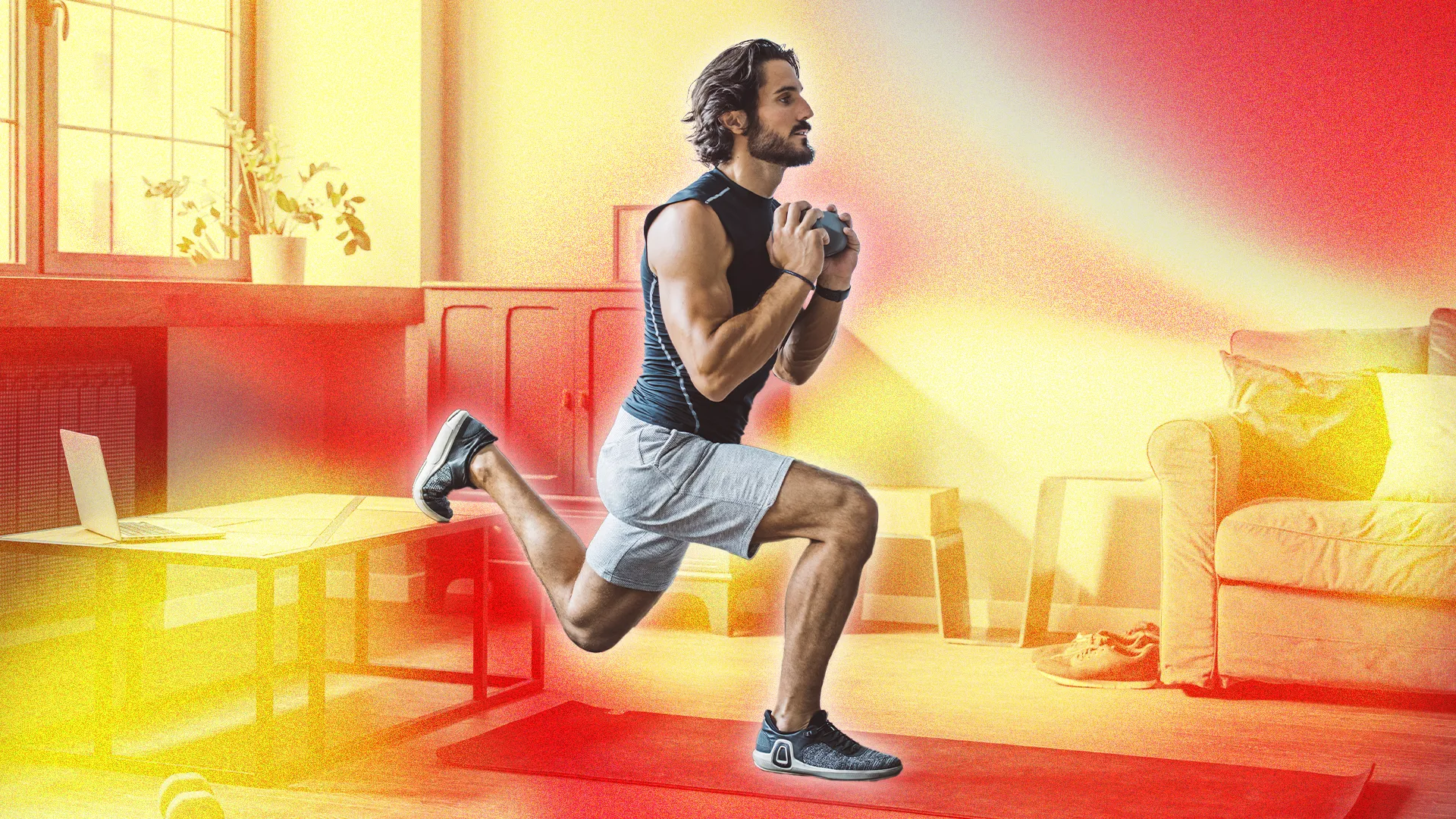
Fitness does not fall apart because people lack discipline. It usually falls apart because the plan asks too much from a normal Tuesday. Simple, repeatable home workouts give busy Americans a cleaner path because they remove the drive, the crowded gym floor, and the awkward gap between intention and action. A spare corner, a mat, and twenty focused minutes can do more than a perfect routine you never start. For readers building practical lifestyle routines, smart daily wellness habits can help turn exercise from a burst of motivation into something that fits real life. The key is not chasing pain or copying athletes online. The key is learning how to train with enough structure that your body has a reason to adapt, while keeping the routine simple enough that you can return to it tomorrow.
Why Simple Training Works Better Than Complicated Plans
Most people do not quit because the exercises are too easy. They quit because the routine becomes another job. A plan with fifteen moves, strict timing, and confusing equipment may look serious, but it often breaks the moment dinner runs late, a child needs help with homework, or a work call drags past 6 p.m.
The best routine is the one you can repeat
Consistency beats intensity for most beginners and returning exercisers. A ten-minute session done four times per week builds more momentum than one punishing hour followed by five days of soreness and guilt. Your body responds to repeated signals, not heroic efforts that appear once and disappear.
A simple routine also lowers the mental load. You do not need to decide between machines, search for a parking spot, or compare yourself with anyone. You start, move, finish, and move on with your day. That lack of drama matters more than people admit.
Small spaces can still build real strength
A living room workout does not need to feel like a watered-down gym session. Squats, push-ups, lunges, planks, glute bridges, and step-ups can challenge major muscle groups with no machines. The work becomes harder when you slow the tempo, increase range, or shorten rest.
A parent in Ohio doing bodyweight squats beside a couch is still training the same basic movement pattern as someone using a gym rack. The load is different, but the signal is real. Strength begins with control, and control can be trained almost anywhere.
Building Home Workouts Around Real Daily Life
A routine fails when it ignores the way people live. Most American adults are not looking for a second career in exercise. They want enough energy to handle work, stairs, errands, kids, sleep, and aging without feeling like their body is always behind the day.
Choose a time that already has a natural opening
Morning workouts sound clean on paper, but they do not work for everyone. Some people move better after lunch. Others need a short evening session to shake off desk stiffness. The best time is the one that already has fewer interruptions.
Try attaching exercise to an existing habit. Move after coffee, after the school drop-off, before a shower, or right after closing your laptop. This removes the need for a fresh decision each day. Decisions are expensive when you are tired.
Keep the first version almost too easy
The first goal is not to prove toughness. The first goal is to build trust with yourself. Start with fewer exercises than you think you need: squats, incline push-ups, glute bridges, and a plank hold can carry a beginner for weeks.
That may sound too modest, but it is often the smarter move. A routine that leaves you feeling capable invites you back. A routine that crushes you may win one day and lose the month.
How to Make Progress Without Expensive Equipment
Progress does not require a garage full of gear. It requires a clear way to make the work slightly harder over time. That can mean more reps, slower movement, better control, shorter rest, or a tougher variation.
Use your bodyweight with intent
Bodyweight training works when you stop rushing through it. A fast squat can become sloppy cardio. A slow squat with a controlled lower, steady pause, and firm stand-up becomes strength practice. The same rule applies to push-ups, lunges, and bridges.
For example, a beginner in Texas may start with incline push-ups on a kitchen counter. After two weeks, they move to a lower surface. Later, they try floor push-ups. Nothing fancy changed. The angle changed, and the body received a stronger challenge.
Track one number that matters
A notebook or phone note can keep progress honest. Write down the exercise, reps, sets, and how hard the session felt. You do not need a complicated fitness app unless you enjoy using one.
The counterintuitive part is that tracking can make you train less aggressively. When you see steady improvement, you stop chasing random exhaustion. You begin aiming for repeatable wins, and that is where long-term fitness progress starts to feel real.
Safe Movement Choices for Busy Adults
Exercise should challenge you, not punish your joints. Many people carry old knee pain, desk-related back tightness, weak hips, stiff shoulders, or low confidence after years away from training. A smart plan respects that without turning fear into a permanent limit.
Warm up with movements, not rituals
A warm-up does not need to be long. Marching in place, hip circles, arm swings, easy squats, and gentle hinges can prepare your body in five minutes. The goal is to raise body temperature and remind your joints what they are about to do.
Cold stretching before strength work is not magic. Many people feel better when they move first, then stretch later. Your body often needs motion before it gives you range.
Pick joint-friendly versions first
Incline push-ups can protect the wrists and shoulders better than forcing floor push-ups too soon. Box squats can help knees learn control before deeper squats. Dead bugs can train the core without yanking on the neck.
A desk worker in Chicago with tight hips may gain more from glute bridges and split-stance holds than from jumping exercises. The goal is not to avoid effort. The goal is to choose effort your body can recover from.
Turning Exercise Into a Habit That Lasts
The hardest part of fitness is not the workout. It is the return. Anyone can train when life is calm, sleep is good, and motivation is high. The real skill is knowing how to keep the habit alive when the week gets messy.
Build a short version for bad days
A backup routine protects the habit. On low-energy days, do one round of five squats, five incline push-ups, five glute bridges, and a twenty-second plank. That may not look impressive, but it keeps the identity alive.
Missed days become dangerous when they turn into a story. One skipped workout becomes “I always quit.” A short version interrupts that spiral. You are still the person who trains, even when the session is small.
Recover like it is part of the plan
Rest is not laziness. Muscles adapt between sessions, and joints need time to settle. Sleep, hydration, protein, and easy walking help your body use the work you already did.
Many people push harder when they should be recovering, then wonder why progress stalls. Training is the stimulus. Recovery is where the reward gets built. Ignoring that is like planting seeds and refusing to water them.
Frequently Asked Questions
How often should beginners do simple home workouts?
Three to four sessions per week works well for most beginners. Start with short routines, then add time or difficulty as your body adapts. Rest days help reduce soreness and keep motivation steady, especially when you are returning after a long break.
What are the best home exercises for full-body fitness?
Squats, push-ups, lunges, glute bridges, planks, step-ups, and dead bugs cover most major movement needs. These exercises train legs, core, chest, hips, and balance without machines. Start with easier versions, then increase control, reps, or range.
Can home workouts build muscle without weights?
Yes, especially for beginners and people returning to training. Bodyweight exercises can build muscle when the muscles work near fatigue with good form. Slower reps, pauses, single-leg moves, and harder angles can make simple exercises more demanding.
How long should a home workout last?
A useful session can last 15 to 30 minutes. Longer is not always better if the extra time leads to sloppy form or poor recovery. A focused short session often beats a long routine filled with distractions and rushed movement.
Should I do cardio or strength training at home?
Both help, but strength training should not be skipped. Strength supports joints, posture, metabolism, and daily tasks. Cardio improves heart and lung capacity. A balanced week can include bodyweight strength sessions, brisk walking, stair work, or low-impact intervals.
What equipment do I need for beginner home fitness?
You can start with no equipment. A mat, sturdy chair, and comfortable shoes are enough for many routines. Later, resistance bands or adjustable dumbbells can add variety, but buying gear before building consistency often becomes a distraction.
How do I stay motivated to exercise at home?
Make the routine easy to start. Keep your workout space ready, choose a consistent time, and track small wins. Motivation grows after action, not before it. A five-minute backup routine can keep the habit alive during busy weeks.
Are home workouts safe for older adults?
They can be safe when exercises match current ability. Chair squats, wall push-ups, heel raises, balance drills, and gentle core work are good starting points. Anyone with chest pain, dizziness, major joint pain, or medical concerns should speak with a qualified health professional first.