
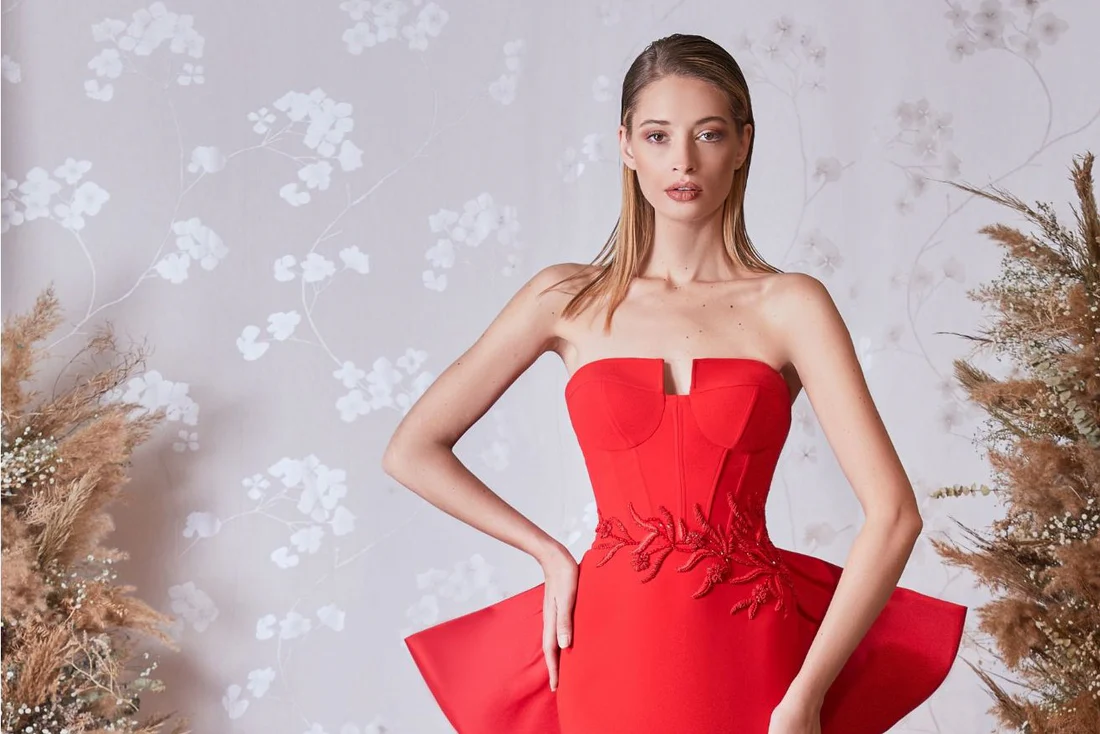
A great evening dress does more than look pretty under soft lighting. It changes how you carry yourself before you even reach the door. The best evening dress ideas start with the setting, the hour, and the version of yourself you want people to remember after the night ends. For women across the USA, that could mean a rooftop dinner in Chicago, a black-tie wedding in Atlanta, a charity gala in Dallas, or a holiday party in New York where every detail gets noticed.
Style works best when it feels chosen, not copied. That is why trusted lifestyle resources such as modern fashion inspiration matter when you want ideas that feel current without looking like every other outfit in the room. A dress should support the moment, but it should never swallow your personality.
Evening style has become less rigid in recent years, which is good news. You no longer need to follow one narrow rulebook to look refined. The real skill is reading the occasion, choosing fabric with intent, shaping the outfit around your body, and finishing it with details that feel calm, polished, and personal.
Choosing Dresses That Match the Mood of the Event
A dress can be beautiful and still wrong for the room. That is the part many people miss. Special occasion dresses should feel connected to the event’s tone, not louder than it or too quiet for it. The invitation gives clues, but the venue, season, and guest list often tell the fuller story.
Reading the Dress Code Without Overthinking It
A black-tie wedding at a historic hotel calls for a different kind of elegance than a cocktail dinner at a downtown restaurant. Floor-length gowns, satin columns, and structured silhouettes work well when the event feels formal. For cocktail settings, knee-length dresses, midi cuts, and polished wrap styles often feel more natural.
Dress codes can sound strict, but they usually leave room for taste. “Formal” does not always mean a heavy gown. A sleek black midi dress with sculptural earrings may look sharper than a sequined floor-length dress that feels borrowed from someone else’s closet.
American events often sit in that gray area between polished and relaxed. A country club fundraiser in Florida may welcome color and movement, while a winter gala in Boston may call for deeper tones and cleaner lines. The smartest choice is the one that respects the room without losing your own shape.
Matching Color to Setting, Season, and Light
Color behaves differently at night. A pale blush dress that looks soft in daylight can fade under dim ballroom lighting, while emerald, navy, wine, and espresso tones often gain depth after sunset. This is why formal evening outfits should be tested in lighting close to the event’s setting.
Season matters too. Spring evenings can handle soft blue, sage, champagne, or rose. Fall and winter events often welcome burgundy, forest green, charcoal, bronze, and deep plum. These shades feel rich without begging for attention.
A real-world example makes this easy. For a December company dinner in Seattle, a long-sleeve velvet midi dress in deep green can feel warm, modern, and appropriate. For an outdoor summer wedding in California, that same dress would feel heavy before the first toast.
Evening Dress Ideas That Flatter Without Feeling Forced
Clothing confidence rarely comes from chasing the newest shape. It comes from knowing what works on your body and letting the dress do its job quietly. The best evening dress ideas do not fight your frame. They balance it, soften it, or sharpen it where needed.
Picking Silhouettes That Support Your Natural Shape
An A-line dress works well for many body types because it gives the waist a clear place and lets the skirt move away from the hips. A sheath dress creates a cleaner line, which suits dinners, gallery events, and professional evening gatherings. A wrap dress adds movement and shape without feeling stiff.
Bodycon styles can look stunning, but they need the right fabric. Thin stretch fabric often reveals more than it supports. A thicker knit, lined crepe, or structured jersey gives a smoother effect and feels easier to wear through a long evening.
The counterintuitive truth is that a looser dress is not always more forgiving. Too much extra fabric can make the body look larger because the eye cannot find structure. A defined waist, shaped shoulder, or clean neckline often does more than hiding ever could.
Using Necklines and Sleeves to Create Balance
Necklines change the entire mood of a dress. A V-neck lengthens the upper body and works well with pendant earrings or a delicate chain. A square neckline feels modern and frames the collarbone cleanly. A high neckline can look regal, especially when the dress has strong shoulders or a sleek skirt.
Sleeves deserve more respect than they get. Long sleeves in mesh, lace, satin, or velvet can add drama without adding bulk. Flutter sleeves soften the shoulder line, while cap sleeves can feel neat but may not suit everyone.
For women who want coverage without losing style, special occasion dresses with sheer sleeves, draped shoulders, or one-shoulder cuts offer a strong middle ground. You can look refined without feeling wrapped up or restricted.
Fabric, Movement, and Fit Make the Dress Look Expensive
Price does not always decide whether a dress looks elevated. Fabric behavior does. A $90 dress that moves well can look richer than a $400 dress that wrinkles, pulls, or clings in the wrong place. Elegant dresses earn attention through texture, weight, and fit.
Choosing Fabrics That Photograph Well at Night
Satin photographs beautifully when it has enough weight. Cheap satin can crease fast and reflect light in harsh patches, so it needs careful selection. Crepe is often safer because it hangs smoothly and gives a clean finish without too much shine.
Velvet works best in cooler months and evening rooms with warm lighting. It has depth, which makes simple shapes look more expensive. Chiffon brings movement, though it needs lining and structure to avoid looking too casual.
Sequins can work, but restraint matters. A fully sequined dress at a New Year’s Eve event feels right. That same dress at a small anniversary dinner may feel like it walked into the wrong room first and asked questions later.
Tailoring Small Details Before the Event
Fit is where most evening outfits succeed or fail. A hem that hits the wrong place can ruin the line of the dress. Straps that slip all night make even a beautiful outfit feel annoying. A waist that gaps or pulls will show in every photo.
Small tailoring changes carry big visual weight. Hemming a midi dress to hit at the narrowest part of the calf can sharpen the whole look. Taking in the shoulder seam can make a budget dress look custom. Adding the right undergarments can change the dress more than a new accessory ever will.
A useful habit is to try the full outfit one week before the event. Sit down, walk, raise your arms, and check the dress in natural and indoor light. If you cannot move like a normal person, the dress is not ready yet.
Styling the Dress So the Whole Look Feels Finished
A dress may be the center, but it is not the whole outfit. Evening style tips matter because shoes, jewelry, hair, makeup, and outerwear can either support the dress or distract from it. The goal is not to add more. The goal is to make every detail agree.
Choosing Accessories That Add Polish, Not Noise
Jewelry should answer the dress, not compete with it. A strapless dress can handle statement earrings or a short necklace, but often not both. A high-neck dress usually looks cleaner with earrings and no necklace. A deep neckline may need one focused piece to avoid looking unfinished.
Bags should stay small for evening events. A clutch, mini top-handle bag, or sleek chain bag works better than a large everyday purse. Metallics, black satin, pearl finishes, and soft neutrals pair well with many formal evening outfits.
Shoes need beauty and survival built into the same choice. A stunning heel that hurts before dinner is not elegant. For long events, block heels, lower stilettos, slingbacks, or polished flats can look refined without turning the night into a test of pain tolerance.
Finishing Hair, Makeup, and Outerwear With Intention
Hair and makeup should match the dress’s energy. A dramatic gown may need softer makeup to avoid looking costume-like. A simple black dress can handle a bold lip, sleek bun, or smoky eye because the base is quiet.
Outerwear often gets ignored until the last minute. That is a mistake. A puffer coat thrown over a satin dress can flatten the entire look before you arrive. A wool coat, faux-fur wrap, tailored blazer, or cropped evening jacket keeps the outfit intact from car door to entrance.
For a winter wedding in Denver, a fitted navy gown with a cream wool coat and low metallic heels can feel graceful without looking overdone. For a spring gala in Washington, D.C., a blush crepe dress with pearl earrings and a soft updo gives polish without stiffness.
Conclusion
The best evening outfits are not built from panic shopping or last-minute trend chasing. They come from reading the room, respecting your body, and choosing details that make sense together. A dress should let you move, sit, laugh, and take photos without constant adjustment. That kind of comfort shows.
There is no single formula for getting it right, and that is the point. Your strongest look may be a satin midi dress, a velvet gown, a one-shoulder column, or a soft wrap style that makes you feel like yourself on your best day. Strong evening dress ideas give you options, but taste comes from editing those options with care.
Before your next event, start with the occasion, then choose the silhouette, fabric, and finishing details around that reality. Dress for the room, but leave enough of yourself in the outfit that no one could mistake it for anyone else’s. Choose the dress that lets you arrive calm, stand tall, and enjoy the night without fixing your outfit every five minutes.
Frequently Asked Questions
What dress style is best for a formal evening event?
A floor-length gown, structured midi dress, or sleek satin column usually works best for a formal evening event. Choose richer fabrics like crepe, velvet, satin, or chiffon, and keep the fit clean. The dress should look polished without making movement difficult.
How do I choose special occasion dresses for my body type?
Start with the part of your body you want to balance, not hide. A-line dresses shape the waist, wrap dresses add softness, and sheath dresses create a clean line. The best choice supports your frame while letting you move with ease.
What colors look most elegant for evening dresses?
Navy, black, emerald, burgundy, champagne, deep plum, and espresso often look elegant at night. These shades hold depth under indoor lighting and photograph well. Softer tones can work too, especially for spring or summer events with brighter settings.
Can I wear a short dress to a special evening occasion?
A short dress can work if the event is cocktail, semi-formal, or festive rather than black-tie. Choose refined fabric, a balanced neckline, and polished shoes. The shorter the hemline, the more controlled the rest of the outfit should feel.
What shoes should I wear with formal evening outfits?
Heels, slingbacks, dressy flats, and low block heels can all work with formal evening outfits. Match the shoe to the dress length and event setting. Comfort matters because awkward walking can weaken even the most polished look.
How can I make an affordable evening dress look expensive?
Focus on fit, fabric, and styling. Hem the dress if needed, steam it well, wear proper undergarments, and choose simple accessories. A clean neckline, smooth fabric, and polished shoes can make an affordable dress look far more refined.
Are sequins appropriate for special occasion dresses?
Sequins are appropriate when the event has a festive, glamorous, or celebratory tone. They work well for holiday parties, New Year’s Eve, galas, and evening receptions. For quieter events, choose subtle shimmer or limit sparkle to one part of the outfit.
What accessories go best with elegant dresses?
The best accessories depend on the neckline and fabric. Statement earrings suit strapless or high-neck dresses, while delicate necklaces work with V-necks. A small clutch, polished shoes, and one strong jewelry choice usually create the cleanest finish.