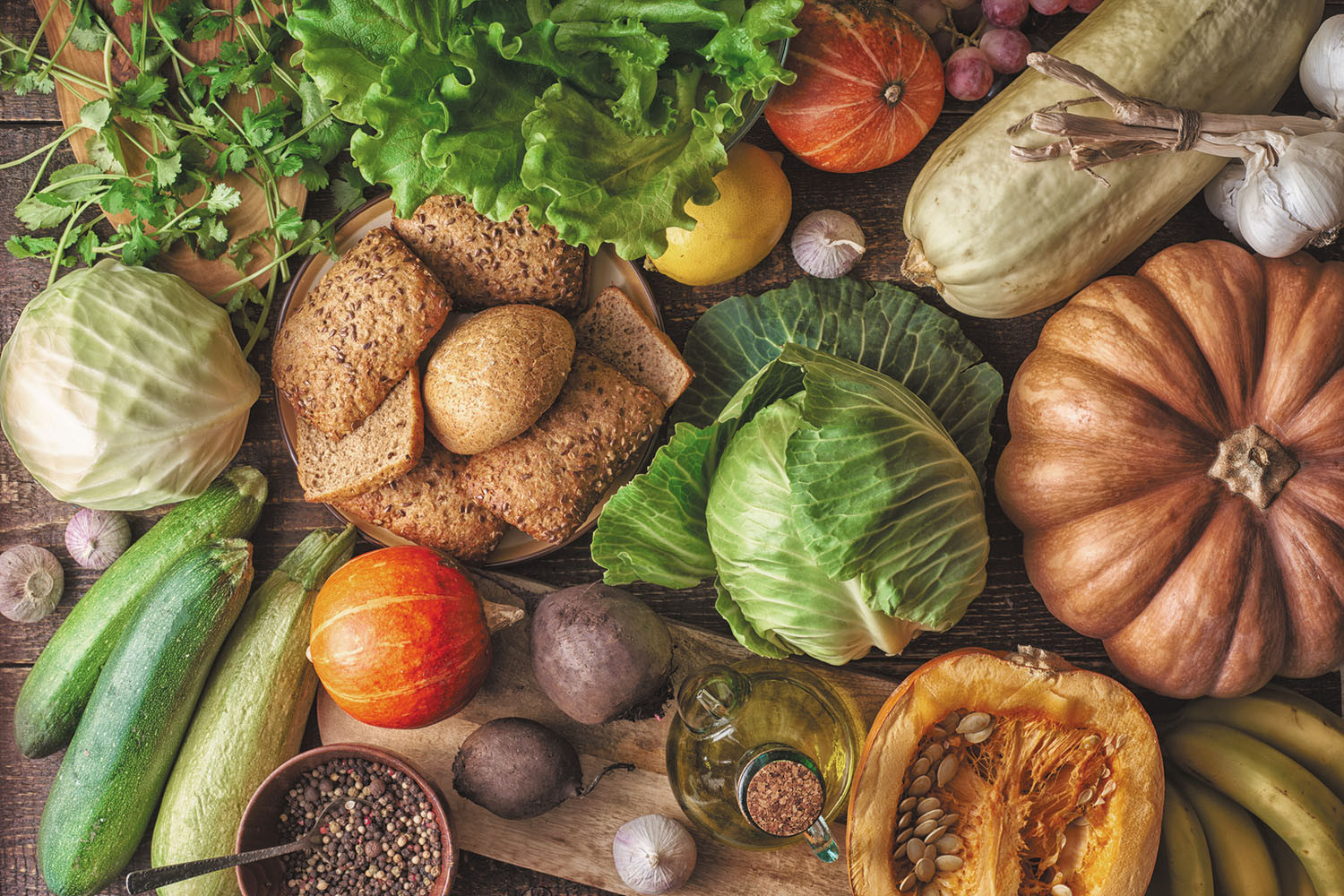
Most people do not have a digestion problem as much as they have a meal-planning problem. A plate can look healthy and still leave your gut doing overtime by midafternoon. High Fiber Meal choices change that because they bring structure, steadier energy, and better bathroom rhythm into the same daily routine. For many Americans, the hard part is not knowing fiber matters. The hard part is building meals that feel normal, filling, and easy enough to repeat on a Tuesday night.
That is where smart food planning pays off. A bowl of lentil soup, a turkey wrap with beans, or oatmeal with berries can do more for daily comfort than another random wellness rule. Good digestion is often built in boring places: the grocery list, the lunch container, the freezer shelf, and the half-used bag of oats in the pantry. If you like practical healthy living resources that fit real routines, fiber belongs near the top of the list.
Build Fiber Into Meals Without Making Food Feel Like Homework
Fiber works best when it becomes part of the meal, not a punishment added after the fact. Nobody wants to chew through a dry plate of bran and pretend it feels satisfying. The better move is to use foods Americans already know, then make small swaps that add bulk, texture, and staying power.
Start With Familiar Plates Before Chasing New Foods
A good fiber habit often begins with food you already eat. Chili becomes stronger when you add black beans, diced tomatoes, and corn. A breakfast sandwich gets better when the bread is whole grain and the side is fruit instead of chips. These changes do not ask you to become a different person by Monday morning.
This matters because people quit food plans that feel like a costume. A parent in Ohio packing lunch before work does not need a rare grain from a specialty store. They need healthy digestion meals that can survive a rushed morning, a long commute, and a microwave at noon.
A counterintuitive truth sits here: the most effective meal is often the least dramatic one. A bean-and-rice bowl with salsa, avocado, and grilled chicken may not look like a nutrition magazine cover, but it can keep you full for hours and help your gut move with less strain.
Use Fiber as the Anchor, Not the Side Note
Many meals start with protein, then treat vegetables or grains as decoration. That habit makes fiber easy to miss. Flip the order. Start with oats, beans, lentils, whole grains, potatoes with skin, vegetables, fruit, nuts, or seeds, then build the meal around them.
This does not mean protein disappears. It means the plate gets smarter. Salmon with roasted sweet potatoes and broccoli gives you comfort, protein, and fiber in one clear meal. Turkey tacos with pinto beans and shredded cabbage feel familiar, but they carry far more staying power than meat and cheese alone.
Fiber-rich foods also slow down the meal in a useful way. You chew longer. You feel full sooner. You stop hunting for snacks an hour later. That is not magic. It is food doing its job instead of leaving your body to solve the problem later.
High Fiber Meal Planning for Balanced Digestion
Meal planning should not feel like a spreadsheet with lettuce attached. It should feel like removing small decisions before hunger starts making bad ones for you. The easiest way to support Balanced Digestion is to prepare a few flexible bases that can turn into breakfast, lunch, or dinner without much thought.
Batch Cook the Foods That Carry the Most Weight
A pot of lentils, brown rice, or bean soup can save more than money. It saves the moment when you are tired, hungry, and ready to grab whatever takes the least effort. Cook once, then let the food work across several meals.
For example, Sunday lentils can become a lunch bowl with spinach and feta, a quick soup with carrots and broth, or a taco filling with cumin and salsa. That kind of reuse keeps meals from feeling repetitive while still giving your gut a steady fiber pattern.
Easy high fiber recipes often come from one good base and a few different finishes. Change the sauce, the herbs, the protein, or the crunchy topping, and the same cooked beans stop feeling like leftovers. This is how real people eat well without turning dinner into a second job.
Make Breakfast Do More Than Wake You Up
Breakfast can either set digestion up for the day or leave it catching up by lunch. Oatmeal with berries, chia seeds, and peanut butter is simple, but it brings soluble fiber, fat, and protein into one bowl. That combination is hard to beat for comfort and fullness.
A breakfast burrito can work too. Use a whole grain tortilla, scrambled eggs, black beans, peppers, onions, and salsa. It tastes like a normal American breakfast, not a diet plan wearing a disguise.
The unexpected part is that sweet breakfasts can be fiber friendly without becoming sugar-heavy. Greek yogurt with raspberries, walnuts, and a spoon of ground flax can feel like a treat while giving your gut something useful to process. The trick is pairing sweetness with structure.
Choose Ingredients That Help Your Gut Stay Calm
The gut does not respond well to sudden shocks. A person who eats little fiber all week and then eats a giant kale salad may feel worse, not better. The goal is steady support, not a one-day rescue mission. Food should help digestion feel predictable, not turn every meal into a gamble.
Pair Soluble and Insoluble Fiber With Care
Soluble fiber absorbs water and forms a softer texture in the gut. Oats, beans, apples, pears, barley, and chia seeds are common sources. Insoluble fiber adds bulk and helps movement. Whole wheat, vegetables, brown rice, nuts, seeds, and many fruit skins bring that kind of support.
A balanced plate often uses both. Think vegetable barley soup with beans, or a tuna salad sandwich on whole grain bread with an apple on the side. The mix matters because one type without the other may not feel as smooth for everyone.
Fiber-rich foods work better when water comes along for the ride. A high-fiber lunch with almost no fluids can leave you uncomfortable. A simple glass of water with meals is not glamorous, but digestion notices.
Respect Your Body’s Pace Instead of Forcing a Perfect Plate
Some people add fiber too fast and blame the food when the real issue is speed. Beans, cabbage, lentils, and bran can cause gas when your body has not had time to adjust. Start with small portions, then build.
A practical example: add half a cup of beans to chili this week instead of two full cans. Choose one high-fiber snack per day before rebuilding every meal. Your gut adapts better when you give it a fair chance.
Healthy digestion meals should feel comfortable after you eat them. If a meal leaves you bloated every time, adjust the portion, cooking method, or ingredient mix. Roasted vegetables may feel easier than raw ones. Lentil soup may sit better than a cold bean salad. The best plan listens.
Turn High Fiber Eating Into a Daily Routine That Lasts
A good meal idea only matters if it survives real life. Work runs late. Kids need rides. Grocery prices shift. Energy drops. The plan has to bend without breaking, or it becomes another health idea that sounded good for three days.
Keep Fast Fiber Options in Plain Sight
Convenience decides more meals than motivation does. Keep canned beans, frozen vegetables, whole grain bread, oats, brown rice packets, apples, popcorn, hummus, and nut butter where you can see them. Food hidden behind clutter rarely saves dinner.
A five-minute meal can still carry fiber. Try whole grain toast with hummus and sliced tomato. Make a microwave sweet potato with canned chili beans. Toss frozen vegetables into boxed soup and add a handful of cooked barley. None of this is fancy. That is the point.
Easy high fiber recipes become easier when the ingredients are already waiting. A busy nurse in Texas coming home after a long shift does not need a complicated meal. She needs food that can become dinner before takeout wins.
Build Snacks That Prevent the Evening Crash
Snacks are where many digestion plans quietly fall apart. Chips, candy, and pastries are easy, but they do not give your gut much to work with. Better snacks should still feel satisfying, or they will not last.
Try apple slices with peanut butter, popcorn with a boiled egg, cottage cheese with berries, carrots with hummus, or a small trail mix with nuts and dried fruit. These options give texture, flavor, and staying power without turning snack time into a lecture.
The quiet win is appetite control. When your afternoon snack has fiber and protein, dinner becomes calmer. You are less likely to arrive at the table starving, eat too fast, and wonder why your stomach feels tense afterward. High Fiber Meal habits are often built between meals, not only during them.
Conclusion
Better digestion rarely starts with a total food makeover. It starts with one plate that works, then another, then a grocery cart that slowly becomes less random. The goal is not to eat perfectly. The goal is to eat in a way your body can trust.
High Fiber Meal planning gives you a simple path because it connects comfort, fullness, and routine. Beans in soup, oats at breakfast, berries with yogurt, vegetables in pasta, and whole grains at dinner are not extreme choices. They are ordinary foods doing steady work.
The best part is how flexible this can be. You can eat American comfort food, family dinners, quick lunches, and simple snacks while still supporting your gut. Start with one meal you already repeat each week and add one strong fiber source to it. Then keep going until better digestion feels less like a goal and more like your normal rhythm.
Frequently Asked Questions
What are the best high fiber meals for better digestion?
Meals with beans, lentils, oats, vegetables, fruit, and whole grains tend to work well. A lentil soup, oatmeal bowl, bean chili, or brown rice bowl can support regular digestion while still feeling filling and familiar.
How much fiber should I add to meals each day?
Start slowly if your current intake is low. Add one fiber-rich food per day, such as beans at lunch or berries at breakfast, then increase over time. Sudden large jumps can cause gas, bloating, or stomach pressure.
Are beans good for balanced digestion?
Beans can be excellent for digestion because they bring fiber, plant protein, and steady fullness. Start with smaller portions if you are not used to them. Rinsing canned beans and cooking dried beans well can make them easier to tolerate.
What breakfast foods have the most fiber?
Oats, berries, chia seeds, ground flax, whole grain toast, apples, pears, and beans in breakfast burritos are strong choices. Pairing fiber with protein, such as eggs or Greek yogurt, helps the meal keep you full longer.
Can high fiber foods cause bloating?
They can if you add them too fast or eat large portions before your gut adjusts. Increase fiber slowly, drink enough water, and choose cooked vegetables when raw ones feel too harsh. Comfort matters as much as the fiber number.
What are easy high fiber lunch ideas for work?
Try bean chili, lentil soup, turkey and hummus wraps, brown rice bowls, chickpea salad, or whole grain pasta with vegetables. These meals pack well, reheat easily, and help you avoid the low-energy slump that comes from lighter, low-fiber lunches.
Which snacks help digestion during the day?
Apples with peanut butter, popcorn, carrots with hummus, berries with yogurt, nuts, pears, and whole grain crackers can help. A good snack should give your gut fiber while also keeping hunger steady until the next meal.
Do high fiber meals help with weight control?
They can help because fiber adds fullness and slows the pace of eating. Many people snack less when meals include beans, oats, vegetables, fruit, and whole grains. Weight control still depends on total habits, but fiber makes those habits easier to hold.