
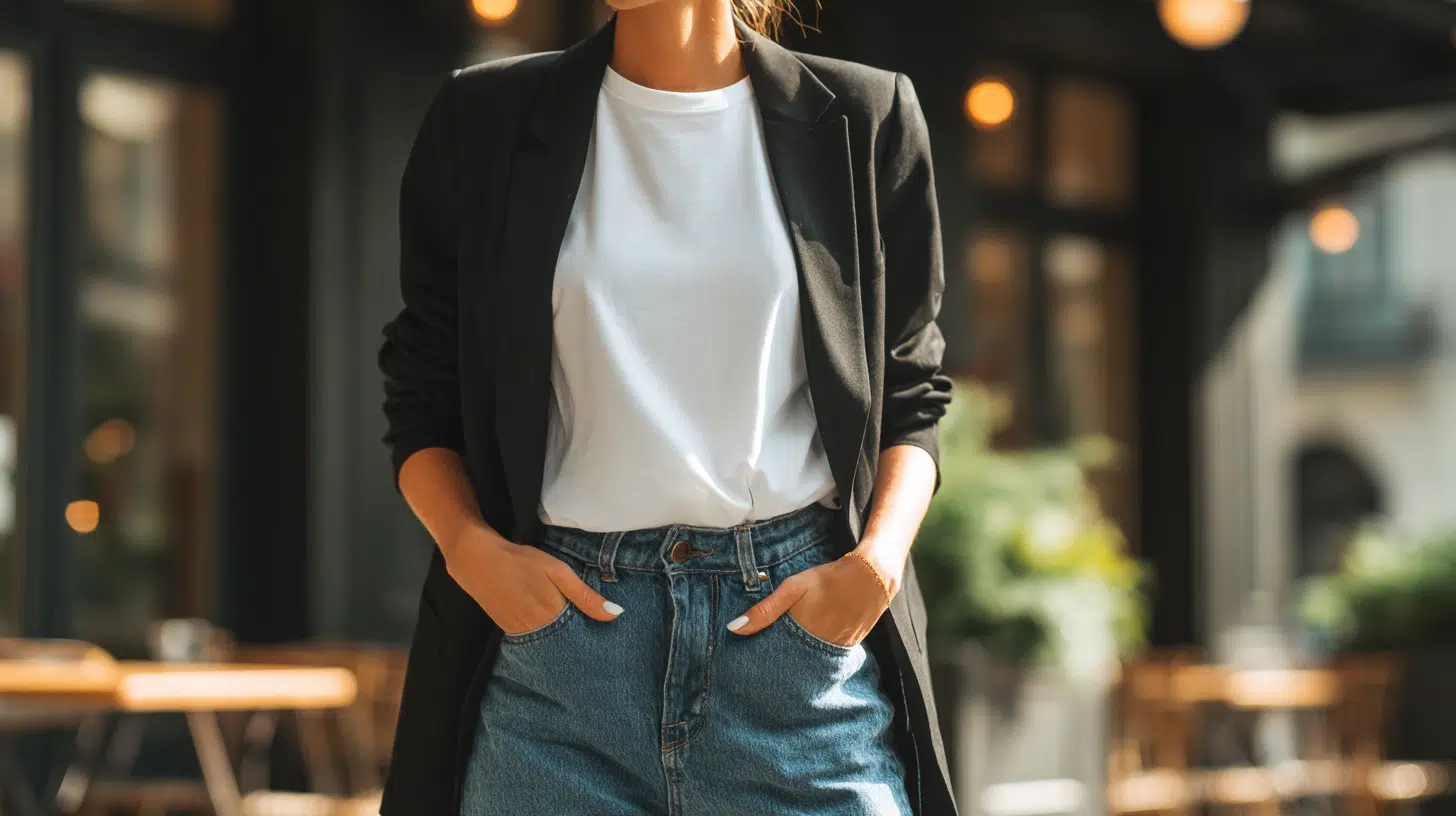
Most closets are not missing clothes; they are missing calm. The right pieces can make an ordinary Tuesday feel pulled together, and neutral outfits do that without shouting for attention. For women across the USA, from busy school drop-offs in Ohio to hybrid workdays in Dallas, soft colors, clean shapes, and smart layers offer a kind of ease that trend-heavy dressing rarely gives. A cream sweater, straight-leg denim, camel coat, and brown loafers can carry more authority than a closet full of impulse buys. That is why everyday neutral style keeps returning, season after season, even when louder colors crowd the racks. It gives you room to move, repeat, and still look intentional. If you follow fashion blogs, retail edits, or modern lifestyle publishing, you have probably noticed the same shift: people want clothing that feels wearable, polished, and honest. They are tired of outfits that only work for photos. Real elegance has to survive errands, meetings, coffee spills, weather swings, and long days.
Building Neutral Outfits Around Shape, Not Color Alone
Color gets most of the attention, but shape does the heavier work. A beige outfit can look flat if every piece hangs the same way, while a simple black-and-cream look can feel expensive when the proportions are sharp. The quiet trick is learning how each garment sits on your body before worrying about whether the shade is ivory, taupe, oatmeal, or stone.
Why proportion makes simple pieces look expensive
A fitted ribbed top with wide-leg trousers works because the eye sees balance. The top gives structure, while the trousers add movement. Reverse that with an oversized sweater and slim ankle pants, and the same principle still works. One piece leads, the other supports.
This matters most in everyday American dressing because life rarely gives you a perfect outfit setting. You may be standing under harsh office lighting, sitting in traffic, walking through Target, or grabbing lunch at a strip mall cafe. Strong proportion keeps the outfit readable in all those places.
A common mistake is buying every neutral piece oversized because it feels relaxed. Relaxed does not mean shapeless. A roomy blazer still needs shoulder placement. A loose cardigan still needs a hem that lands with purpose. Classic wardrobe staples earn their place when they give your body a clear outline instead of swallowing it.
How texture keeps quiet colors from looking dull
Texture is the difference between “plain” and “finished.” Cotton, denim, wool, suede, leather, rib knit, linen, and satin all speak differently, even when they share the same color family. A cream cotton tee with cream jeans may look unfinished, but add a nubby cardigan or suede belt and the outfit gains depth.
This is where beige outfit combinations can surprise you. Beige on beige sounds safe, but it becomes interesting when one piece is crisp, another soft, and another slightly rugged. Think of a sand-colored trench over a white tee, faded straight jeans, and tan leather flats. Nothing screams for attention, yet the full look feels considered.
Texture also helps when your budget is tight. A $30 ribbed knit can look richer beside clean denim and polished shoes than a pricey blouse worn with limp leggings. The eye reads contrast before it reads price tags. That small truth saves a lot of money.
Why Neutral Outfits Work for Real American Days
Neutral Outfits succeed because they remove morning friction. You are not trying to match a tricky print at 7:20 a.m. or wondering whether a bright blouse feels wrong for the meeting you forgot about. You can build from a calm base and adjust one piece for the mood, weather, or setting.
What makes a weekday neutral look feel intentional?
A weekday look needs one clear anchor. It might be a camel blazer, black trousers, a white button-down, dark denim, or a taupe knit dress. Once that anchor is chosen, the rest of the outfit should support it without competing.
For a casual office in Chicago, that could mean black straight-leg pants, a tucked ivory tee, a tan cardigan, and loafers. For a remote worker heading to a coffee shop in Phoenix, it could be linen-blend pants, a sleeveless knit, and flat sandals. The pieces are simple, but the outfit has direction.
Elegant casual outfits depend on restraint. That does not mean boring. It means each choice has a job. The shoe cleans up the denim. The belt breaks up the sweater. The coat adds line. The bag keeps the whole thing adult instead of accidental.
How to repeat pieces without looking repetitive
Repeating clothes is not a style failure. It is proof that your closet works. The problem begins when you repeat the same formula without changing the balance, texture, or accessory mood.
A cream sweater can go with black jeans and boots on Monday, satin midi skirt and flats on Thursday, then blue denim and a wool coat on Saturday. Same sweater. Different message. That is the power of everyday neutral style when it is built with flexibility rather than sameness.
Many women avoid repeats because social media made novelty feel like style. Real life says otherwise. The best-dressed person in the room is often the one who knows her pieces well enough to remix them without fuss. That confidence shows before the clothes do.
Choosing Pieces That Earn Their Space in Your Closet
A neutral closet should not become a museum of beige basics. Every item needs a reason to exist. The best pieces either solve a common dressing problem, sharpen several outfits, or make daily wear feel smoother. If a piece does none of those things, its color will not save it.
Which classic wardrobe staples deserve priority?
Start with the pieces that carry the most outfits: straight-leg jeans, tailored black pants, a white or ivory tee, a button-down shirt, a knit sweater, a blazer, loafers, clean sneakers, a trench or wool coat, and one simple dress. These classic wardrobe staples create the base that everything else can orbit.
Fit matters more than brand here. A $45 pair of black pants that skims your hips and falls cleanly over shoes beats an expensive pair that pulls at the pocket. The mirror does not care about the label. Neither does the person noticing that you look sharp.
American shoppers often get pushed toward constant seasonal buying, but the better move is slower. Buy one strong piece, wear it hard, then see what gap remains. A closet built this way starts to feel personal instead of copied from a store display.
Why shoes and bags change the whole tone
Shoes decide the attitude of a quiet outfit. The same taupe trousers and white shirt can feel corporate with pointed flats, relaxed with sneakers, polished with loafers, or dinner-ready with heeled sandals. Small shift. Big result.
Bags work the same way. A slouchy tote softens a blazer. A structured crossbody tightens up denim. A woven summer bag makes cream linen feel vacation-ready without turning the outfit into a costume. Accessories are not afterthoughts; they are steering wheels.
This is also where elegant casual outfits become practical. You do not need ten dramatic pieces. You need two or three reliable accessories that pull simple clothes into the right setting. A brown belt, clean leather bag, and low-profile shoe can rescue more outfits than another trendy top.
Styling Neutral Looks Across Seasons Without Losing Personality
Seasonal dressing can make neutral clothing feel either rich or lifeless. The difference comes from weight, fabric, and small signs of the season. A winter cream look needs density. A summer cream look needs air. The palette may stay quiet, but the feeling should change.
How do beige outfit combinations shift from warm to cool weather?
In cooler months, beige outfit combinations look best with weight: wool coats, ribbed knits, suede boots, heavier denim, and scarves with texture. A camel coat over an oatmeal sweater and dark jeans works because the darker base grounds the softness. Without that contrast, pale layers can wash out under gray winter light.
Warm weather asks for breath. Linen pants, cotton tanks, raffia bags, soft sandals, and open necklines keep neutrals from feeling heavy. A stone linen shirt over white shorts can look cleaner than a bright sundress, especially in coastal towns, patio lunches, or city weekends.
The counterintuitive part is that neutral dressing often needs one imperfect element. A rolled sleeve, broken-in leather sandal, slightly faded jean, or relaxed tuck keeps the look human. Too much polish can make soft colors feel stiff, like a showroom no one lives in.
How to add personality without adding loud color
Personality does not require neon. It can come from a signature shape, a favorite metal, a recurring shoe style, or a contrast you love. Maybe you always wear wide-leg pants. Maybe you prefer gold hoops. Maybe your version of polish includes sneakers instead of ballet flats.
This matters because neutral dressing can drift into imitation if you follow every clean-girl mood board too closely. The goal is not to look like a beige Pinterest board. The goal is to look like yourself on a calm, well-edited day.
A woman in New York may style a black turtleneck, gray coat, and cream trousers with sharp boots. Someone in Southern California may choose an ivory tank, taupe drawstring pants, and flat sandals. Both can feel refined. The shared thread is control, not sameness.
Clothing should lower the noise around your day, not erase your presence. Neutral outfits give you that space when you choose shape, texture, and purpose before chasing another trend. Start with one reliable base, adjust the proportions, and let your daily life tell you what is missing next. Your closet does not need to become minimal overnight, and it does not need to copy anyone else’s rules. It needs to help you get dressed with less doubt and more direction. That is the real gift of a neutral wardrobe: it turns ordinary pieces into a steady personal language. Choose one outfit this week that feels calm, useful, and unmistakably yours, then build from there with care.
Frequently Asked Questions
What are the best neutral colors for everyday outfits?
Cream, white, black, gray, camel, taupe, navy, olive, and chocolate brown are the easiest neutral colors to wear daily. They pair well with each other, work across seasons, and fit casual, office, weekend, and travel settings without much effort.
How can I make a neutral outfit look less boring?
Mix texture, shape, and accessories instead of adding loud color. Try denim with knitwear, linen with leather, or wool with satin. A belt, structured bag, clean shoe, or strong coat can make a simple outfit feel styled.
Are neutral clothes good for a capsule wardrobe?
Neutral clothes work well for capsule wardrobes because they mix easily and reduce outfit stress. A small group of pants, tops, layers, shoes, and outerwear in calm colors can create many outfits without feeling crowded or random.
What shoes look best with classic neutral outfits?
Loafers, white sneakers, ankle boots, ballet flats, pointed flats, and simple sandals all work well. The right choice depends on the setting. Sneakers feel relaxed, loafers feel polished, boots add weight, and sandals keep warm-weather outfits light.
Can I wear all beige without looking washed out?
Yes, but you need contrast through texture, tone, or structure. Pair light beige with camel, tan, ivory, or brown instead of matching every piece exactly. Add leather, denim, ribbed knit, or suede so the outfit has depth.
How do I style neutral clothes for work?
Choose structured pieces first, such as tailored pants, blazers, button-down shirts, knit tops, and closed-toe shoes. Keep the palette calm, then add one polished detail like a belt, watch, or leather bag to make the outfit feel office-ready.
What accessories go well with neutral outfits?
Gold or silver jewelry, leather belts, structured bags, silk scarves, sunglasses, and simple watches all pair well. Choose accessories that match the mood of the outfit instead of overloading it. One strong detail often works better than several small ones.
How many neutral basics should I own?
Start with ten to fifteen strong pieces you can wear often. Focus on fit, comfort, and repeat value before buying more. A smaller closet with useful pieces will serve you better than a crowded one filled with almost-right items.